
Polyethylene Melt Flow Rate Test Load Standards Overview
Polyethylene melt flow testing requires 190 °C with load selection matched to resin flow: 2.16 kg for standard grades and 21.6 kg for high-density resins.
Polyethylene melt flow testing requires 190 °C with load selection matched to resin flow: 2.16 kg for standard grades and 21.6 kg for high-density resins.

Uncontrolled transesterification and end-group drift in PHA extrusion alloys lower melt viscosity and alter phase morphology, requiring carboxyl capping.
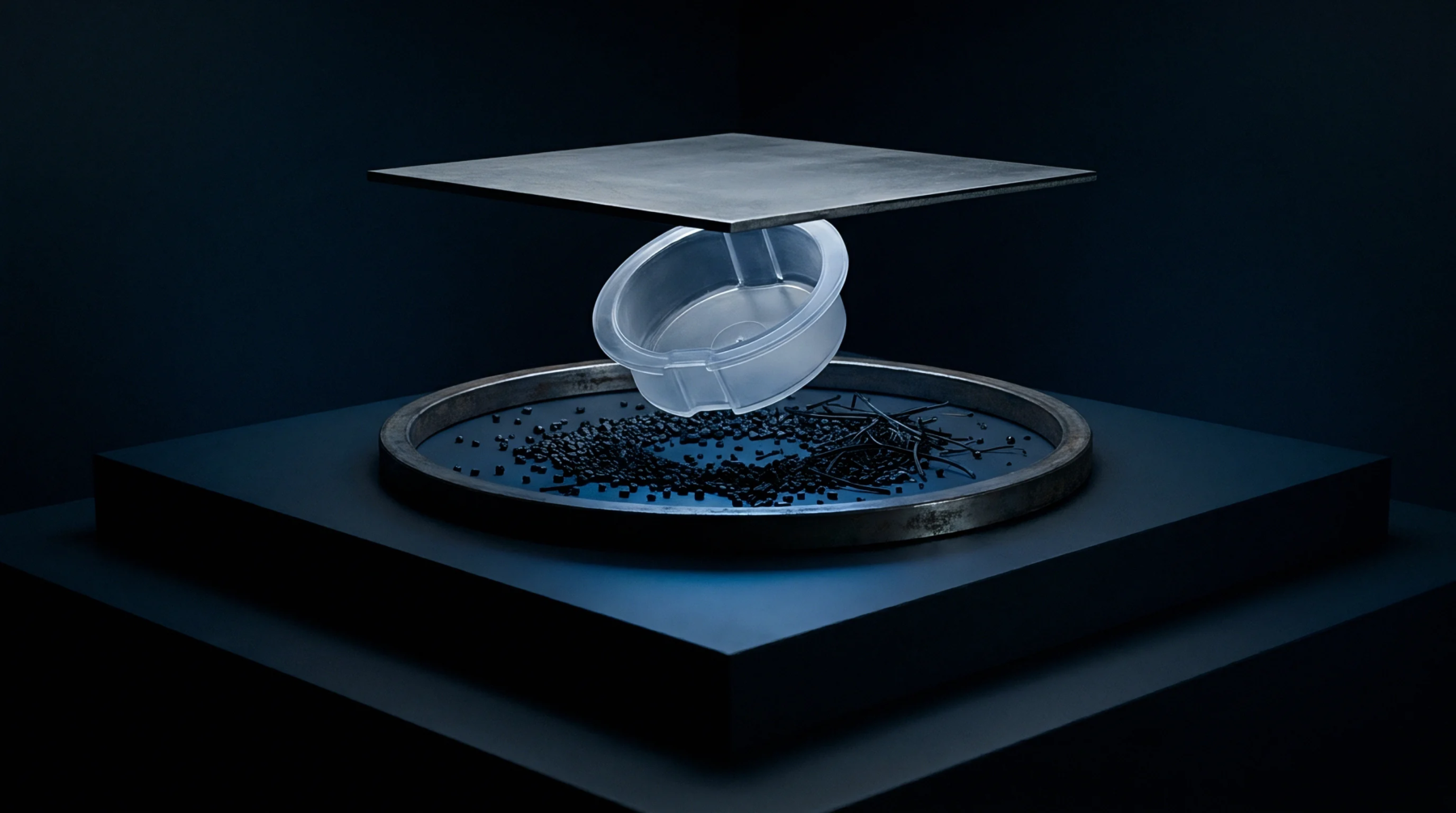
Residual moisture above 50 ppm hydrolyzes rPET melt within seconds, dropping intrinsic viscosity and causing brittle part failure that exceeds drying power costs.

Hydrolytic degradation thresholds require drying virgin polyesters below 0.02 percent and polyamides below 0.10 percent water before melt processing.
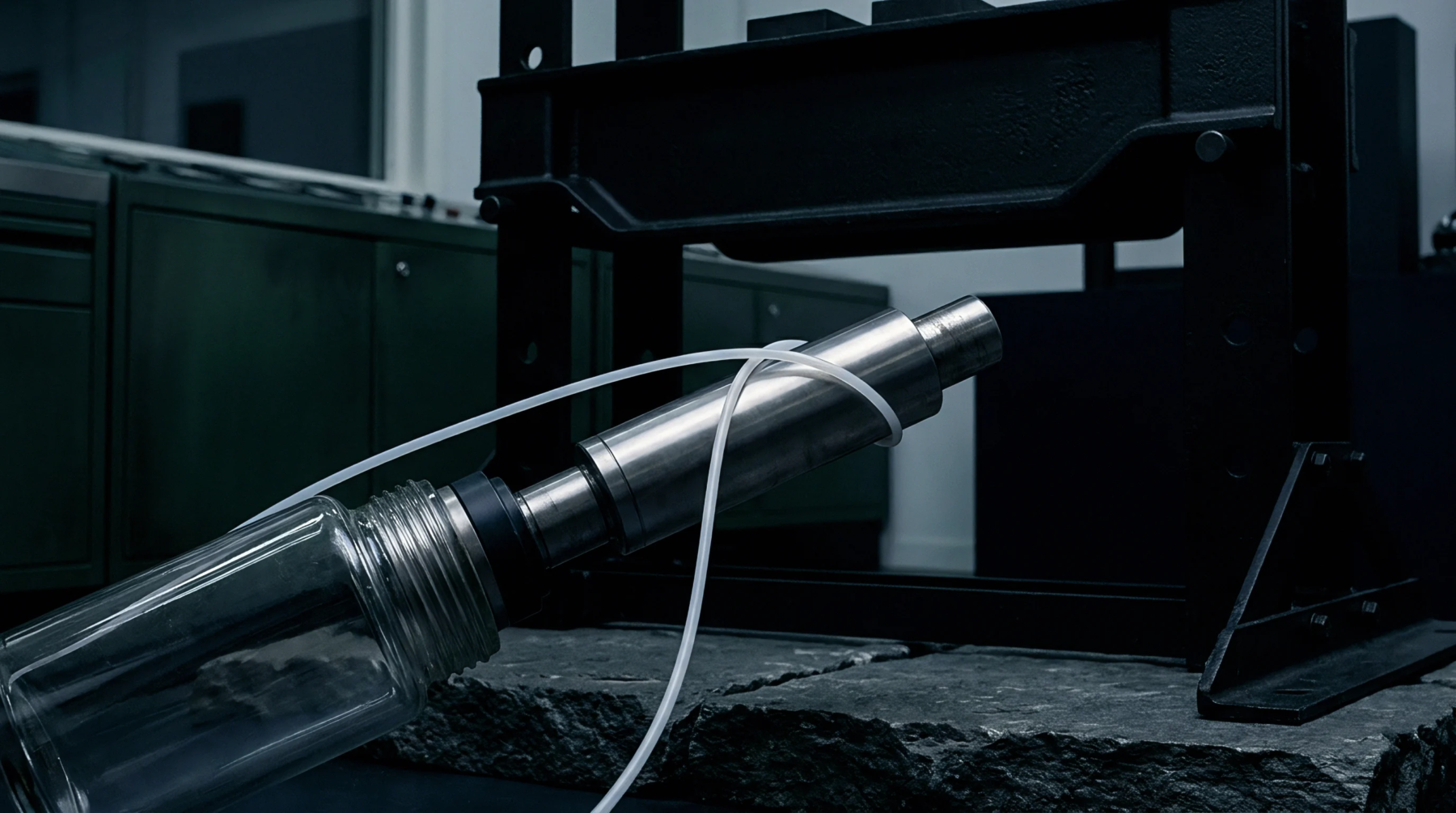
Specifying exact standard test loads and flow rate ratios in polyethylene procurement contracts prevents costly processing failures and off-spec resin disputes.
Expertise is a utility, not a secret. sentiention™ publishes its working knowledge as open reference: intelligence layer covering the materials it sources, the markets it enters, and the reference that serves both.