
Heterophasic Rubber Morphology Control for Subzero Polypropylene Logistics Crate Manufacturing
Controlling ethylene-propylene rubber dispersion below one micron preserves crate drop impact at minus thirty while retaining stack rigidity.

Resin choice fixes cost, compliance route and end-of-life in one move. PE, PP, PET, PVC or bio-based, and the grade that actually ships differs by factory, not by datasheet. Source the polymer, not the promise.
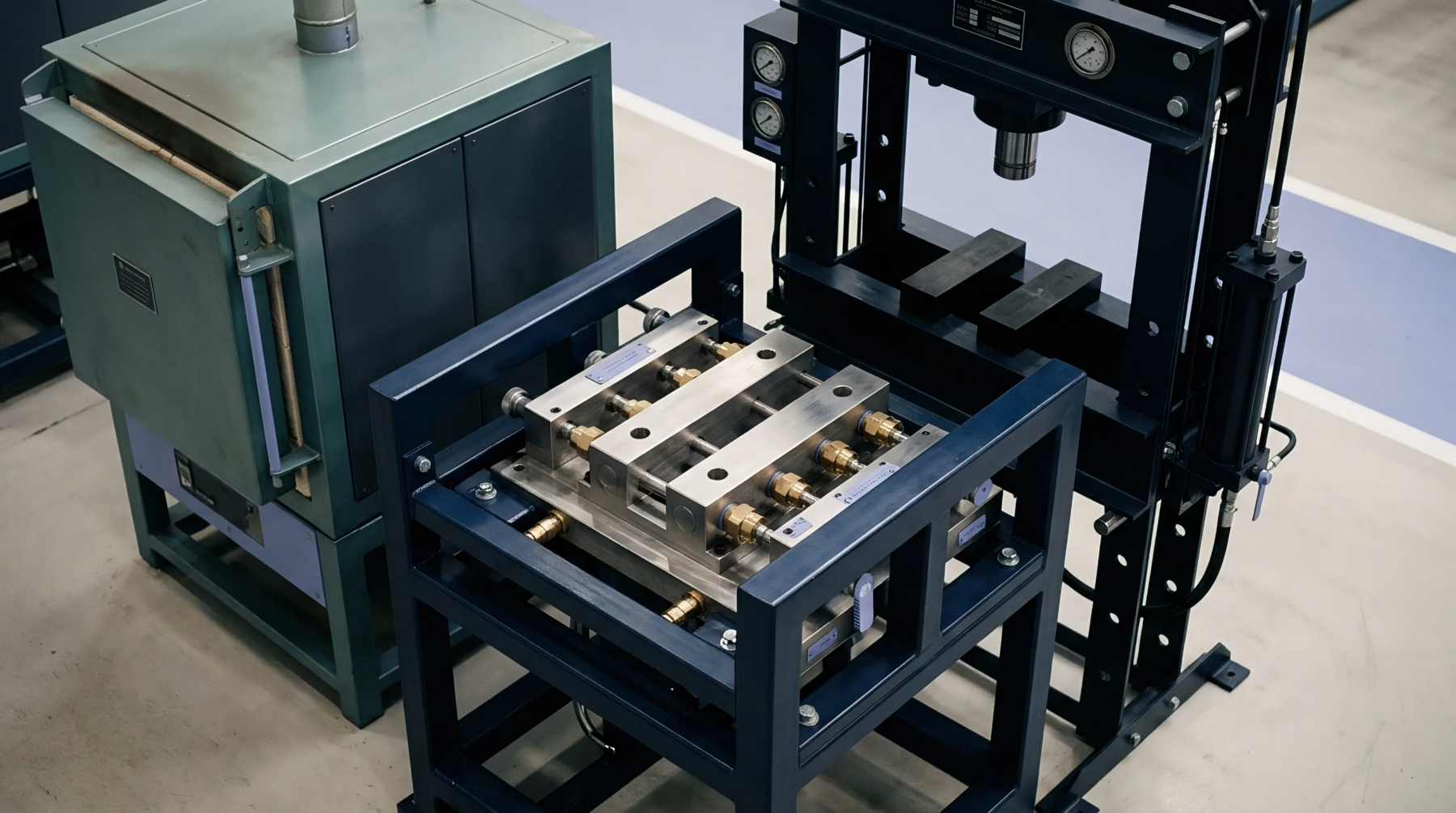
Controlling ethylene-propylene rubber dispersion below one micron preserves crate drop impact at minus thirty while retaining stack rigidity.
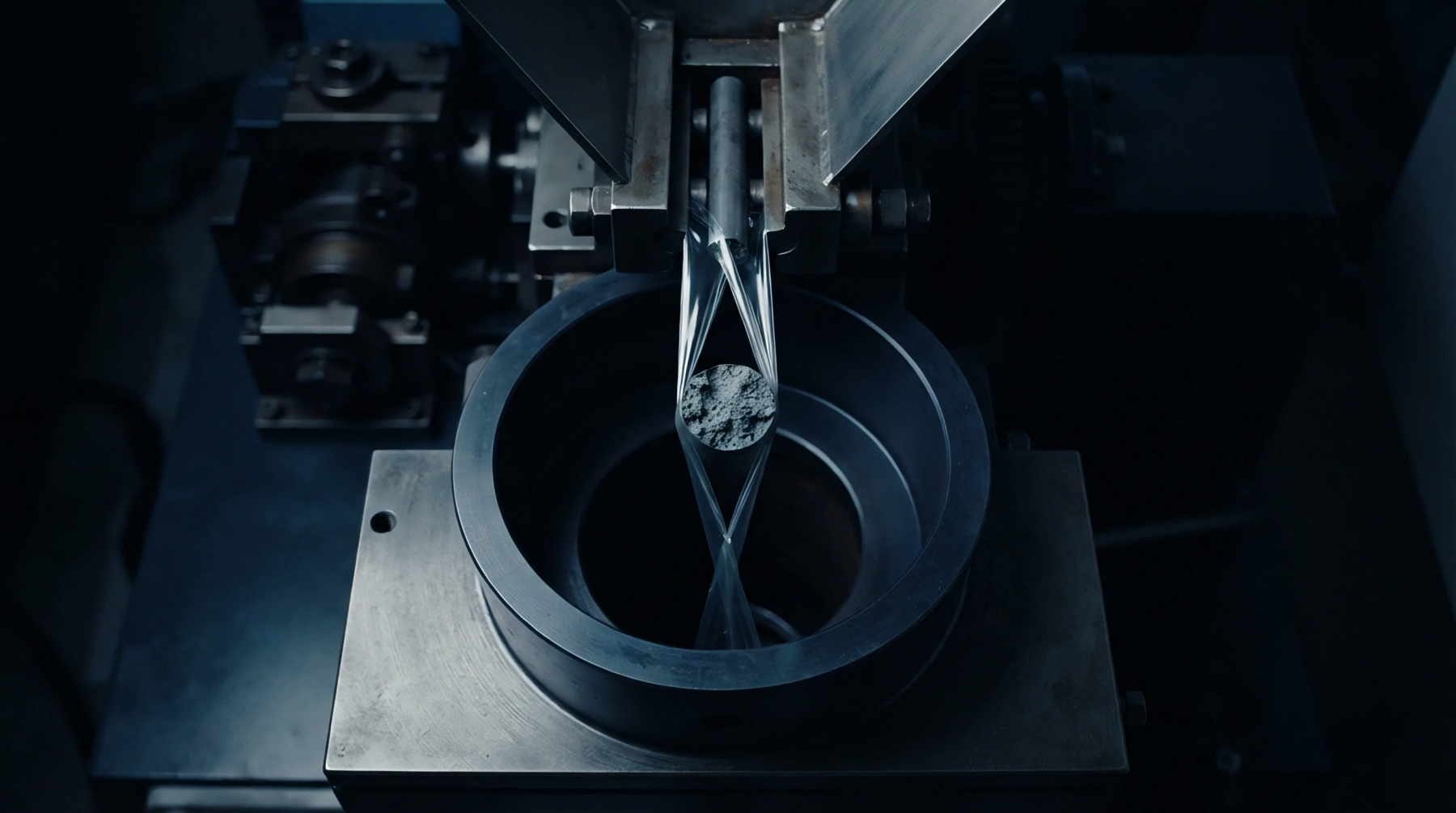
Subzero impact resistance requires low glass transition rubber domains dispersed under 0.5 microns to trigger matrix shear yielding under high strain rates.

Chromatographic screening couples cryogenic extraction, orthogonal GC and LC separation, and high-resolution MS to quantify NIAS against toxicological limits.

Multiple headspace extraction eliminates recycled polymer matrix bias by mathematically extrapolating total volatile mass from linear logarithmic depletion decay.
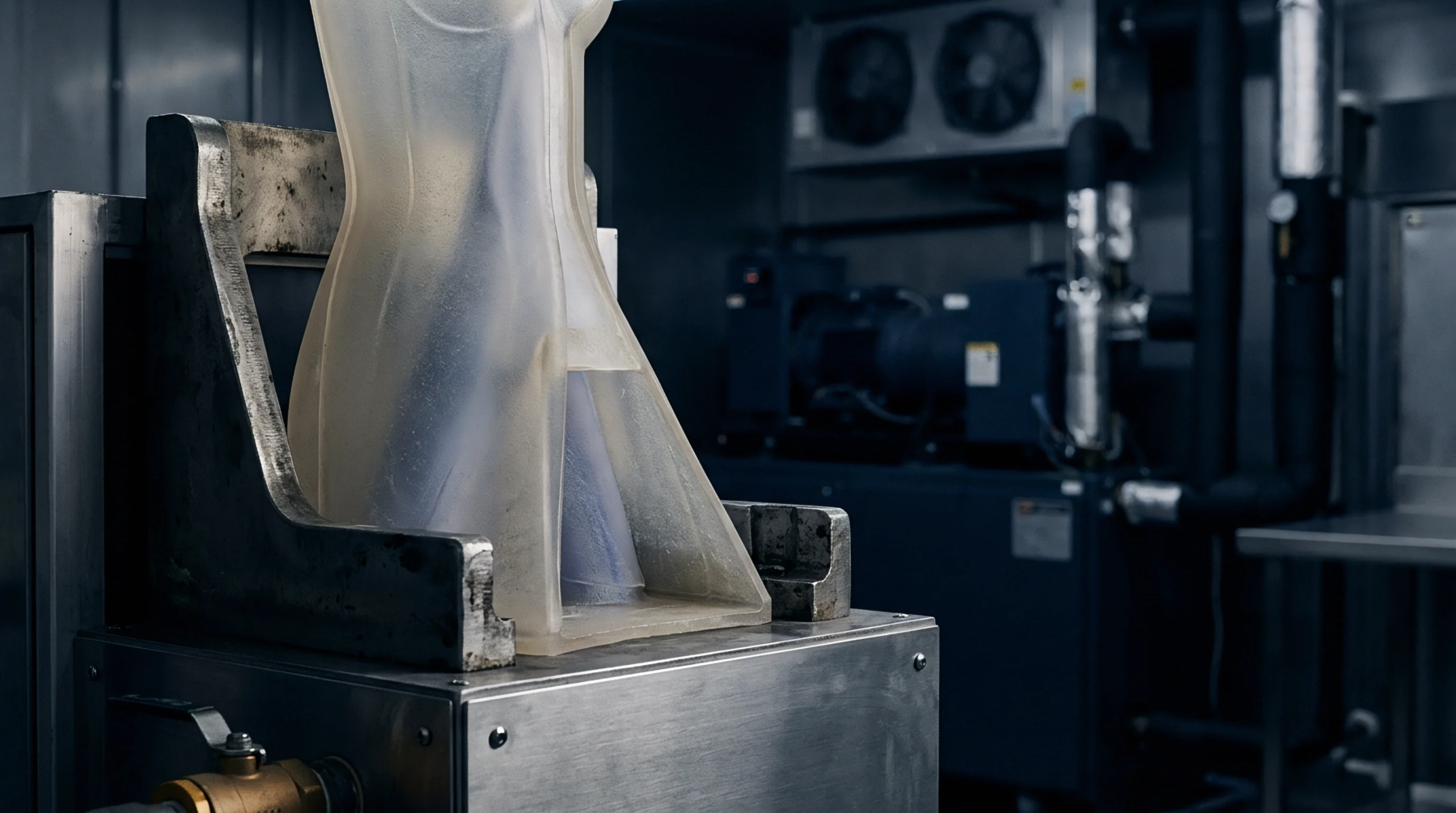
Equilibrating recycled polyolefin pellets at 120 C for 45 minutes isolates volatile organic compounds while avoiding polymer matrix thermal degradation.

Polyolefin recyclates require extensional viscosity verification to prevent gate blush and severe entrance pressure drop during high-speed cavity filling.
Injection, extrusion, thermoforming, blow, film. The process dictates tooling cost, MOQ and tolerance, so a part drawn for the wrong process becomes a quote that never lands. Match geometry to method early.


Decoupled cavity pressure control decouples melt rheology from machine mechanics, fixing peak pressure to guarantee tight dimensional stability.

Cavity sensor integration requires rigid pocket machining, protected wire routing, and direct melt placement to decouple press dynamics from part tolerance.
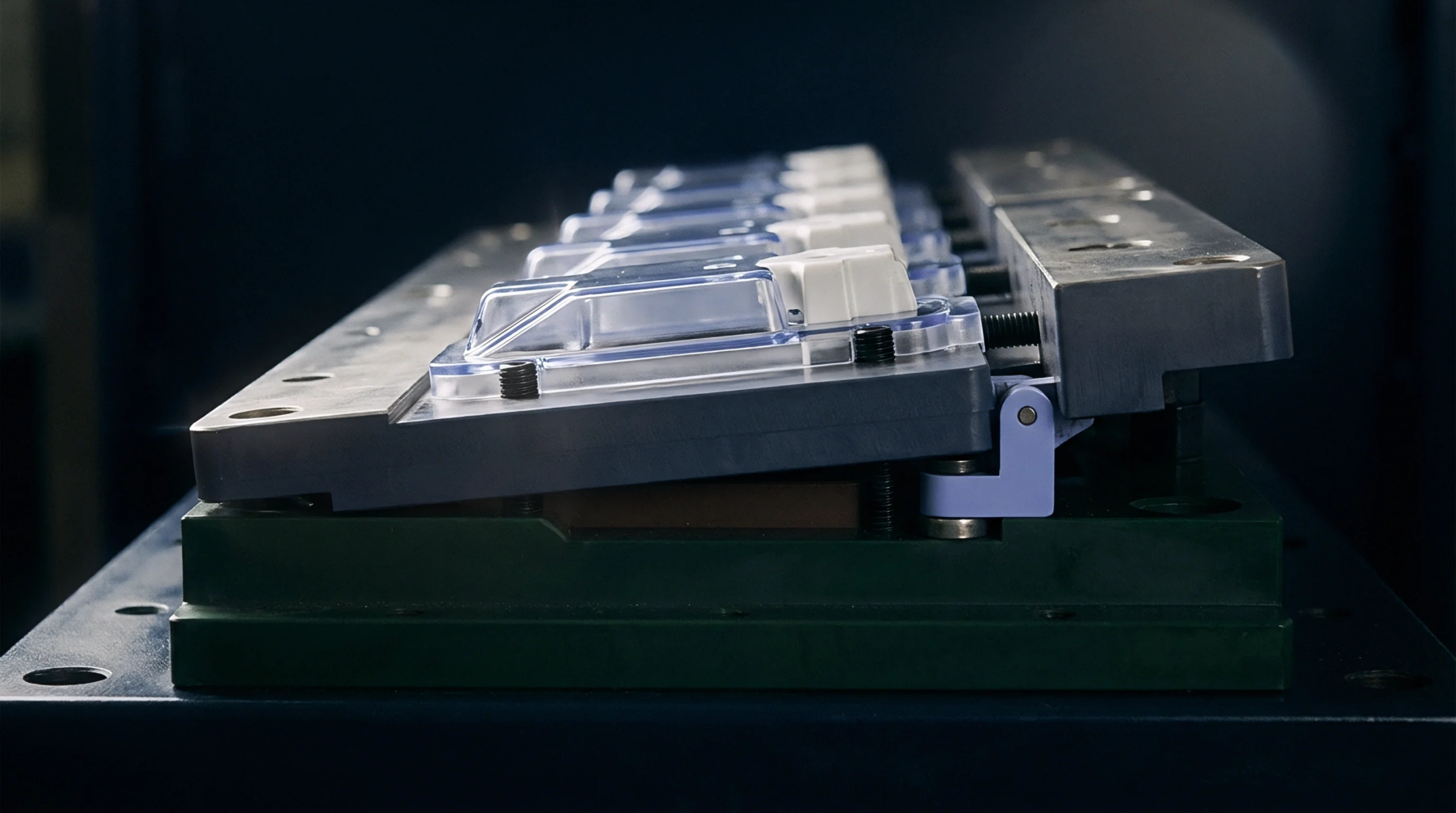
Predicting parting line wear and deflection requires balancing support pillar layouts, steel hardness, and thermal expansion gaps against resin flash limits.

Prevent parting line flash by engineering shut-off lands to maintain compressive stress below 70 percent of steel yield strength under full clamp force.

Calculated thermal expansion along tool plates dictates guide pin clearances and shut-height clamp adjustments required to prevent parting line damage.

Predictive cavity pressure decay modeling optimizes packing profiles and tool dimensions for glass filled polyamides to eliminate sink marks and tight tolerances.
Plastic compliance is measured, not declared. Food-contact migration, REACH, PPWR: the test report belongs to the batch, never to the brochure. Treat regulation as a sourcing input.
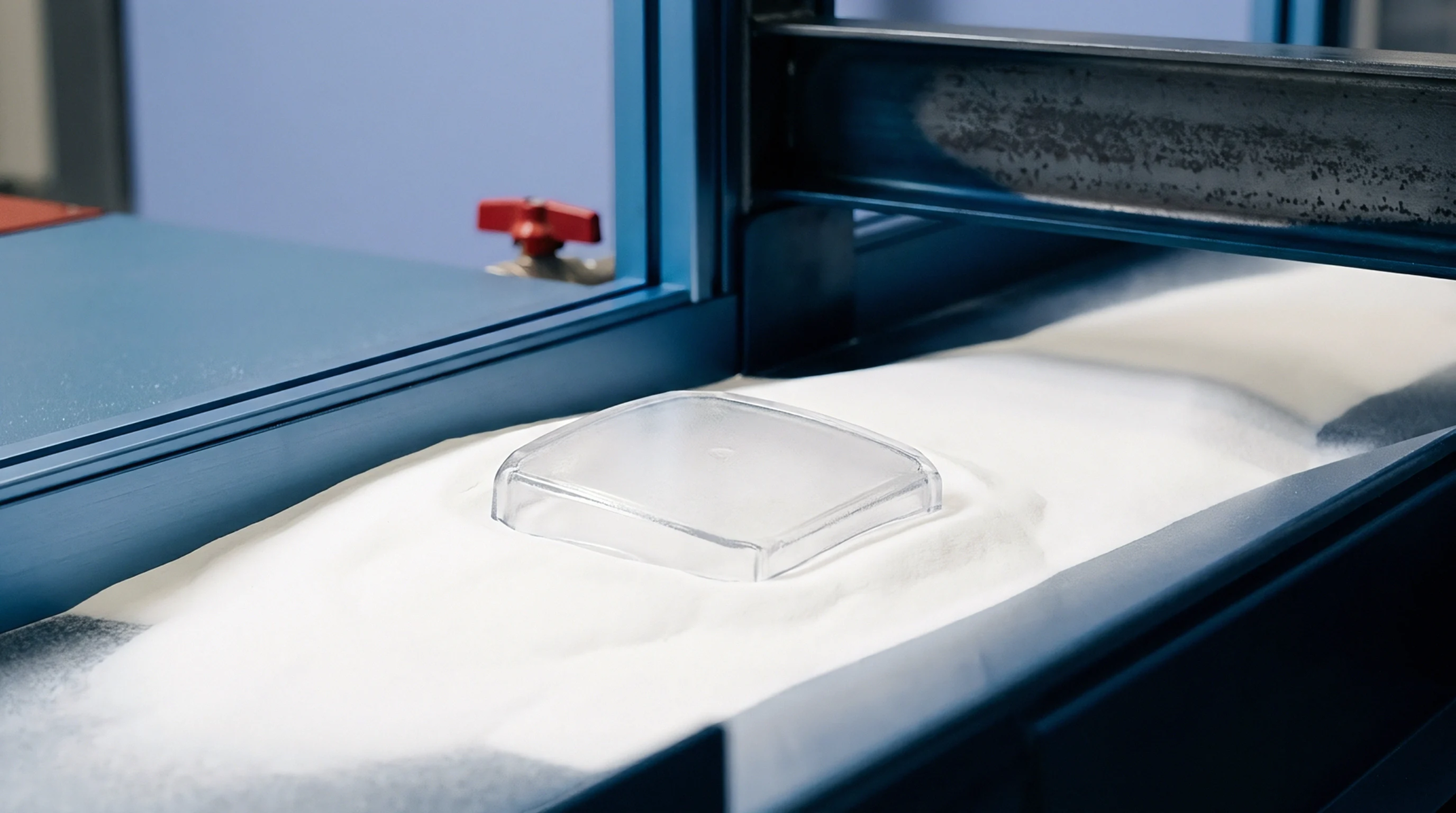

Non-target mass spectrometry screening with ten-ppb threshold evaluation prevents non-compliant recycled polyolefin food packaging entering supply chains.
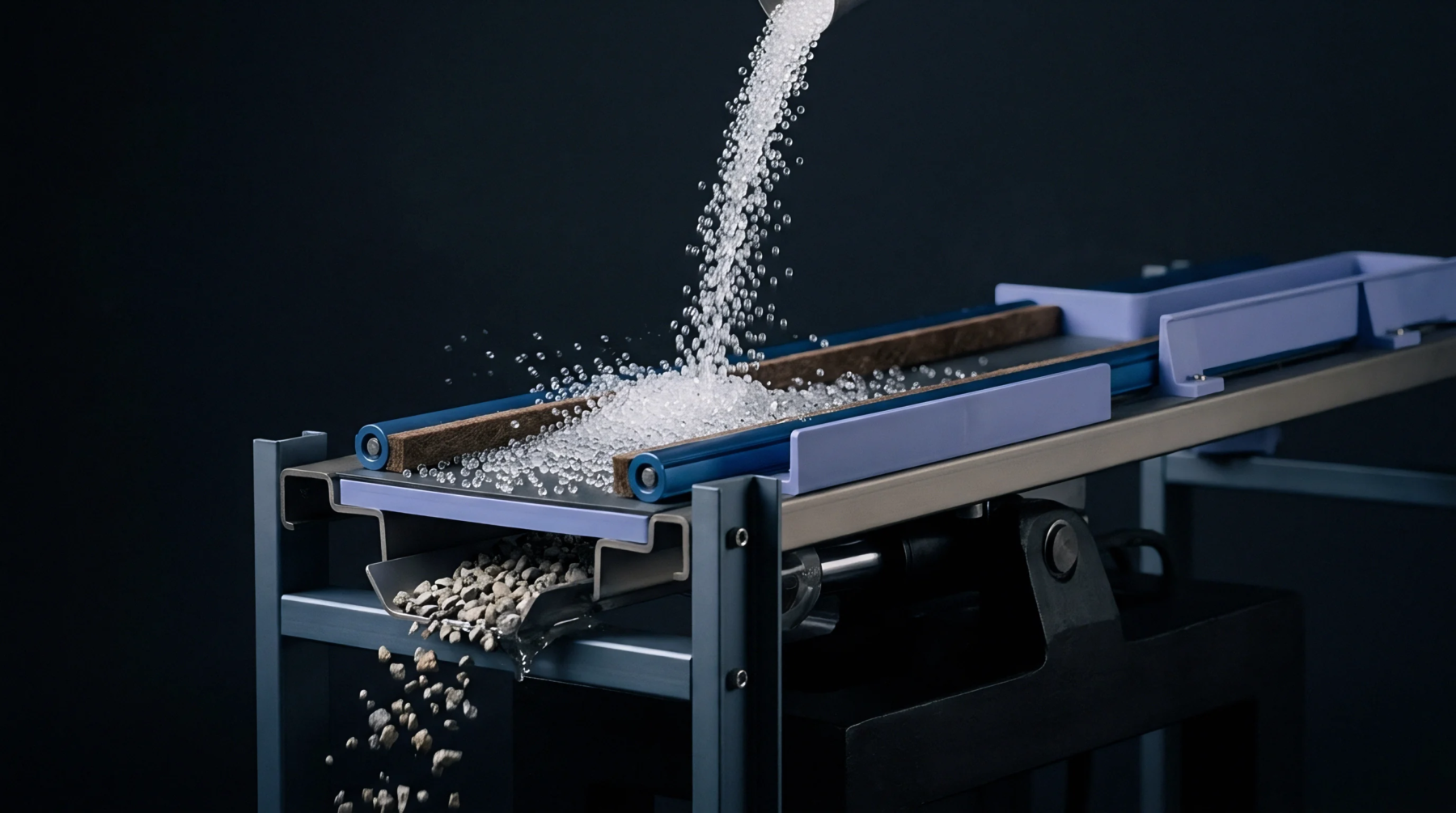
Mass spectrometry screening quantifies non-intentionally added polyolefin migrants, converting raw chemical spectra into defensible food contact compliance dossiers.

Additive shifts from migration combine polymer diffusion models with food recipe assays to prevent statutory threshold breaches at destination ports.

Harmonized HRMS quantification in recycled plastics requires matrix-matched standard addition and conservative response factor bands to bound screening uncertainty.

Non-target screening limits derive from toxicological exposure caps adjusted for packaging contact geometry, simulant transfer, and detector response factor variance.
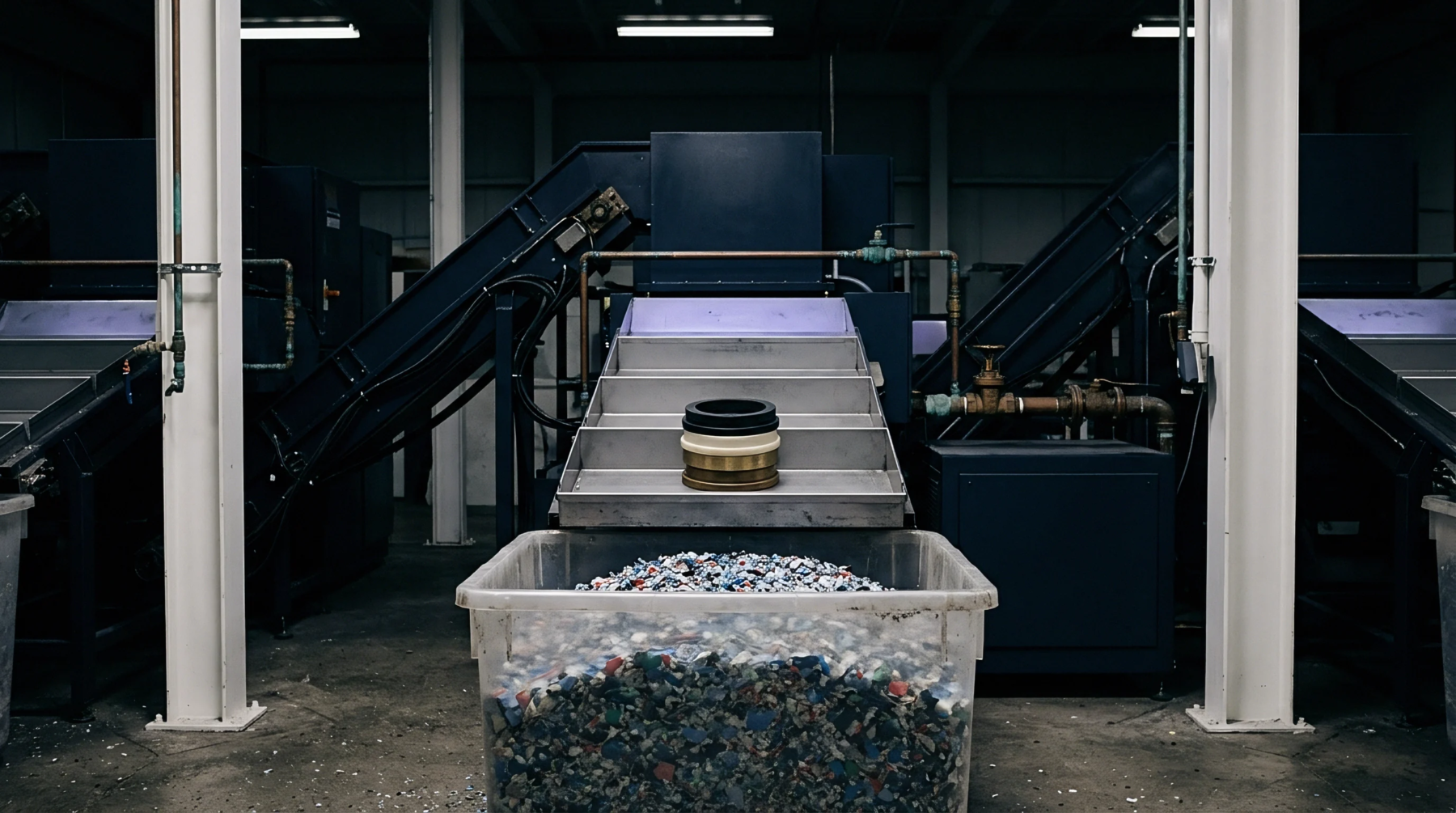
Trace post-consumer recycled fractions in multi-layer packaging require physical layer microtomy before pyrolysis GC-MS to verify claims below five percent.
Expertise is a utility, not a secret. sentiention™ publishes its working knowledge as open reference: intelligence layer covering the materials it sources, the markets it enters, and the reference that serves both.