Meaning
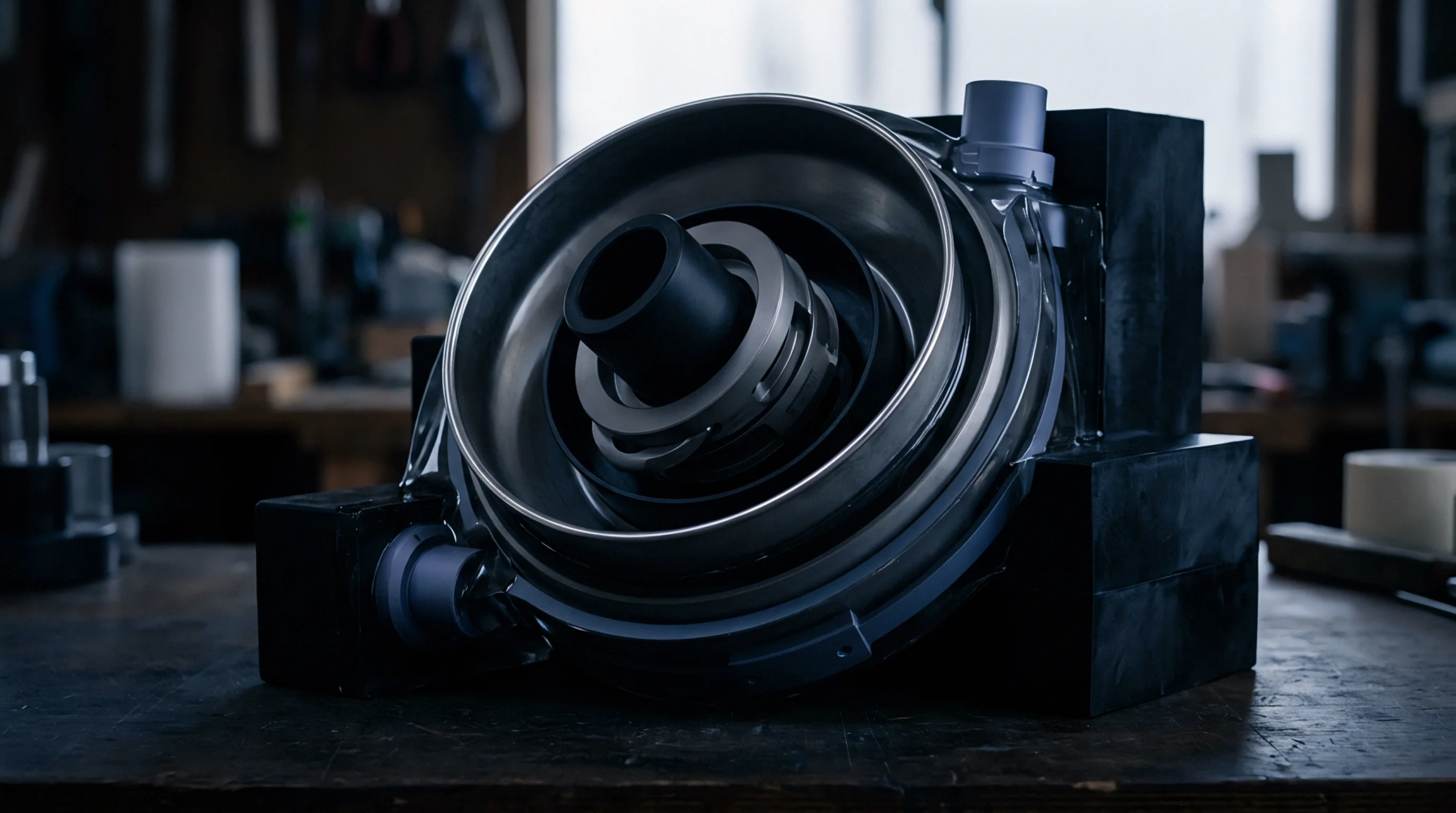
Physical deformation of a mould base or core caused by the high internal pressures of the injection phase. Engineers calculate tool deflection to ensure that the mould remains closed and the parts stay within dimensional tolerances. This movement occurs when the force of the molten plastic exceeds the local stiffness of the steel plates.
It is a temporary condition that should reverse once the pressure is released, provided the steel was not stressed beyond its yield point.
Structural Displacement
Bending of the support plates or the core pins can lead to variations in the wall thickness of the plastic part. Adding support pillars behind the cavity plates reduces this movement and improves the consistency of the production run.
Flash Formation
Gaps created by the bowing of the mould faces allow liquid resin to escape the cavity and form unwanted plastic fins. This defect increases the cost of production by requiring manual trimming or causing part rejections.
Clamping Pressure
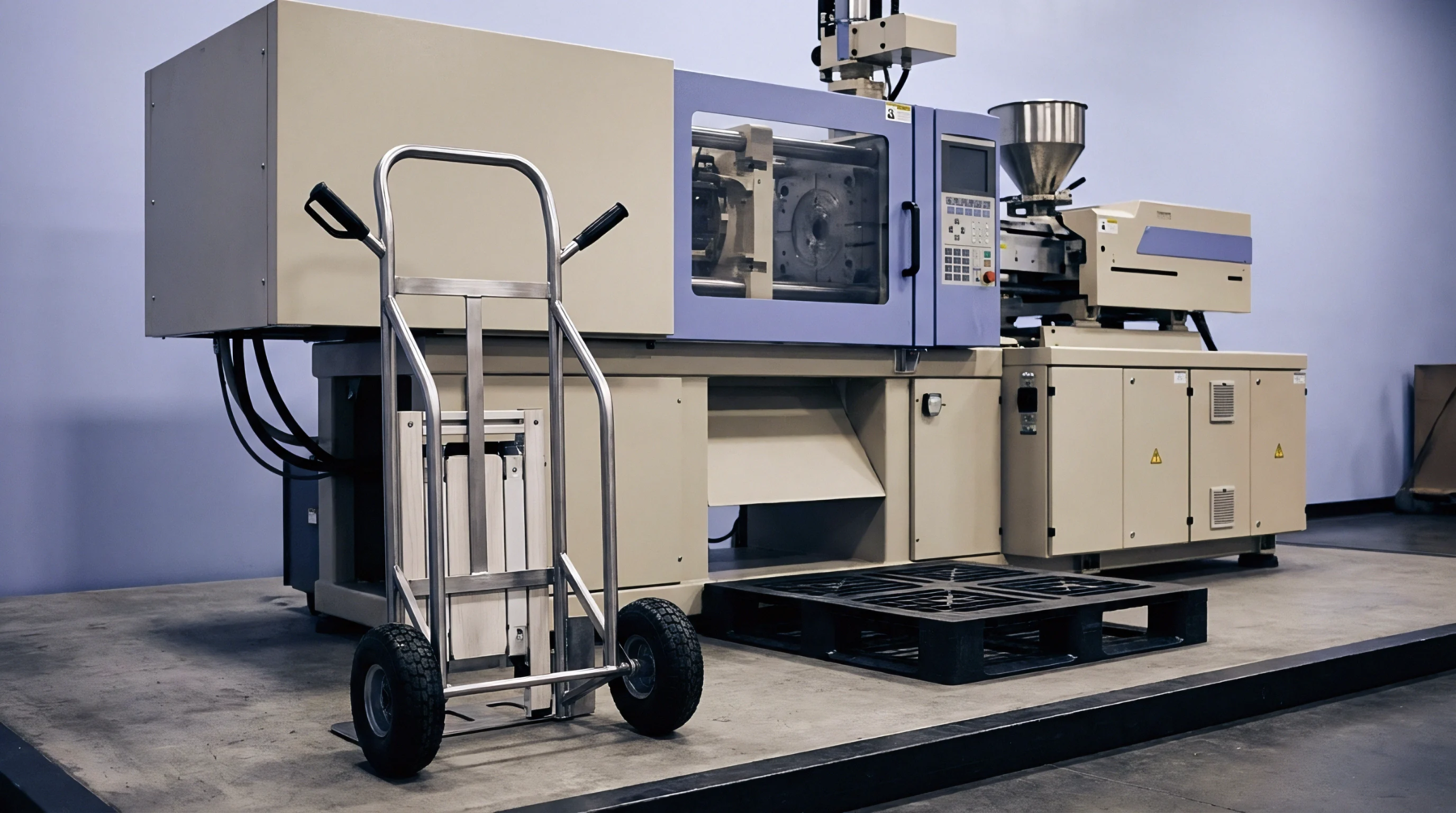
Force applied by the injection moulding machine must be high enough to counteract the internal pressure and minimize the deflection. Setting the clamp force too low will exacerbate the problem, while setting it too high can damage the tool or the machine platens.