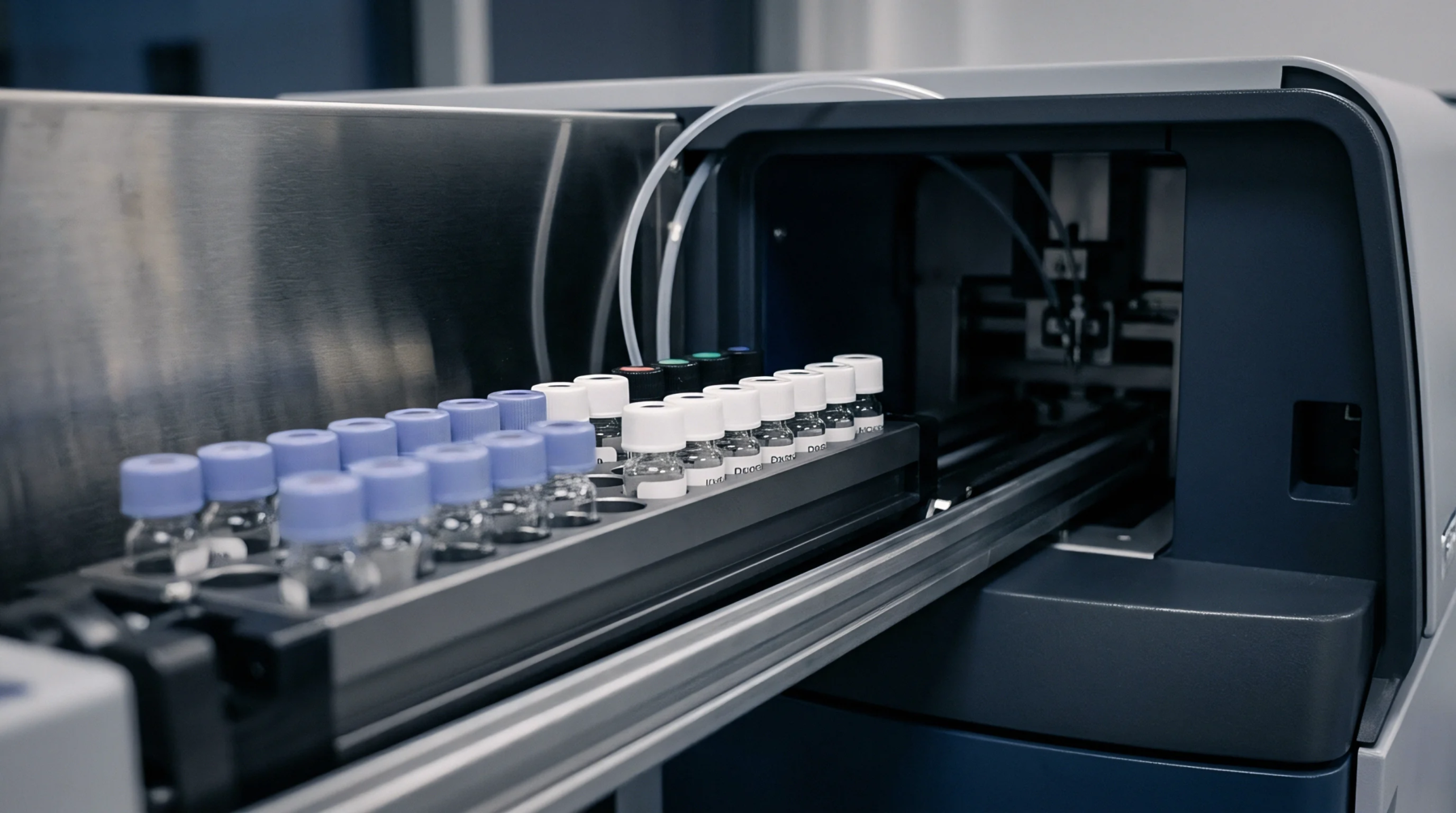
Basic Introduction to Bimodal Polyethylene Molecular Structure and Flow
Bimodal PE decouples strength from processability by pairing low MW matrix lubricant with branched high MW tie chains for high ESCR and low extrusion pressure.
Bimodal PE decouples strength from processability by pairing low MW matrix lubricant with branched high MW tie chains for high ESCR and low extrusion pressure.

Multi-tier polyolefin silo homogenization induces viscoelastic drift via thermal compaction and micro-shear, altering melt elasticity and wall thickness.
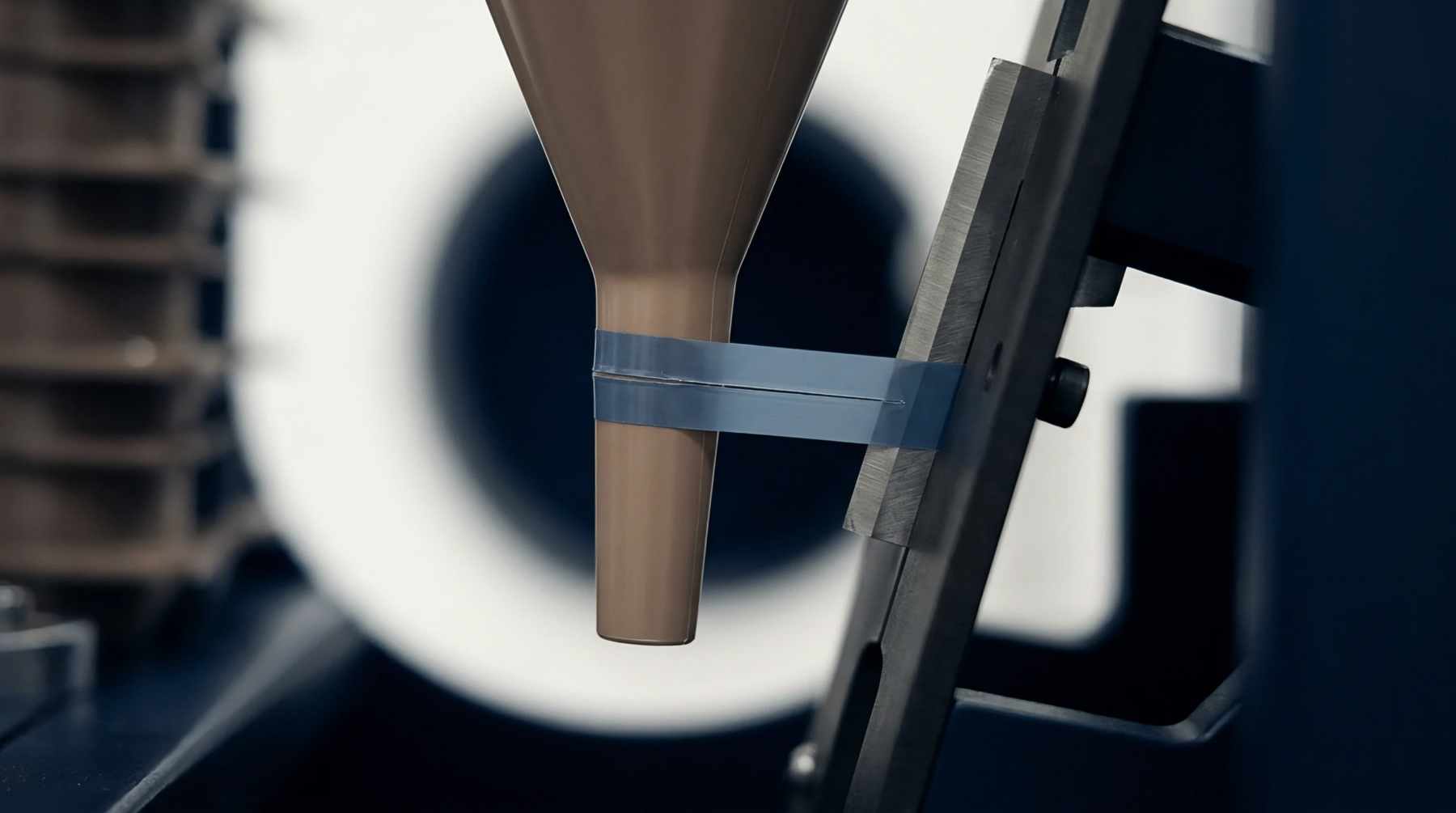
Polyolefin melt flow shifts reveal chain scission or crosslinking under repeated shear, requiring strict multi-point viscosity and antioxidant monitoring.
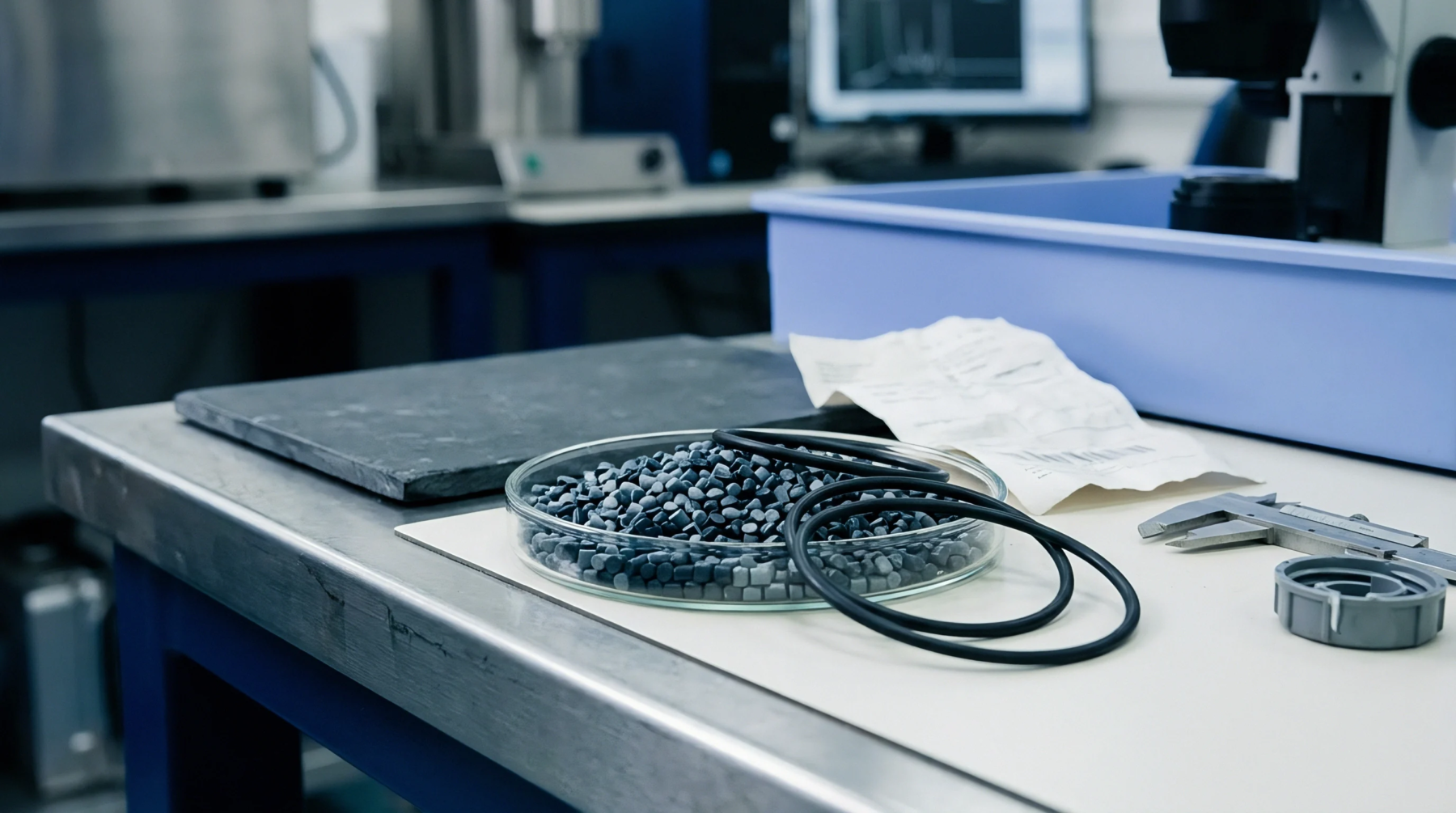
Phase inversion boundaries in recycled olefin fractions shift with shear rate, necessitating combined dynamic rheology and thermal analysis for domain sizing.
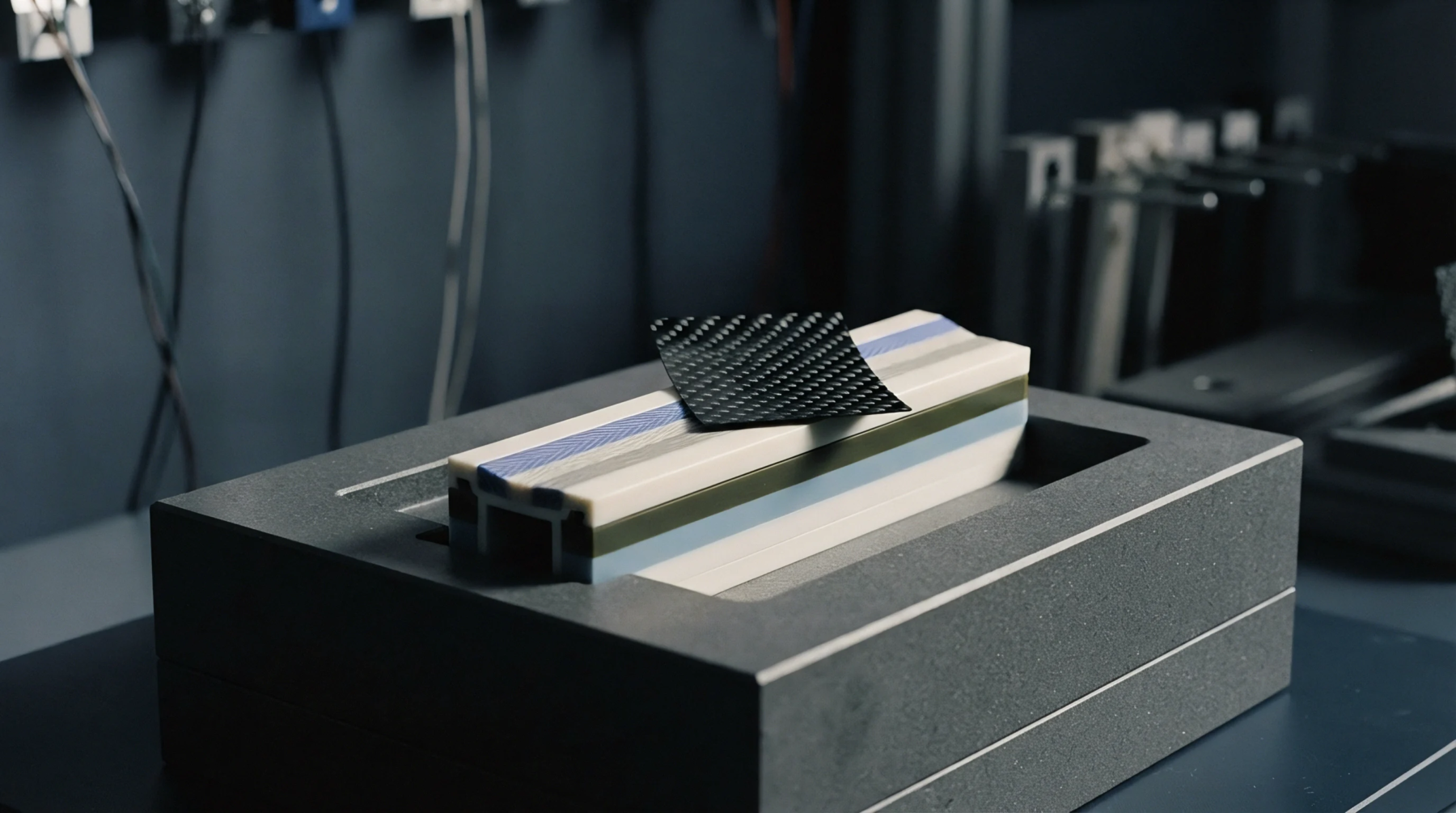
Selecting polypropylene block copolymers for cold automotive parts depends on balancing ethylene-propylene rubber phase dispersion with matrix melt flow rate.
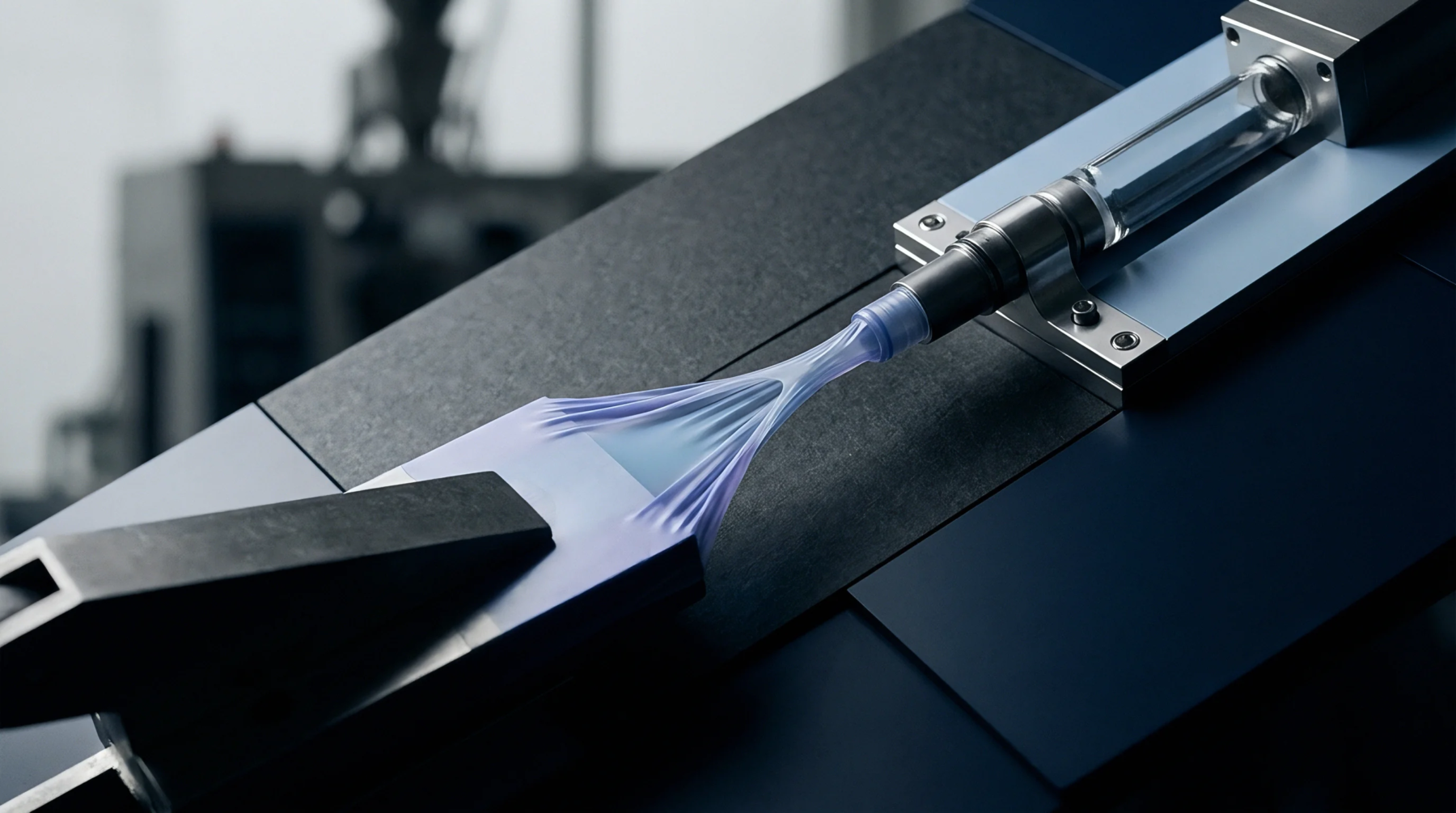
Matching plug speed to polymer disentanglement kinetics prevents corner thinning and optimizes wall thickness in deep draw thermoforming.

Polyolefin recyclate quality verification relies on multi-temperature melt flow testing, oxidation induction time, and continuous screen filtration tracking.
Dynamic low-frequency rheometry identifies thermal degradation in recycled polyolefins that single-point melt flow tests miss entirely.
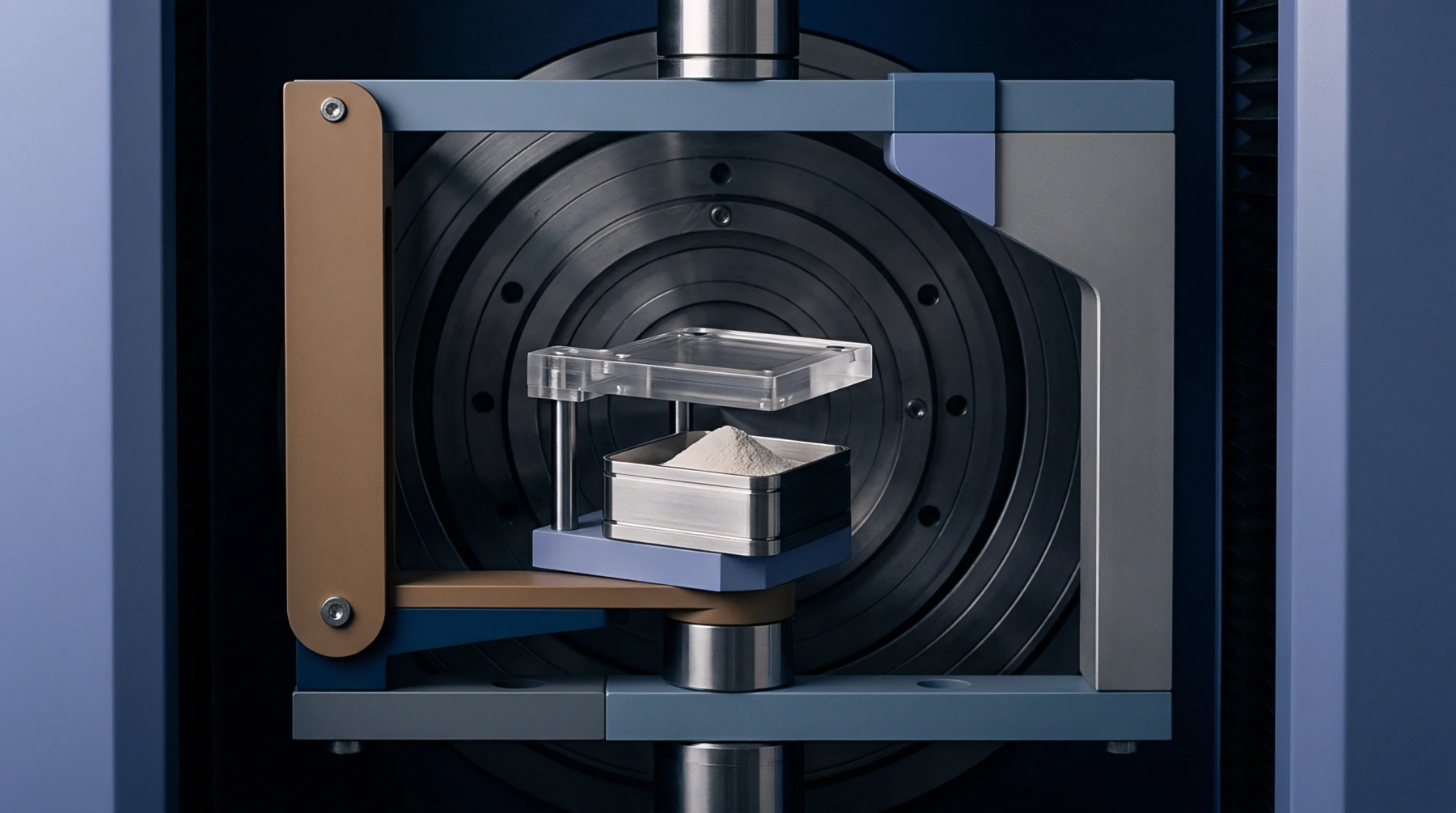
Calibrating high-shear capillary rheology via Bagley and Weissenberg-Rabinowitsch corrections prevents off-spec polyolefin lot processing failures.
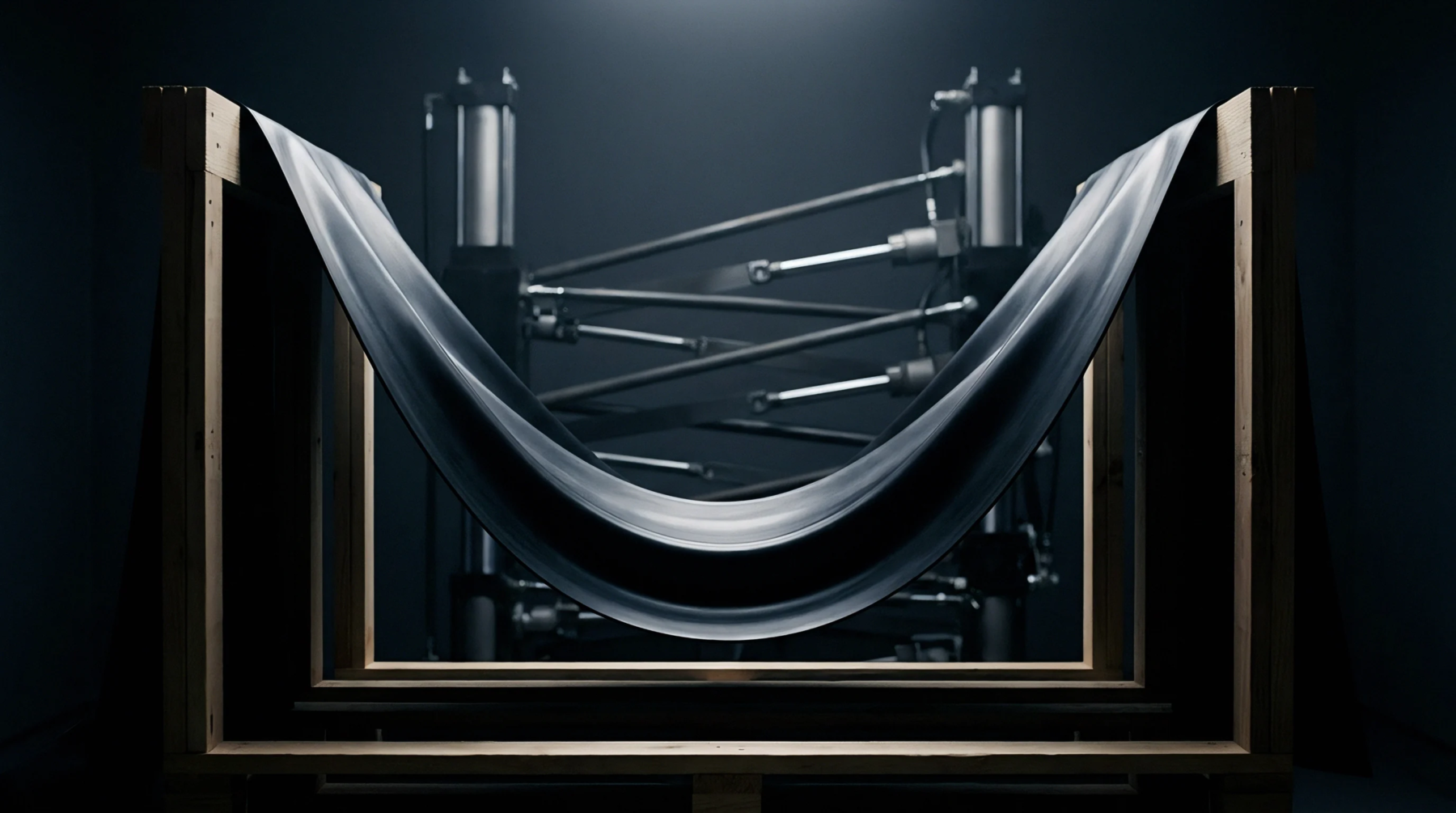
Uniaxial tensile tests misrepresent multi-axial yield, physical aging, and strain-rate sensitivity in amorphous polymers, causing structural failure in real parts.
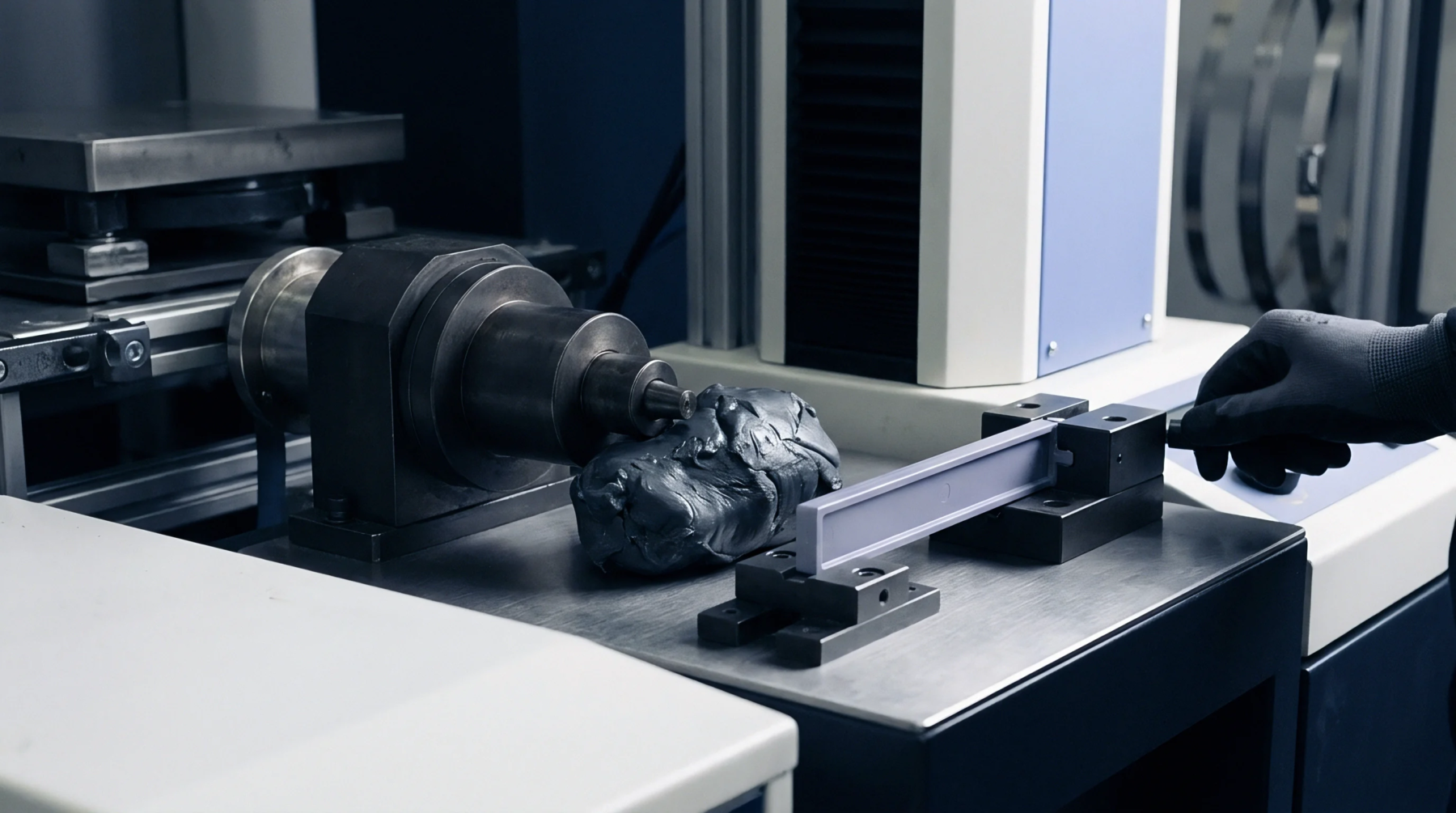
Bimodal HDPE shear thinning variations alter die swelling and sag resistance, forcing wall thickness adjustments and increasing landed pipe cost.

Polypropylene impact copolymers containing disperse ethylene propylene rubber phases maintain cold drop impact strength down to minus 40 degrees Celsius where homopolymers shatter.
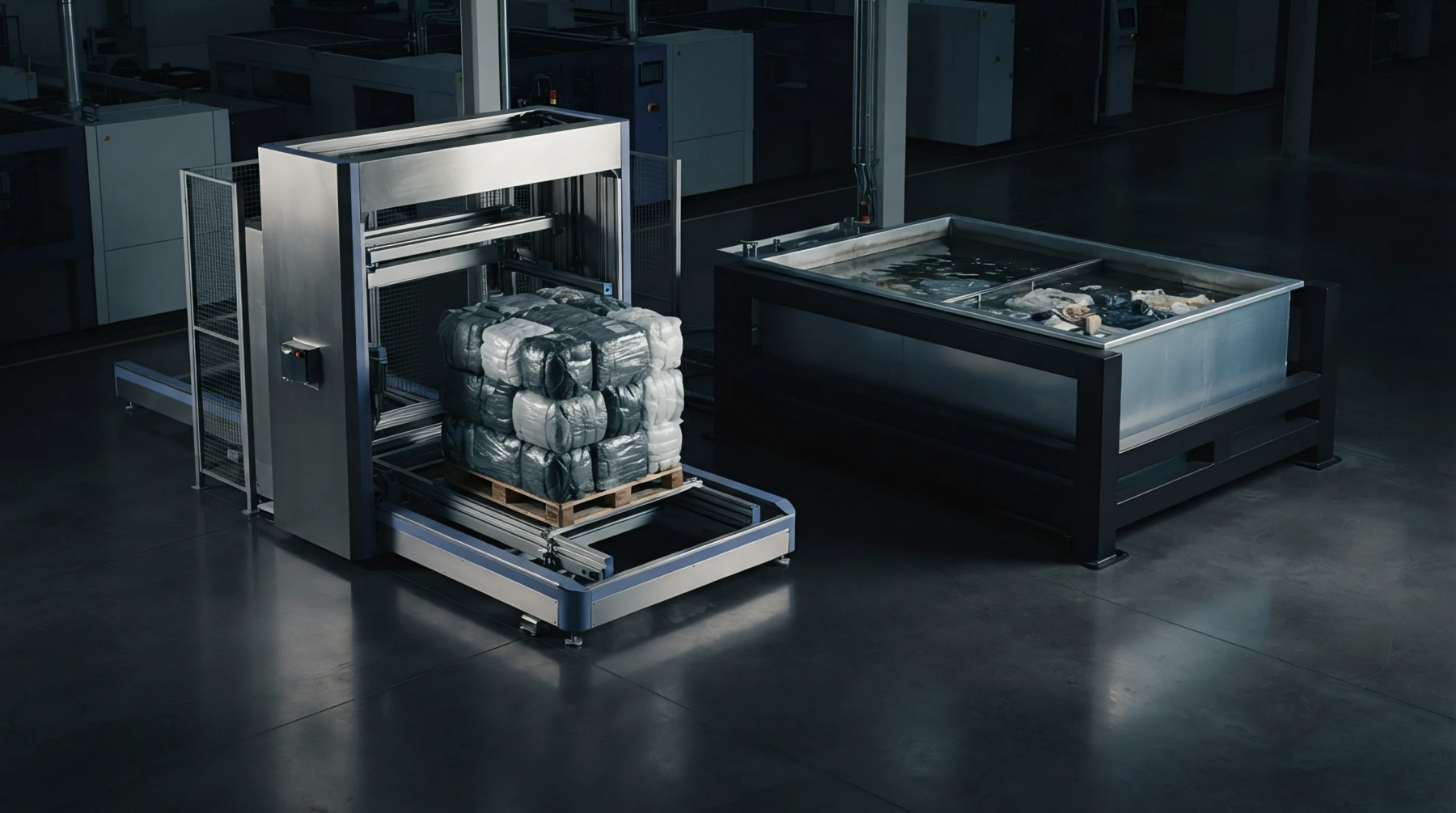
Amorphous sheet stretch dynamics depend on strain hardening and thermal saturation to prevent localized necking and corner blowout during deep thermoforming.
Expertise is a utility, not a secret. sentiention™ publishes its working knowledge as open reference: intelligence layer covering the materials it sources, the markets it enters, and the reference that serves both.