
Chain Extension Mechanics and Carboxyl Scavenging in Polyhydroxyalkanoate Compound Extrusion
Carboxyl scavenging arrests autocatalytic acid scission while multifunctional epoxy chain extenders restore melt viscosity and enable stable PHA processing.
Carboxyl scavenging arrests autocatalytic acid scission while multifunctional epoxy chain extenders restore melt viscosity and enable stable PHA processing.

Polyhydroxyalkanoate processing demands strict moisture control below 200 ppm and residence times under three minutes to prevent cis-elimination chain scission.

Residual moisture above 50 ppm hydrolyzes rPET melt within seconds, dropping intrinsic viscosity and causing brittle part failure that exceeds drying power costs.

Mitigate stoichiometric Karl Fischer interference in rPC by lowering oven extraction to 175 C and using buffered glycol-ether reagents.

Optimize rPET desiccant drying at 160-170°C with -45°C dew point dry air to maintain moisture under 30 ppm and prevent intrinsic viscosity drop.

Polyester moisture extraction follows temperature-dependent Fickian diffusion, requiring dew points below minus forty degrees to prevent melt hydrolysis.

Coulometric Karl Fischer titration with thermal desorption isolates true moisture in bio-polyesters, preventing false readings from monomer breakdown and avoiding melt hydrolysis.
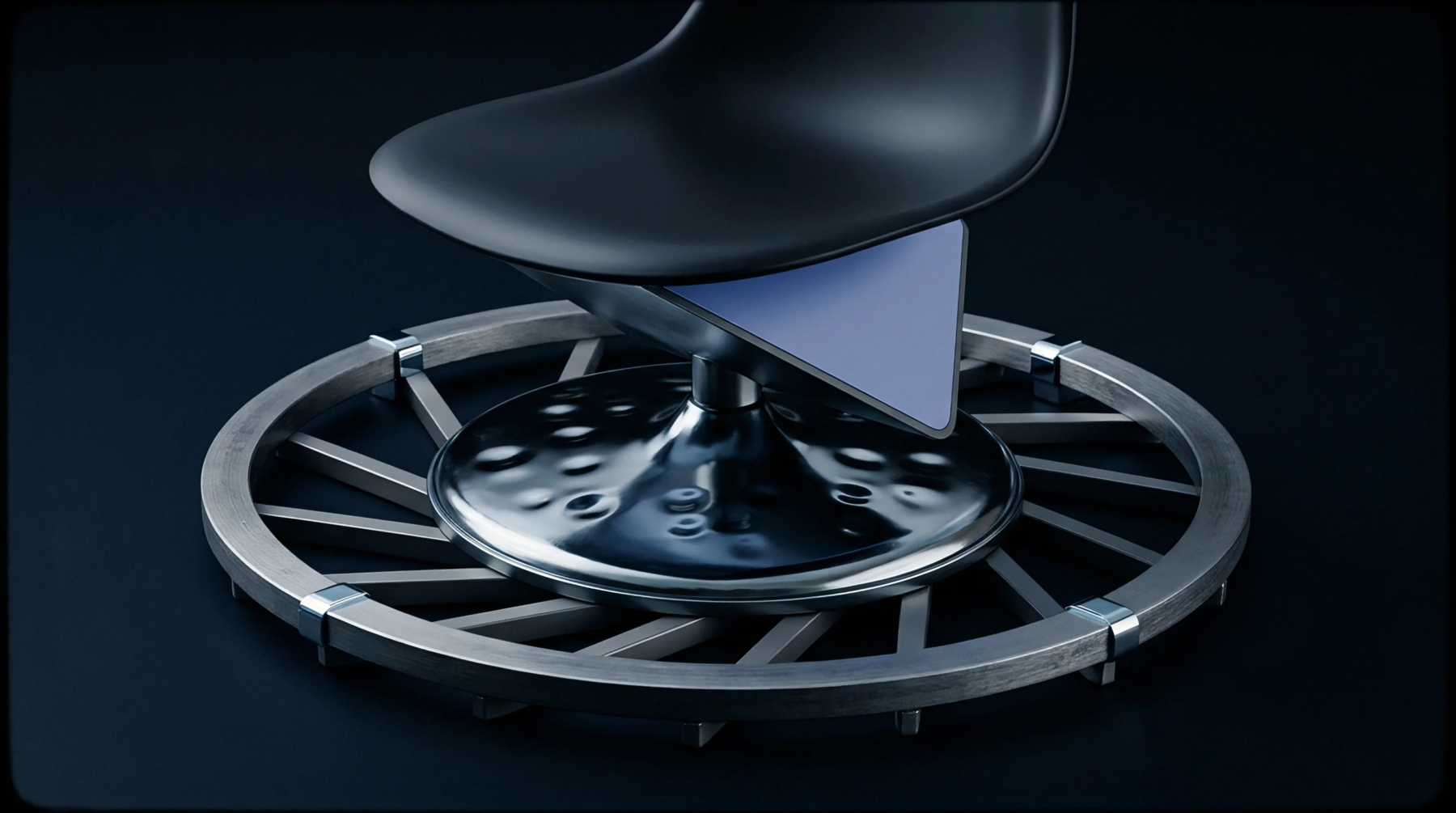
Polyethylene terephthalate ester bonds hydrolyze rapidly in melt above 270 °C, requiring drying below 30 ppm moisture to prevent intrinsic viscosity collapse.

Matching resin melt stability and wall thickness to regional waste facility residence times prevents unexpected landed part cost escalation.
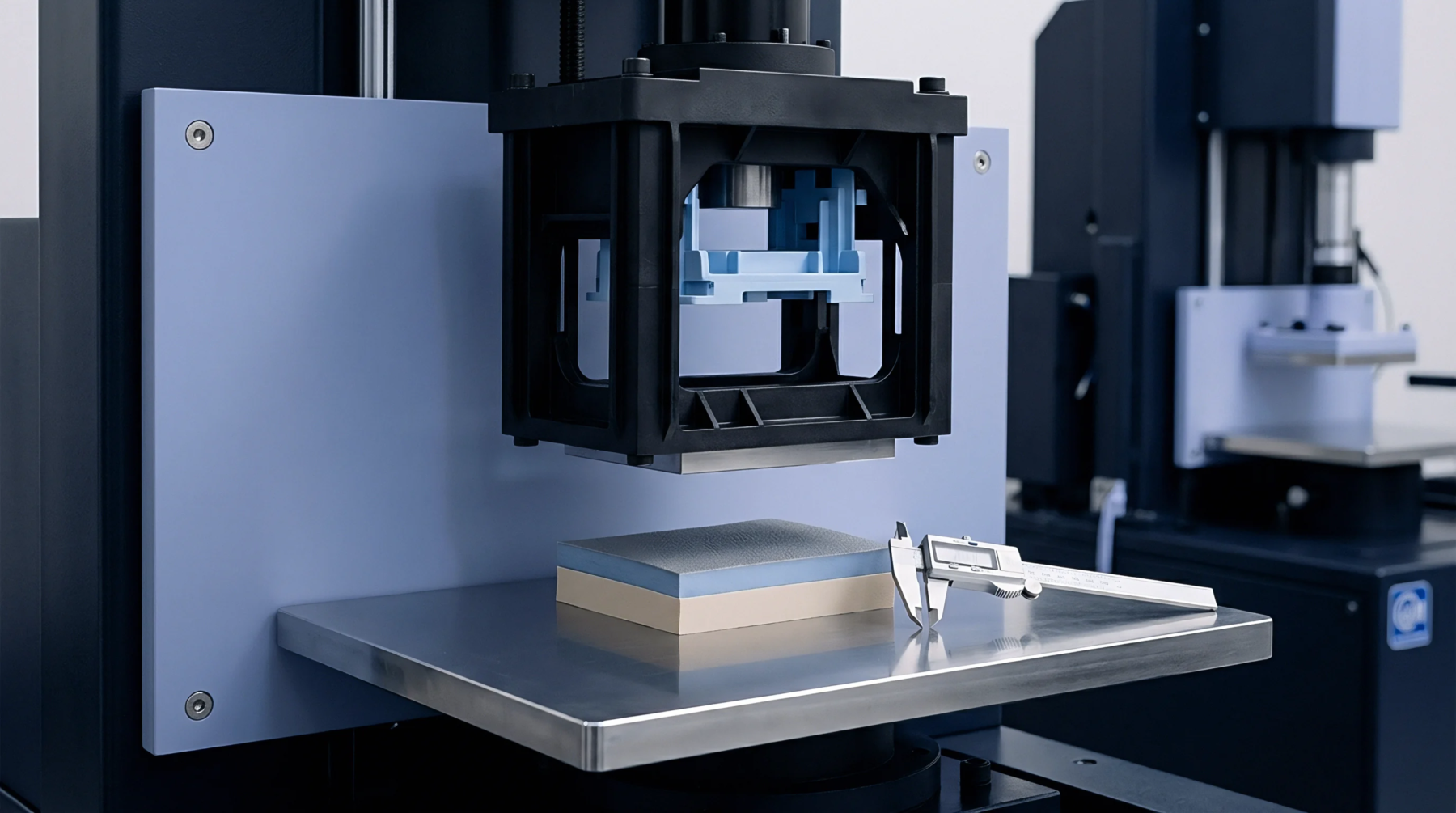
Accurate moisture testing below 50 ppm via Karl Fischer oven titration prevents hydrolytic intrinsic viscosity degradation in recycled PET during melt processing.

Coulometric baseline deconvolution separates true matrix moisture from organic volatile interference in rPET, preventing false lot rejections and IV degradation.
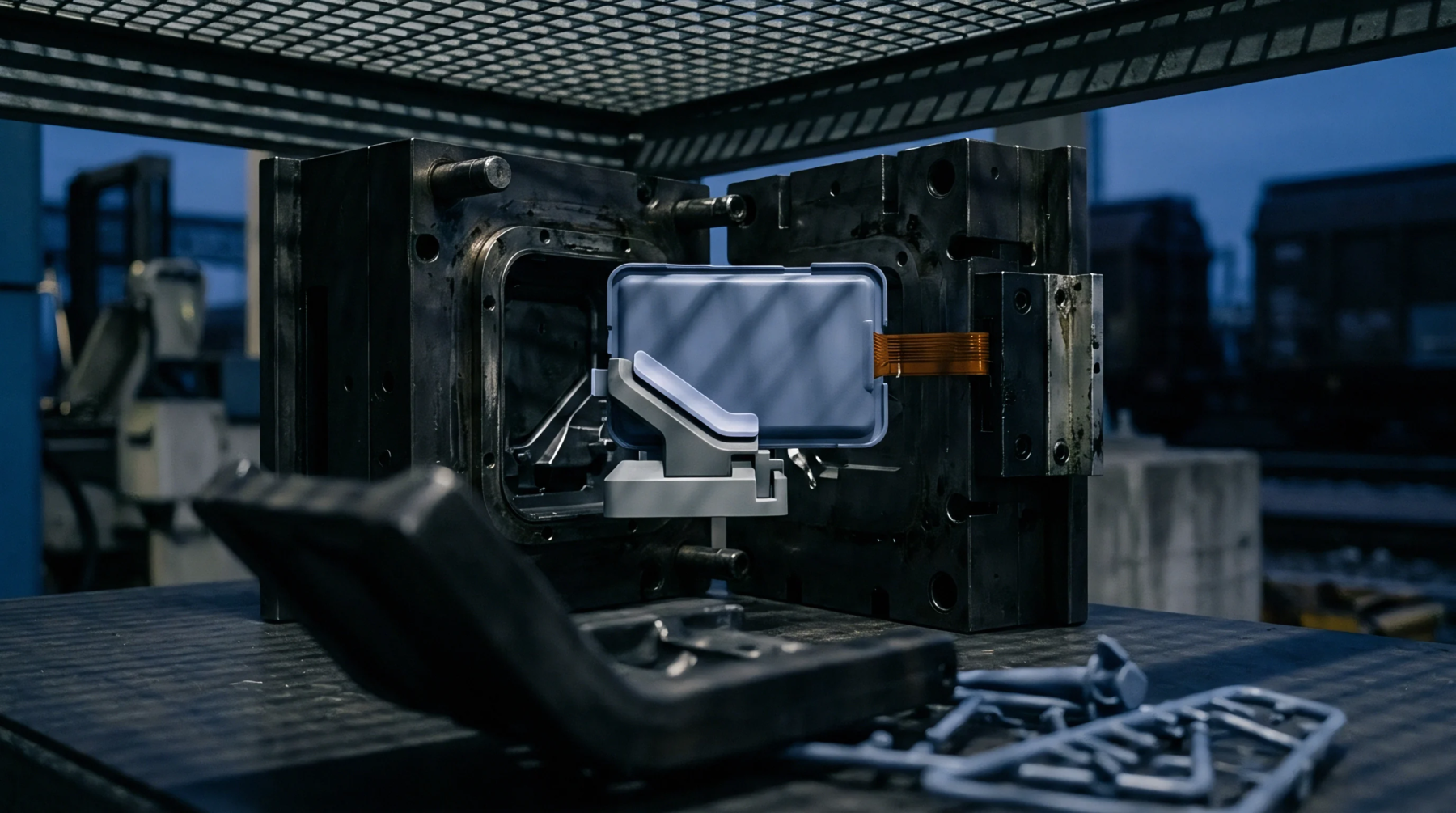
Mathematical integration models decouple physical moisture from thermal ester cleavage off-gas water to ensure accurate resin quality control.

Excess residual moisture causes instant ester chain hydrolysis in molten PET, dropping intrinsic viscosity and destroying mechanical part strength.
Expertise is a utility, not a secret. sentiention™ publishes its working knowledge as open reference: intelligence layer covering the materials it sources, the markets it enters, and the reference that serves both.