Meaning
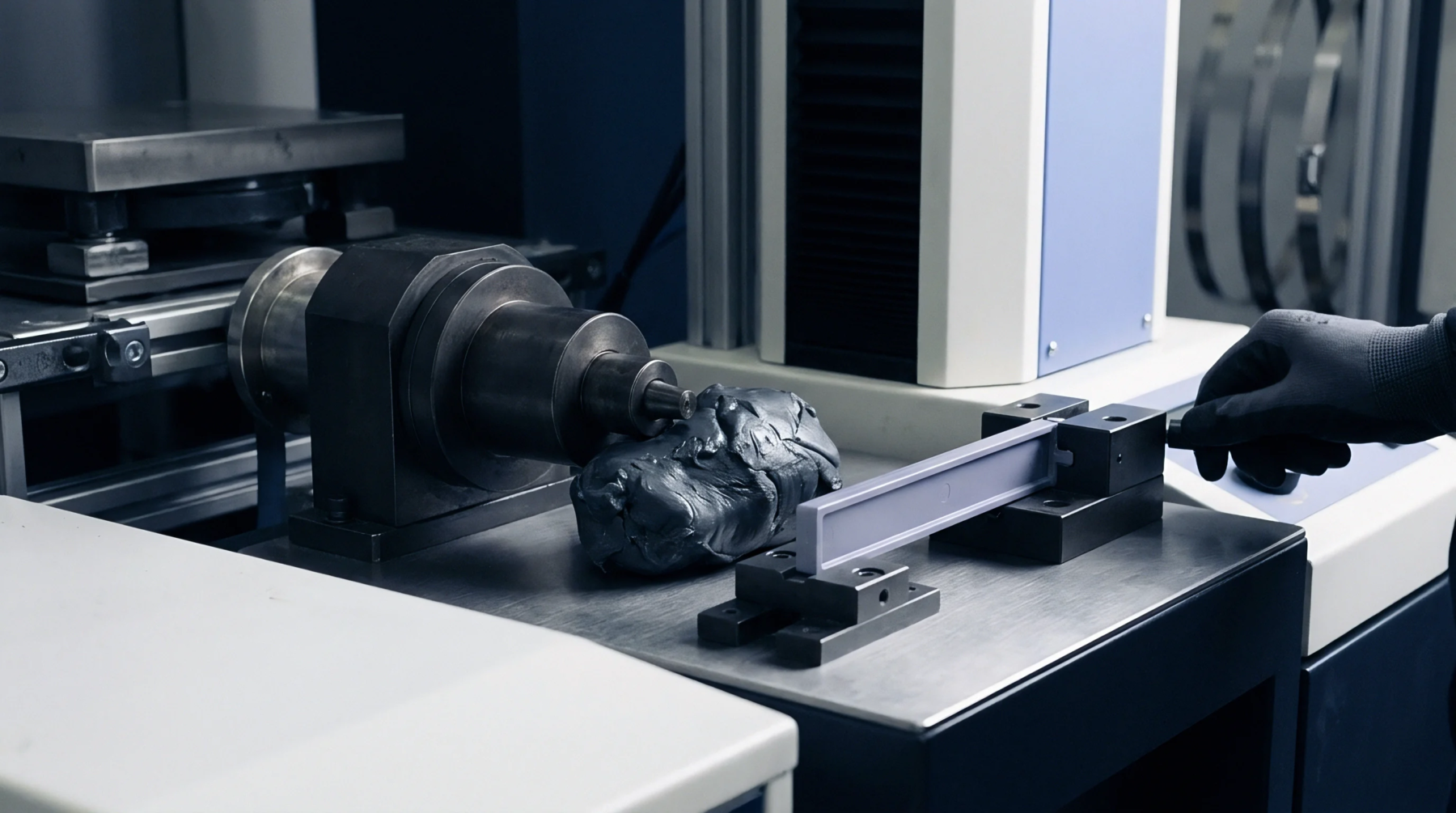
Melt flow rate measurement defines the mass of a thermoplastic polymer passing through a specified die under a regulated load and temperature. The standard iso 1133-1 provides the procedural framework for these tests to quantify the flow behavior of a resin sample within a capillary rheometer. Its scope excludes elastomers and materials that exhibit extreme flow properties where current hardware limitations prevent reliable data acquisition.
Flow Mechanism
Gravitational force drives a piston to extrude molten material through an orifice of defined geometry to determine the viscosity profile of a batch. Operators verify that the heating chamber reaches equilibrium before placing the specimen into the barrel to initiate the measurement. Compressed air or manual packing during the loading phase removes trapped bubbles that alter the density of the extrudate.
A timer tracks the duration required for the piston to travel a fixed distance or the mass accumulated over a set interval. Calibration of the weight and the internal diameter of the cylinder protects the validity of the resulting grams per ten minutes value.
Polymer Economics
Material consistency depends on the relationship between molecular weight distribution and the fluidity measured by this protocol. Virgin pellets usually exhibit a target range for this variable that reflects the polymerization process settings. Regrind introduces chain scission or crosslinking which shifts the rate and signals a loss of mechanical integrity in the final molded object.
Processors use this data to determine if a change in screw speed or barrel temperature compensates for shifting material characteristics during a production run.
Calculation Variance
Laboratory values differ from the performance observed in high shear injection molding because the standard operates at significantly lower shear rates. Molders recognize that the result captures the state of the resin at the start of the process rather than the effective viscosity inside a hot runner system. Differences between the recorded laboratory value and the actual processing behavior indicate the presence of impurities or moisture that requires additional drying cycles.
The measured rate serves as a quantitative gatekeeper for batch quality that links raw material supply to the structural reliability of finished parts.