Meaning
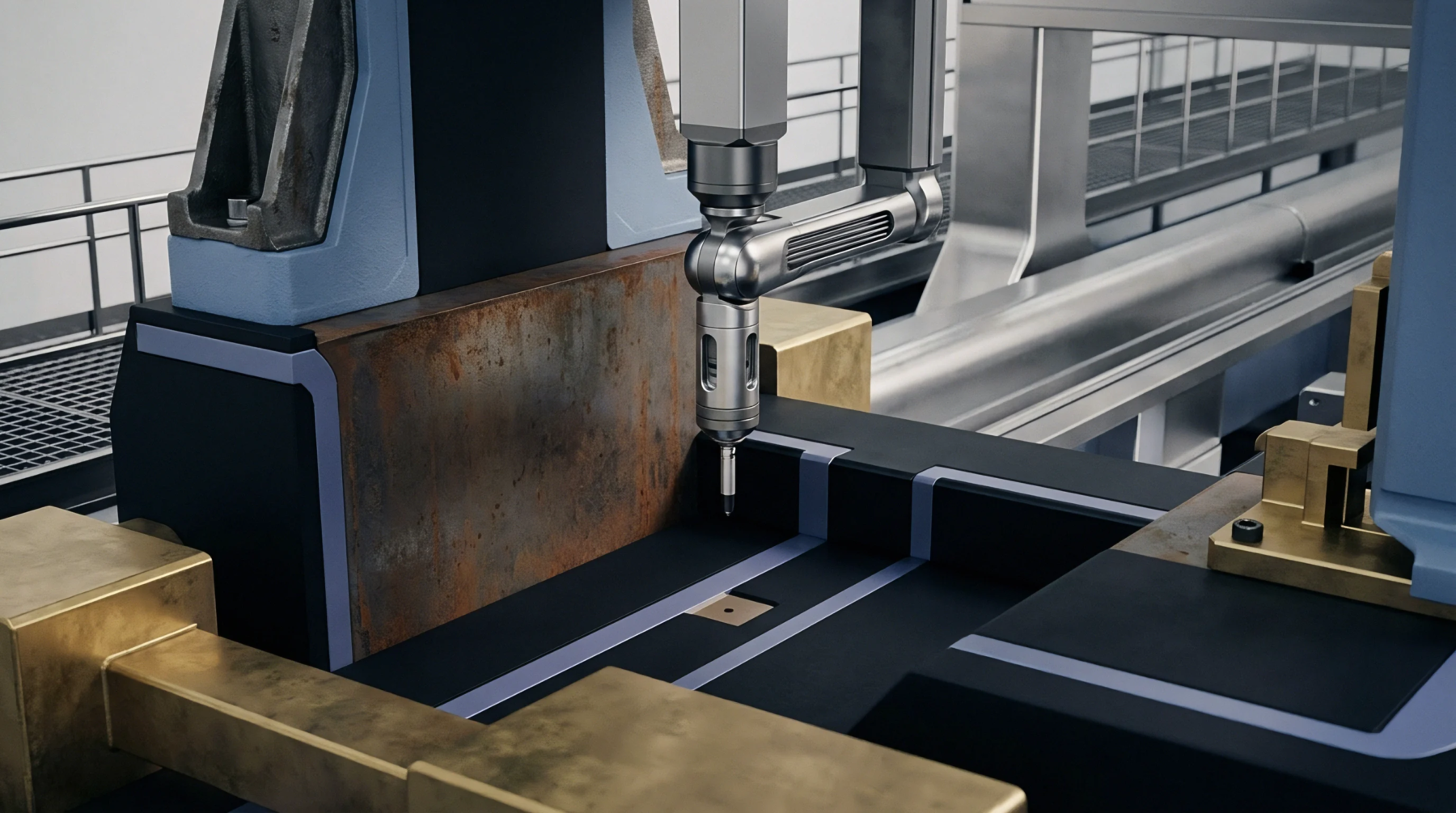
Polymer additives designed to reduce melt fracture and lower extruder head pressure function by coating the internal metal surfaces of processing equipment. These fluoropolymer processing aid agents create a slip layer that decreases the friction between the molten resin and the die walls during high shear extrusion. By preventing the adherence of the plastic to the metal, the additives eliminate sharkskin or surface roughness in film production.
The concentration remains low, typically between two hundred and one thousand parts per million, depending on the base resin rheology.
Rheological Modification
Lowering the apparent viscosity of the melt prevents the development of excessive back pressure in the die assembly. A fluoropolymer processing aid manages flow instabilities that occur when polymers exceed their critical shear rate at the wall. This chemical interaction between the additive and the die steel allows for faster throughput speeds without sacrificing surface quality.
Proper incorporation happens during the compounding phase to ensure uniform dispersion throughout the polymer matrix. Drifts in the feeder settings result in inconsistent coating of the die, which manifests as periodic surface defects or sudden increases in motor load.
Processing Economics
Virgin material costs rise with the inclusion of these high-performance additives, yet the overall production efficiency often improves through reduced downtime. Moulders avoid the expense of frequent cleaning cycles because the coating effect minimizes the accumulation of degraded material inside the die channels. Regrind material frequently consumes more of the additive because previous passes through the extruder diminish the available active agent, necessitating a corrective dose at the hopper.
A datasheet value for the melt index of the raw resin remains stable during testing, but the actual processing behaviour on the shop floor changes once the additive coats the equipment surfaces.
Tooling Compatibility
Material specifications define the concentration thresholds required to achieve a stable coating on various metal alloys like stainless steel or chrome-plated surfaces. Chrome plating reduces the surface energy, often requiring less additive to achieve the same slip effect compared to raw or worn steel. Maintenance of the equipment surface remains a requirement because oxidation or pitting prevents the formation of a continuous slip layer.
Consistent performance across a production run depends on the chemical affinity between the fluoropolymer and the specific tool finish.