Meaning
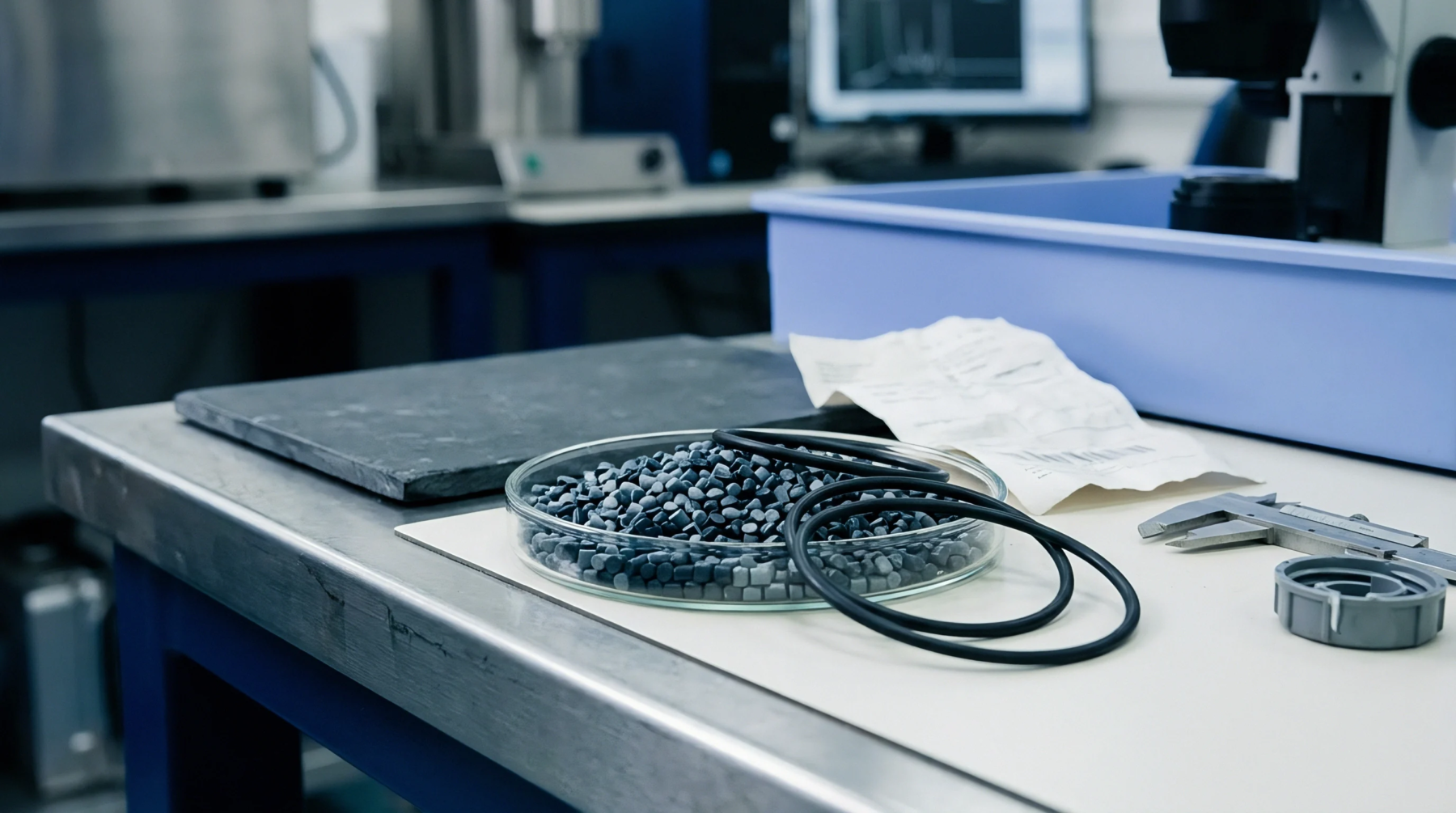
Standardized chemical substitutes for fatty food substances represent the most aggressive environments used to measure the migration of lipophilic substances from plastic packaging into oil-based products. Known as food simulant d2, this medium usually consists of a vegetable oil like olive oil, sunflower oil or a synthetic mixture of triglycerides. It is used in laboratory testing to replicate the behavior of fats and oils which have a high affinity for many of the organic additives found in polymers.
Testing with this simulant is a mandatory requirement for any plastic article intended to hold fatty foods like butter, oil or fatty meats. The results of these tests determine the maximum amount of a chemical that can safely transfer from the container to the food during its shelf life.
Lipophilic Testing
Fatty foods are particularly efficient at extracting non polar additives like antioxidants, lubricants and plasticizers from the polymer matrix. Using food simulant d2 allows researchers to measure this extraction process under controlled conditions that simulate the worst case scenario for the consumer. The simulant penetrates the plastic and dissolves the oily additives, which are then measured using sensitive analytical equipment.
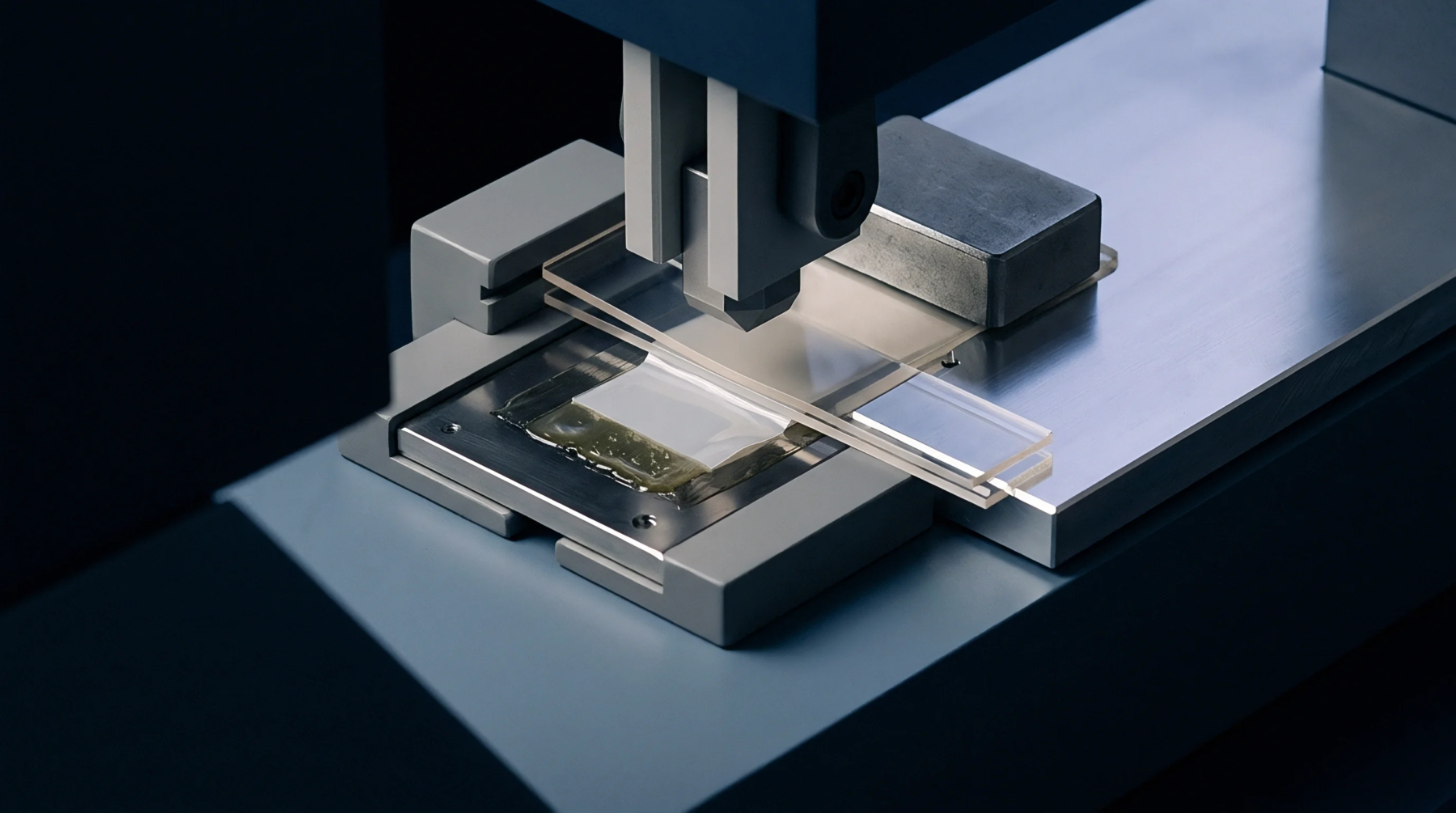
This process is more difficult than testing with water based simulants because the oil itself can interfere with the chemical analysis. Laboratories must use specialized extraction techniques to separate the migrated substances from the vegetable oil before they can be quantified. Accurate measurement of lipophilic migration is essential for ensuring that the total intake of these chemicals remains within safe limits.
Extraction Measurement
The rate at which chemicals migrate into a simulant depends on the temperature and the duration of the contact between the plastic and the medium. Testing with food simulant d2 is typically conducted at temperatures ranging from forty degrees celsius for long term storage to over one hundred degrees for microwave or oven use. The plastic sample is submerged in the oil for a specific period, and then the oil is analyzed for the presence of restricted substances.
Because the oil can be absorbed into the plastic, the weight of the sample must be carefully monitored to ensure that the results are calculated correctly. This absorption can also cause the plastic to swell, which might increase the rate of migration during the test. These complex interactions require a high level of technical expertise to interpret the results accurately.
Compliance Assessment
A plastic material is considered safe for use with fatty foods only if the migration into the simulant stays below the specific migration limits defined by law. The data generated from testing with food simulant d2 is used to create the declaration of conformity that accompanies the product through the supply chain. If the migration levels are too high, the manufacturer must reformulate the plastic by using different additives or by adding a functional barrier layer.
Moulders must be aware that the choice of resin and the processing conditions can both affect the final migration results. A resin that passes a test in its virgin state might fail after it has been processed into a thin film or a complex moulded part. Consistent testing and quality control are the only ways to ensure that the final product remains compliant with safety standards.