
European Food Contact Polymer Migration Limit Determination
European food contact compliance requires validating overall and specific migration limits using designated simulants, geometric ratios, and traceable dossiers.
European food contact compliance requires validating overall and specific migration limits using designated simulants, geometric ratios, and traceable dossiers.

Parameterizing diffusion coefficients in multi-layer barrier audits relies on calibrated Piringer parameters and explicit boundary condition validation.

Polymer masterbatches carrying reactive chemistry or microencapsulated payloads require chemical substance classification rather than polymer exemption status.

Uncertainty propagation in non-target screening requires combining recovery bias, mass drift, and response factor variance into expanded concentration bounds.

Determining non target screening thresholds requires deriving analytical detection limits from toxicological thresholds divided by GC and LC response uncertainty factors.

Polyolefin migration compliance requires batch-specific testing for low molecular weight hydrocarbons using accredited simulants, exact temperatures, and GC-MS.

Automated deconvolution masks co-eluting NIAS below 10 ppb, making raw ion alignment mandatory before signing food contact migration compliance declarations.
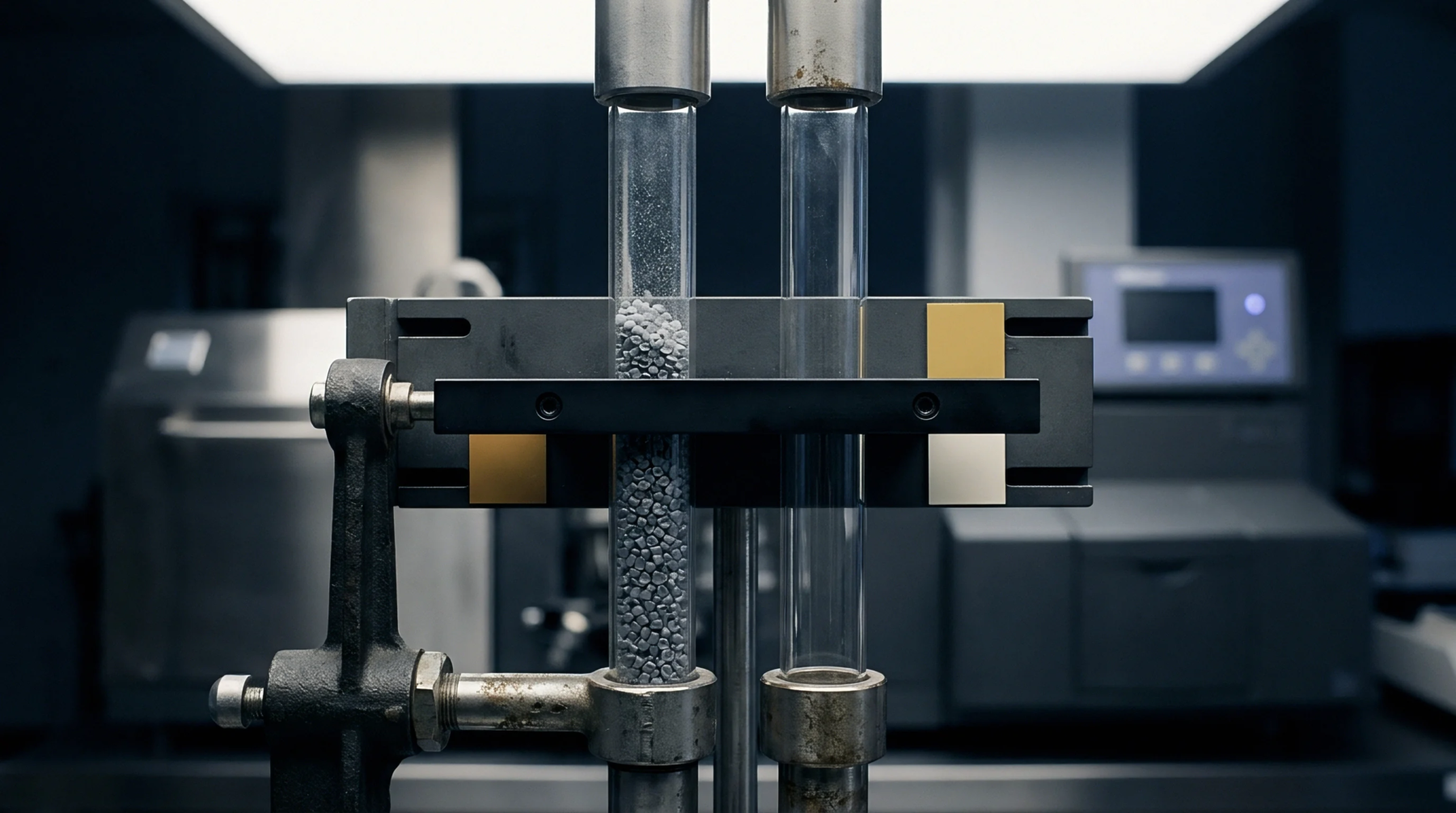
Screening recycled polyolefins via chromatography and toxicological thresholds isolates unlisted migrant degradation products below ten parts per billion.
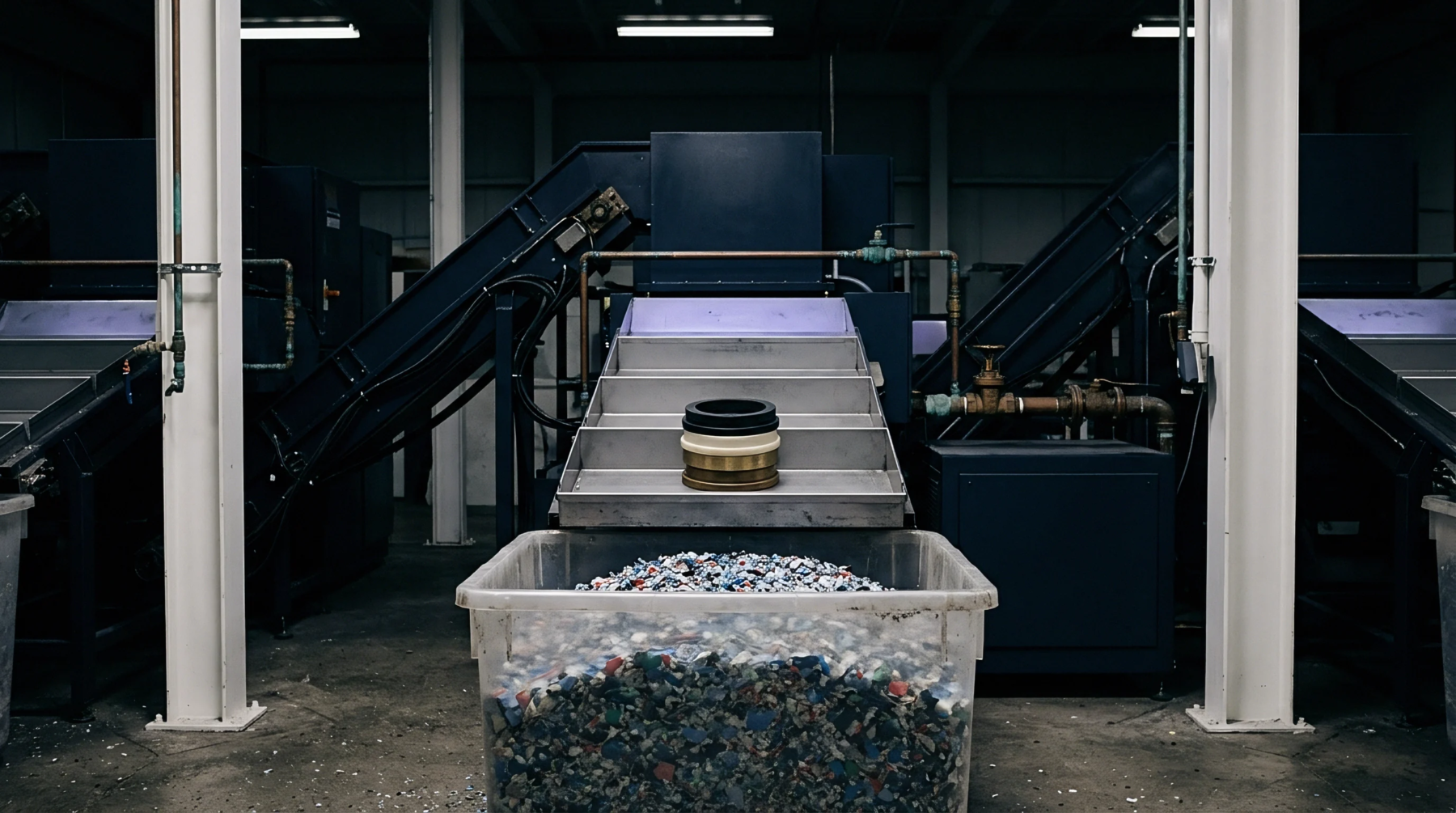
Surrogate selection for polyolefin challenge testing requires five distinct volatility and polarity classes to validate core matrix decontamination.

Auditing converter food contact declarations requires cross-referencing batch test reports, simulant conditions, dual-use additives, and NIAS screening data.

Residual organic peroxide breakdown drives post-moulding melt flow drift and antioxidant depletion in high-speed thin-wall polypropylene injection packaging.

Visbroken polypropylene risks organoleptic contamination and thermal degradation; verify residual peroxide, NIAS limits, and OIT before food contact use.

Select high flow polypropylene homopolymers by balancing melt flow rate against impact loss, verifying narrow molecular weight distribution and peroxide residues.

Compressive jaw pressure forces secondary amides to co-crystallize with metallocene polyethylene, locking slip additives and elevating post-seal friction.

Devolatilization efficiency calculations translate validated surrogate removal rates into maximum safe raw feedstock contamination limits for food contact compliance.
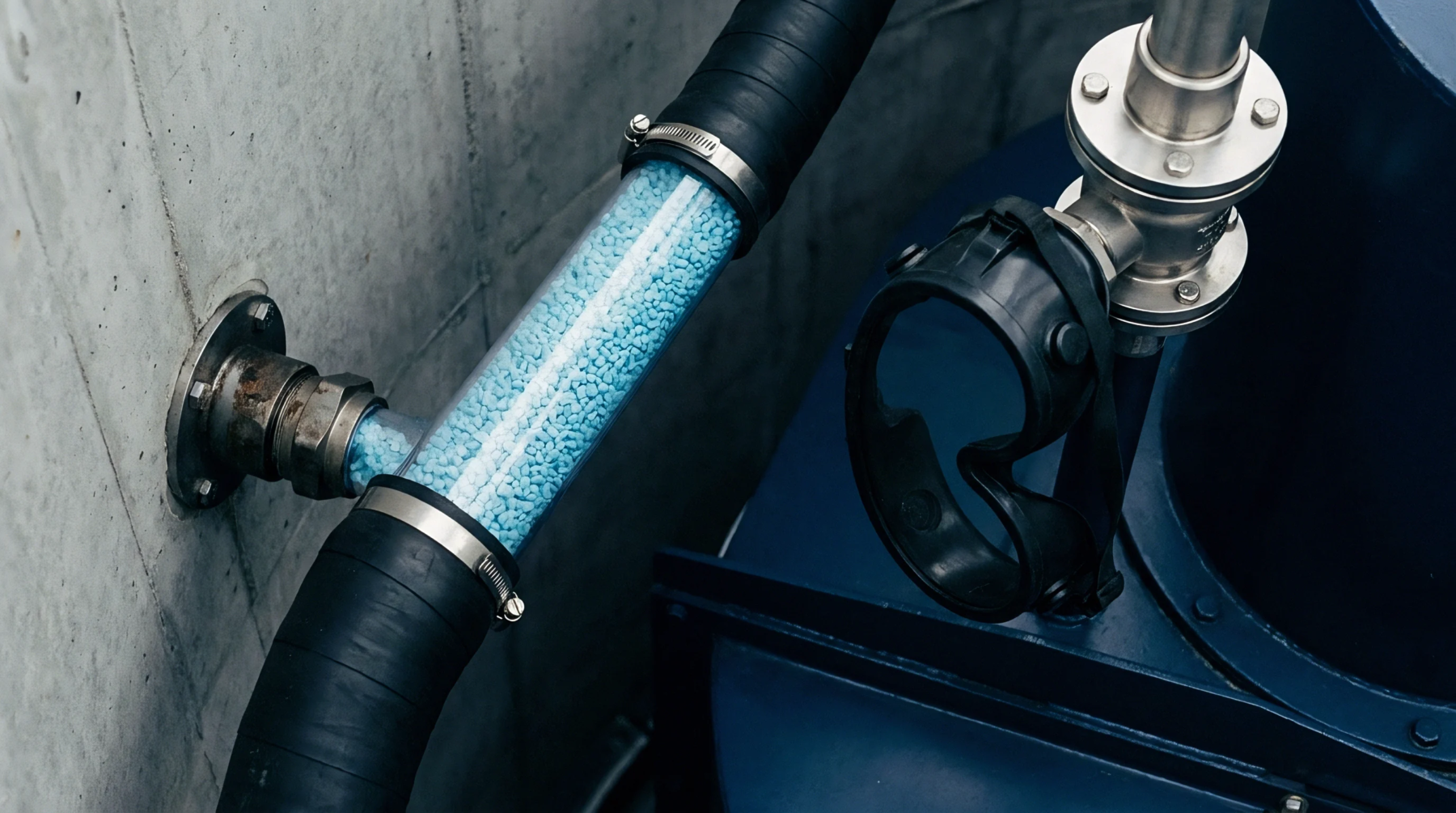
Resolve proprietary food packaging data barriers through third-party escrow clearance, functional barrier diffusion modeling, and non-targeted screening.

Compliance files require measuring migration against specific limits, adjusting for dual-use direct food additive allowances, and verifying raw material data.

Dual use additive management demands specific identity flow from resin compounders to food packers to satisfy direct food additive maximum limits.

Polyolefin migration dossiers require dual GC-MS and LC-HRMS non-target screening backed by class-specific surrogate quantification to clear customs audits.

Polyolefin non-intentionally added substances require chromatographic screening, Cramer toxicological tiering, and finished article migration verification.
Analytical identification thresholds for polyolefin NIAS must be set to 10 ppb in simulants to prevent uncharacterized genotoxins from voiding food contact dossiers.

Analytical verification of NIAS in multi-layer barrier films requires high-resolution mass spectrometry screening backed by toxicological threshold classification.

Headspace volatile extraction quantifies residual odorants and degradation products in recycled resin to establish compliance and prevent lot failures.

Harmonizing mass balance ledgers with NIAS protocols requires pairing credit attestation documents with batch-specific high-resolution migration screening.

Calibrating thermal desorption ovens with matrix-matched gas-phase standards prevents outgassing underestimates in post-consumer engineering resin qualification.

Non-Fickian swelling in post-consumer polyolefins accelerates NIAS release under fatty simulant contact, requiring substitute extraction verification.

Selecting substitute simulants for recycled polyolefin fatty food verification requires matching swelling kinetics to prevent over-extraction while satisfying EN 1186 rules.
Polyolefin migration compliance requires selecting food simulants based on polarity and fat content while accounting for matrix swelling and thermal limits.

Mass balance credit verification demands tracing pyrolysis yields, deducting fuel losses, and enforcing physical site allocation rules on certified resin claims.

High-resolution mass spectrometry screening paired with surrogate semi-quantification establishes food-contact compliance for post-consumer polyolefins.
Expertise is a utility, not a secret. sentiention™ publishes its working knowledge as open reference: intelligence layer covering the materials it sources, the markets it enters, and the reference that serves both.