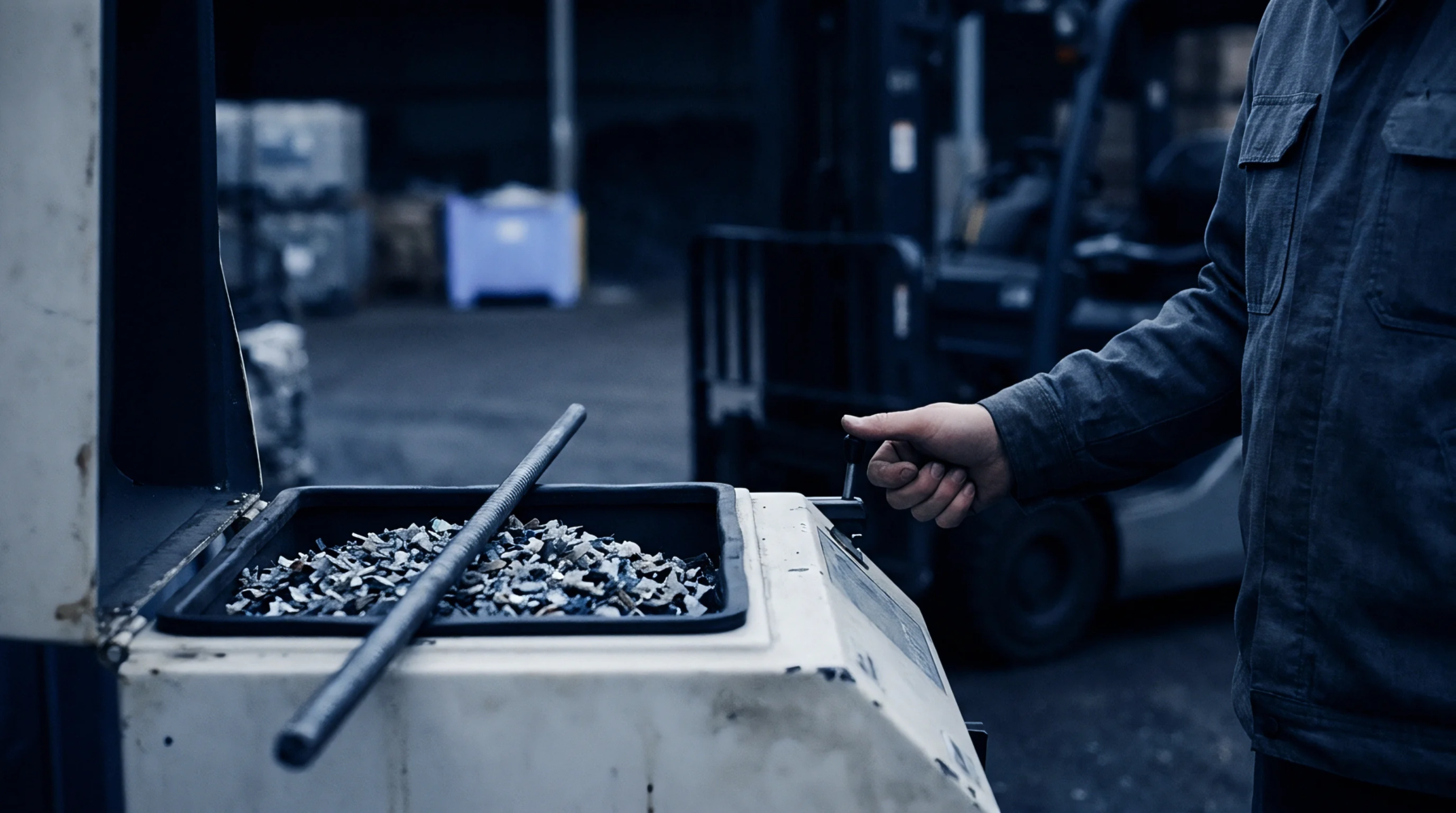
Isolating Metal Catalyzed Degradation Pathways in Recycled Polyolefin Blends
Isolating metal-mediated degradation in recycled polyolefins requires microwave acid digestion with ICP-MS and chelation stabilization to stop chain scission.
Isolating metal-mediated degradation in recycled polyolefins requires microwave acid digestion with ICP-MS and chelation stabilization to stop chain scission.

Oxidation induction time testing at 200 °C establishes true additive depletion in recycled polypropylene before melt processing causes chain scission.

Dynamic shear rheology and oxidative induction testing quantify gel growth and additive depletion in recycled polyolefins to prevent process failures.
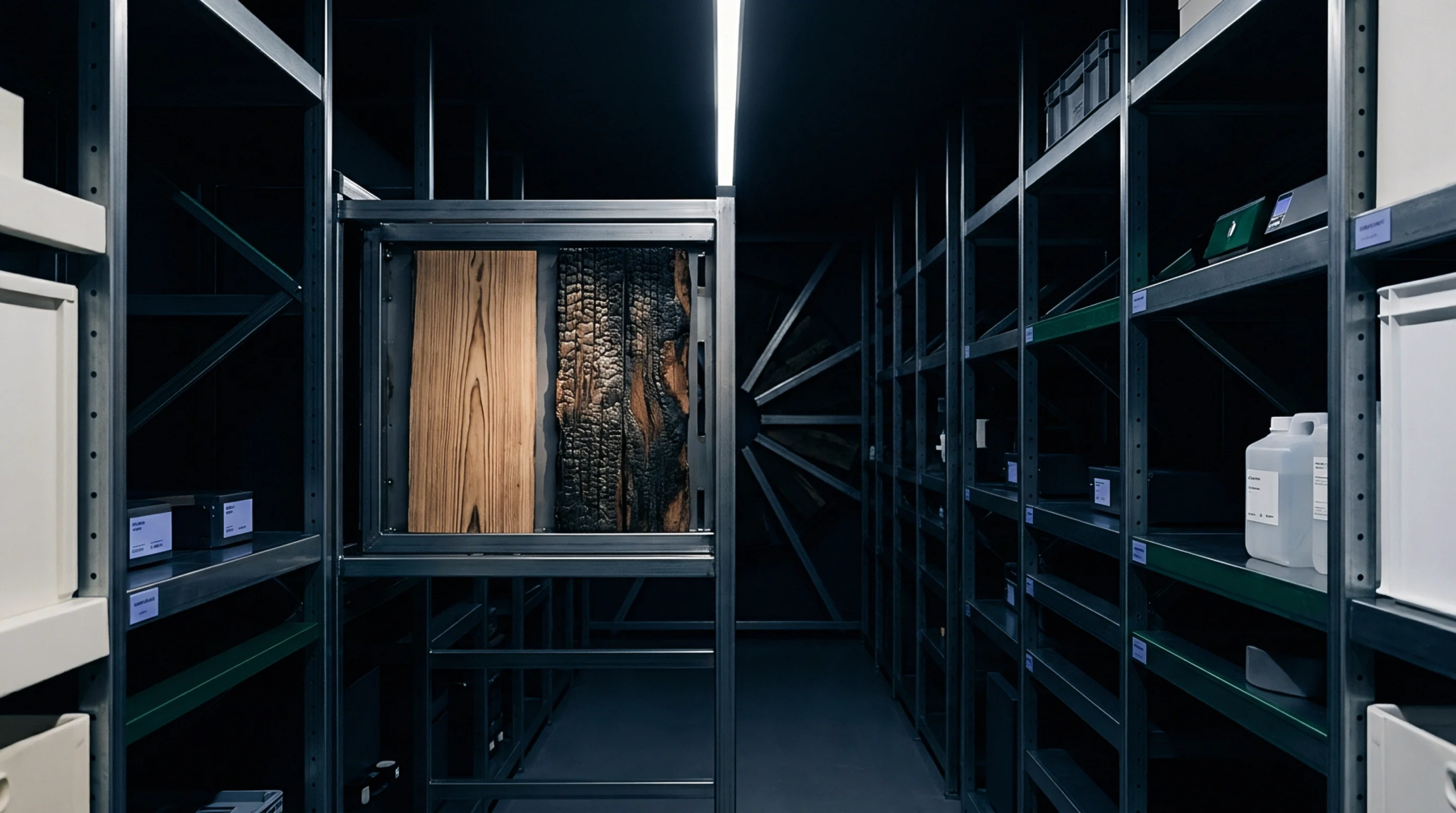
Thermal and oxidative degradation alters polyolefin flake viscosity and residual stability, demanding MFR, OIT, and Carbonyl Index verification before processing.
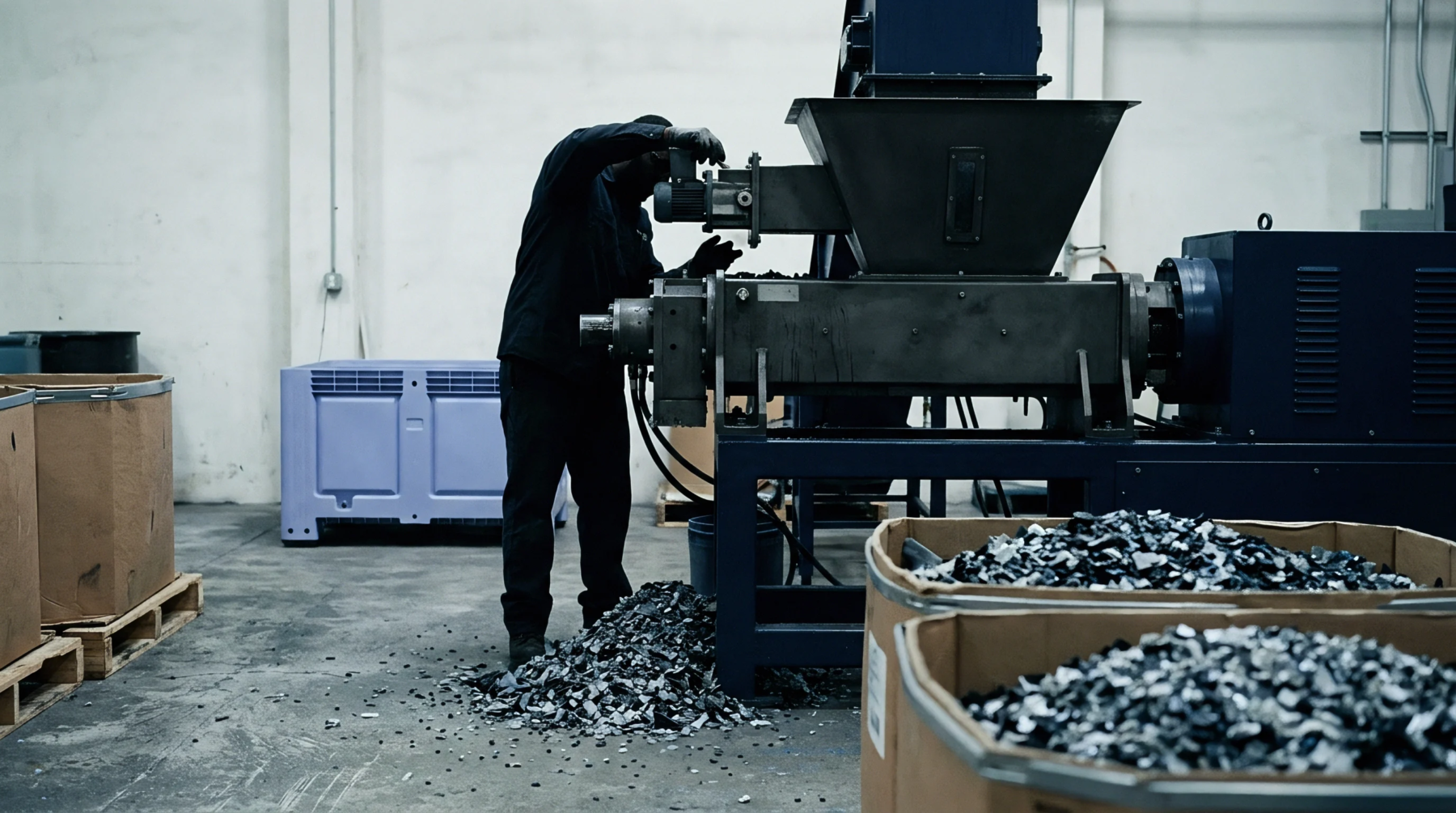
Oxidative induction testing at 200 °C verifies post-consumer polyethylene stabilizer retention to prevent field embrittlement and control restabilization costs.
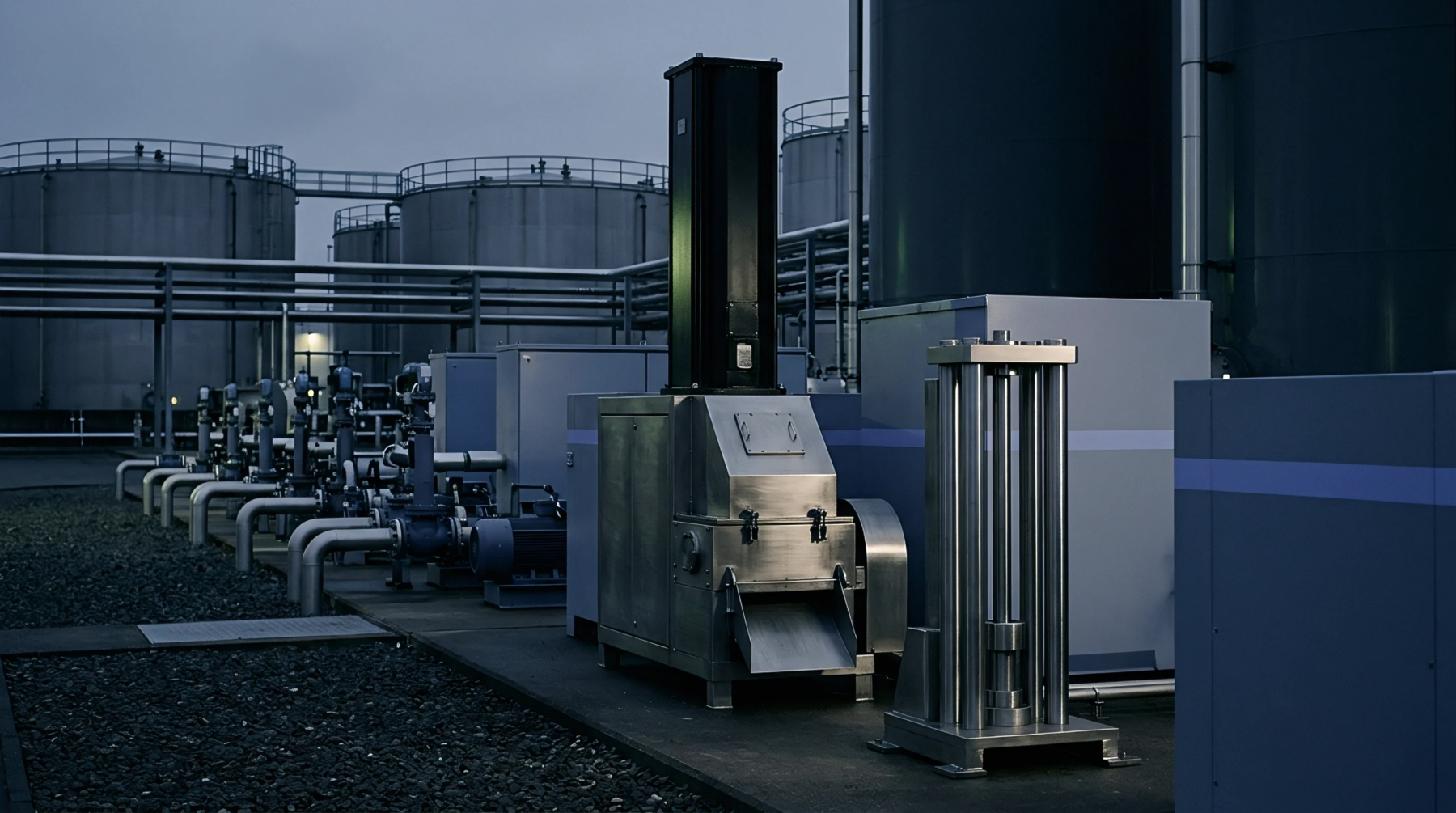
Deactivate metal catalysts and neutralize acid traces with targeted additives to stabilize viscosity drift and optimize landed cost per good recycled part.

Cramer structural classification sets exposure thresholds for unlisted packaging migrants, turning molecular features into defensible specific migration limits.
Expertise is a utility, not a secret. sentiention™ publishes its working knowledge as open reference: intelligence layer covering the materials it sources, the markets it enters, and the reference that serves both.