Meaning
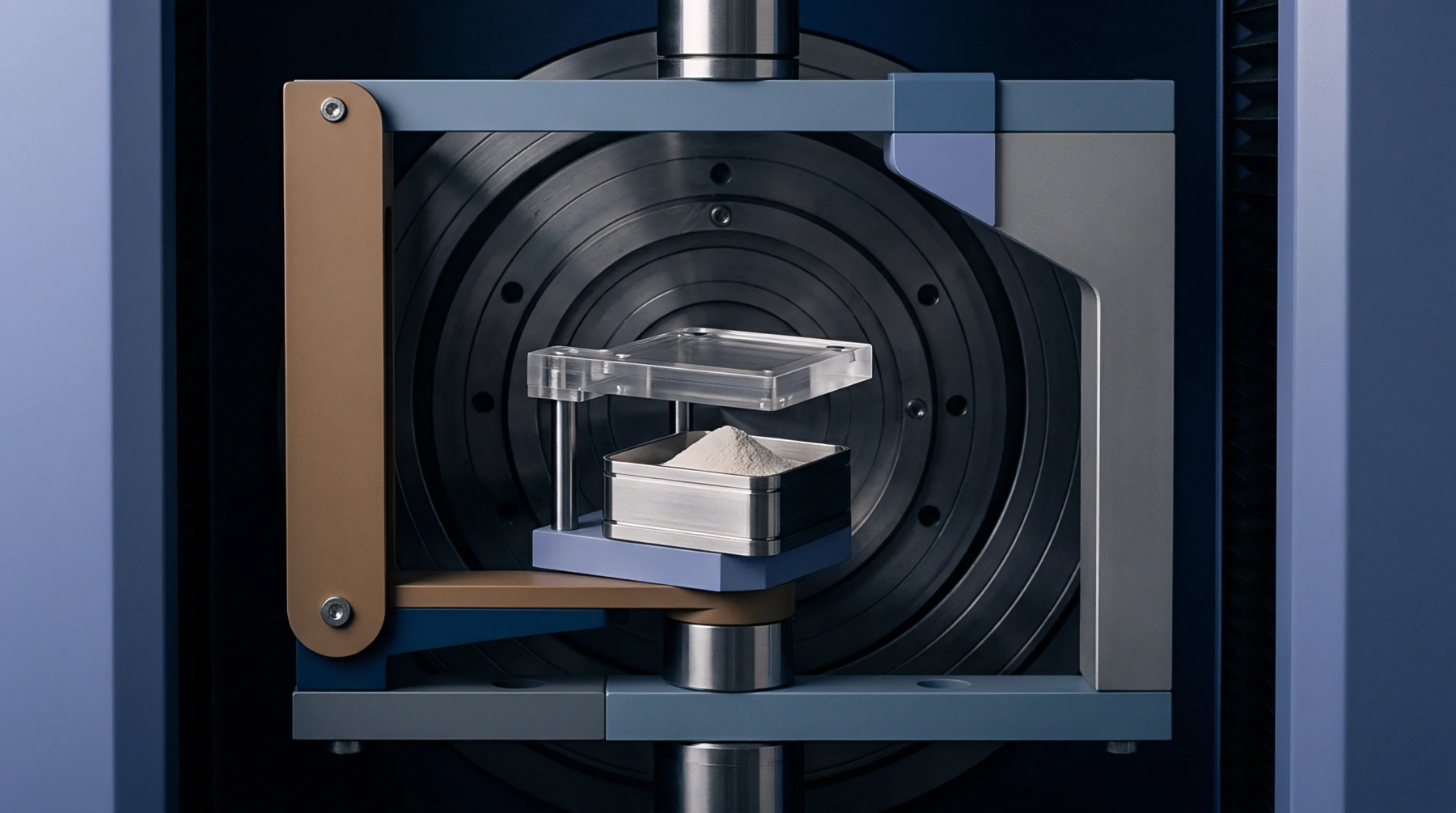
Analytical methods separate the individual components of a liquid mixture by passing it through a column packed with a stationary phase. Utilizing liquid chromatography allows polymer scientists to isolate and identify additives, plasticizers, and oligomers within a compound resin. This analysis is fundamental for reverse-engineering competitor compounds and for verifying that food-grade polymers do not contain banned chemical substances.
Separation Technique
Separation occurs based on the differing affinities of the sample components for the mobile and stationary phases. As the dissolved polymer sample is pumped through the column under high pressure, each additive travels at a different speed and emerges at a distinct time. This retention time is compared against reference standards to identify the chemical compounds present in the formulation.
Polymer Characterization
Processing additives like heat stabilizers and slip agents are present in very small percentages but are critical to the molding process. Liquid chromatography enables the precise quantification of these additives, ensuring that the virgin resin matches the supplier’s specification. This quality check is essential before starting a long production run that could be disrupted by variations in additive concentrations.
It prevents processing issues such as mold deposit or poor release of the part from the mold cavity.
Chemical Profiling
Recycled plastics can contain unknown contaminants that affect both processability and part safety. Running a chromatographic scan on regrind material identifies these foreign substances, allowing the molder to adjust the process or reject the batch. This analytical control is vital for maintaining part quality when integrating post-consumer recycled resins into production.