
Mechanisms of Polymer Degradation and Migrant Transport in Recycled Packaging
Mechanical recycling creates low-molecular-weight degradation products whose migration into food simulants requires batch verification and challenge-tested barriers.
Mechanical recycling creates low-molecular-weight degradation products whose migration into food simulants requires batch verification and challenge-tested barriers.

Surrogate response factors vary by four orders of magnitude in electrospray screening, requiring conservative statistical multipliers for valid risk decisions.

Analytical evaluation thresholds set mathematical peak cutoffs in mass spectrometry screening to trigger toxicity reviews for unknown migrants.

Analytical screening validates supplier disclosures by identifying degradation products and non-intentionally added substances before market placement.

Quantifying NIAS in chemically recycled polyolefins requires high-resolution mass spectrometry screening against TTC thresholds and verified migration data per batch.

Verify laminate declarations by checking finished layer chemistry, primary aromatic amine cure completion, and simulant test parameters against batch lots.

European food contact compliance requires validating overall and specific migration limits using designated simulants, geometric ratios, and traceable dossiers.

Parameterizing diffusion coefficients in multi-layer barrier audits relies on calibrated Piringer parameters and explicit boundary condition validation.

High-resolution screening identifies unlisted food contact migrants to clear non-intentionally added substances below ten micrograms per kilogram.

Assigning non-intentionally added substances to Cramer tiers determines analytical screening limits, where Class III migrants require migration caps under 90 ppb.

Standardizing toxicological thresholds for unidentified photoinitiator degradants requires untargeted HRMS screening tied to strict TTC exposure caps.

Validating GC-MS workflows for postconsumer polyolefin migrants requires matrix-matched calibration, accurate mass deconvolution, and response-factor adjusted screening.

Screening benzophenone in recycled polyolefin resins requires solvent extraction, GC-MS/MS quantification, and diffusion modeling to prove migration safety.

Quantify polyolefin saturated oligomers using capillary GC-FID integration calibrated against n-alkanes after silica cleanup to isolate non-polar migrateables.

Evaluating oligomer migration in polyethylene packaging requires measuring C12-C45 POSH fractions via HPLC-GC-FID against specific migration limits.

Uncertainty propagation in non-target screening requires combining recovery bias, mass drift, and response factor variance into expanded concentration bounds.

Non-intentionally added substance quantification requires high-resolution mass spectrometry screening paired with toxicological threshold evaluation for safe compliance.

Determining non target screening thresholds requires deriving analytical detection limits from toxicological thresholds divided by GC and LC response uncertainty factors.
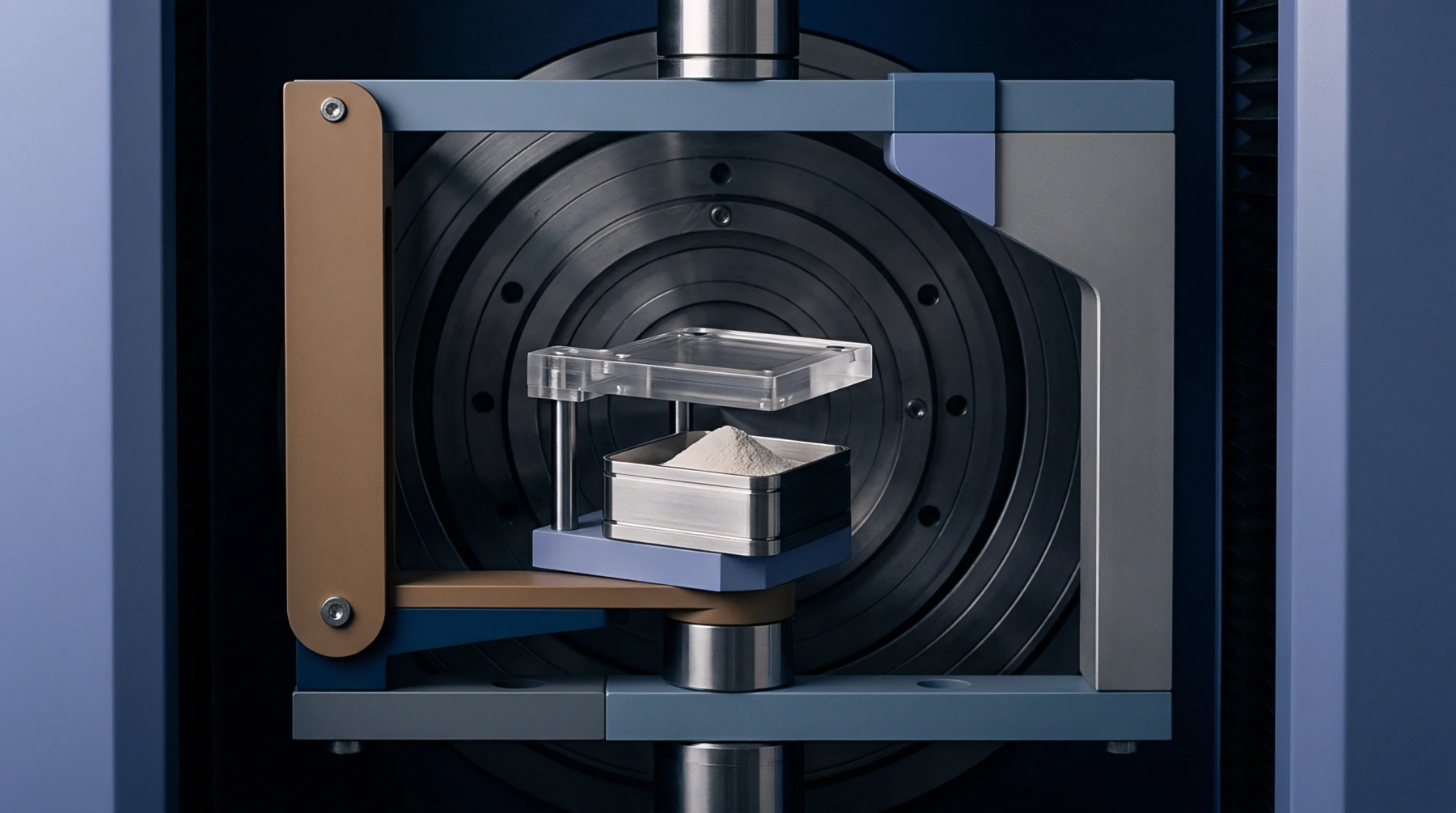
Preparative TREF combined with high-temperature SEC isolates and quantifies migrating sub-1000 Da polyolefin oligomers to verify food contact safety compliance.

Polyolefin migration compliance requires batch-specific testing for low molecular weight hydrocarbons using accredited simulants, exact temperatures, and GC-MS.

Automated deconvolution masks co-eluting NIAS below 10 ppb, making raw ion alignment mandatory before signing food contact migration compliance declarations.

High resolution mass spectrometry quantifies recycled packaging contaminants through matrix-matched response factors and structural threshold exposure modeling.
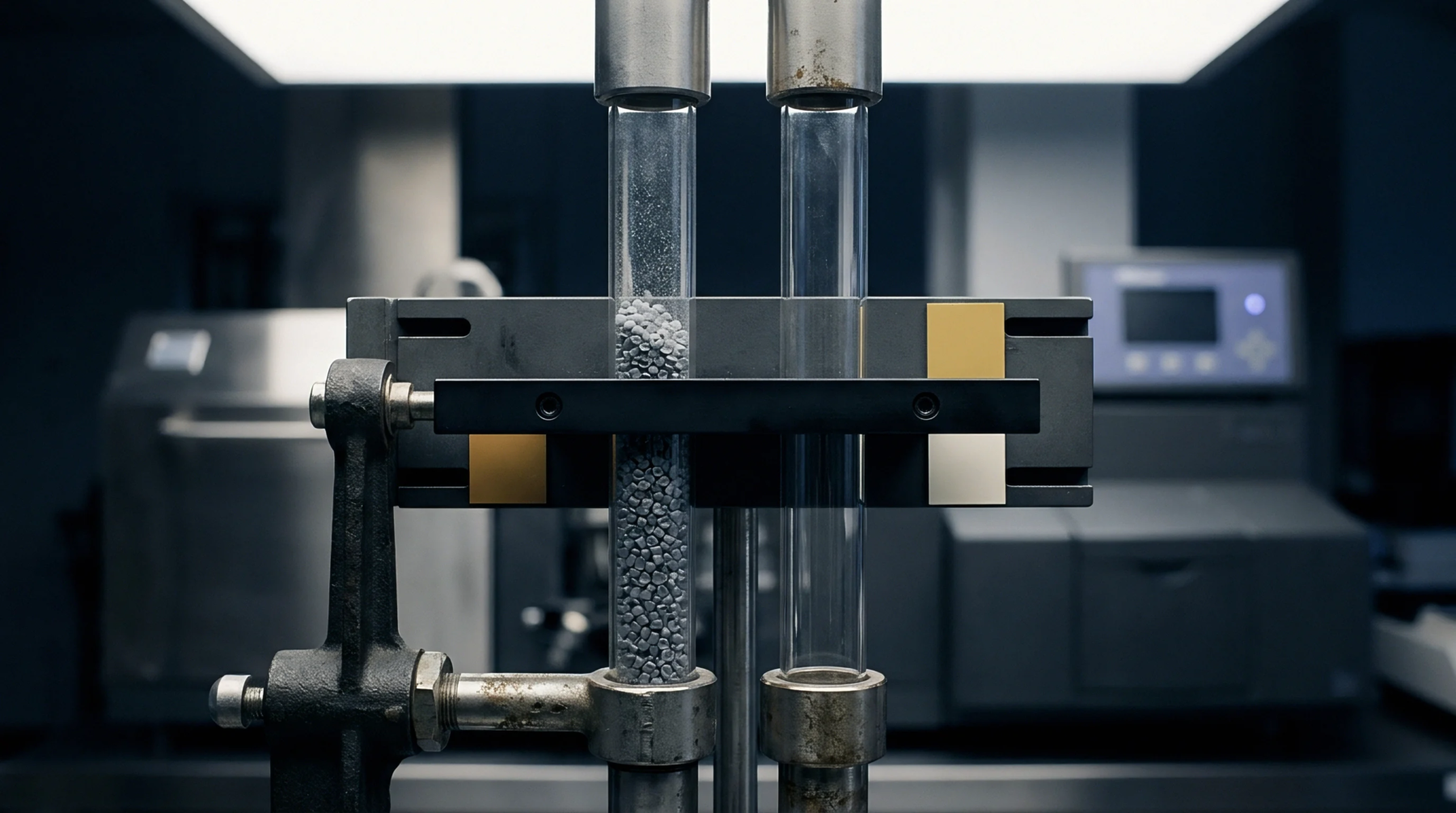
Screening recycled polyolefins via chromatography and toxicological thresholds isolates unlisted migrant degradation products below ten parts per billion.

Decontaminated HDPE migration compliance relies on temperature-dependent Fickian diffusion models parameterized by matrix density and surrogate mass.
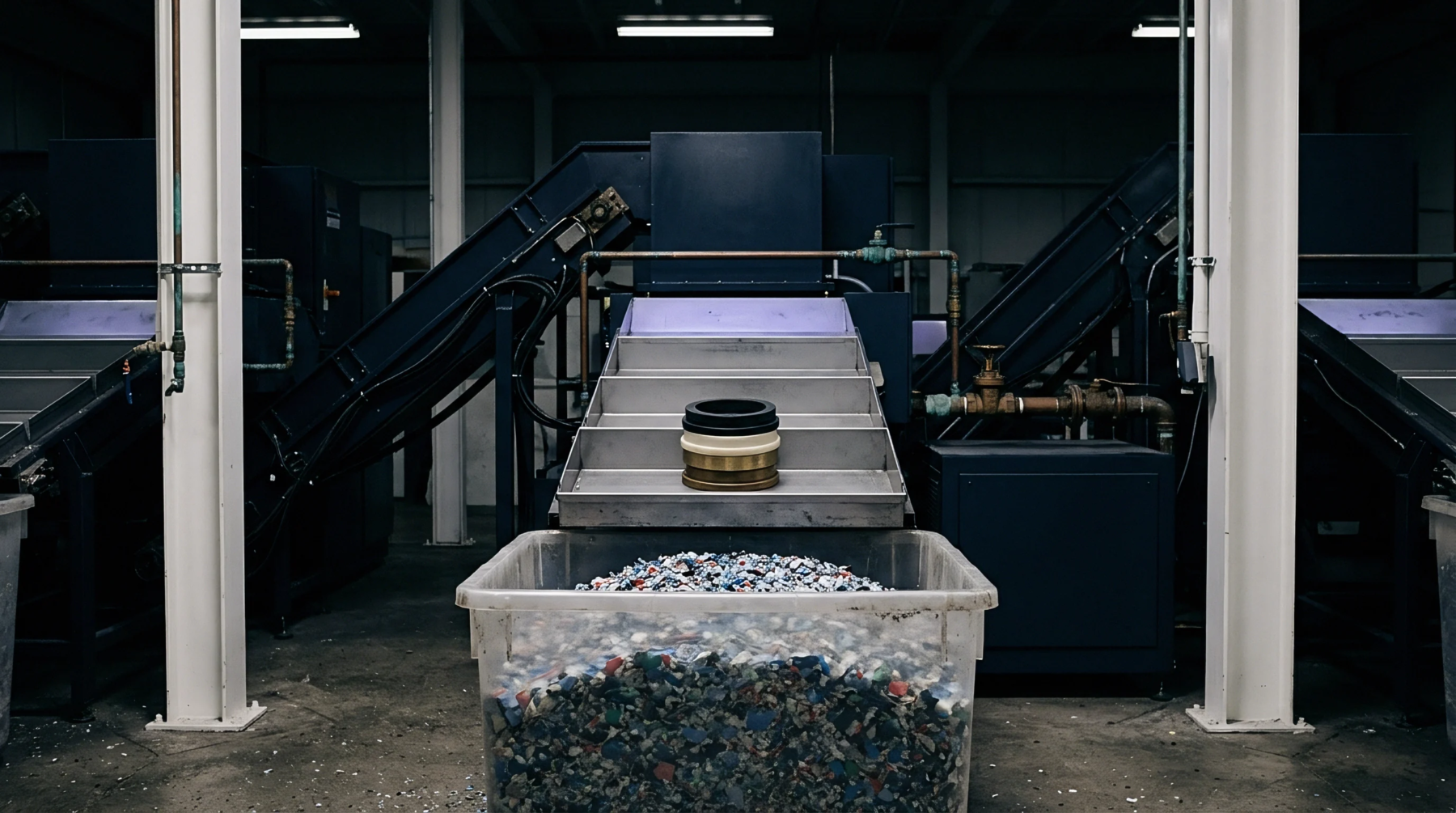
Surrogate selection for polyolefin challenge testing requires five distinct volatility and polarity classes to validate core matrix decontamination.

Reconciling masterbatch dosages with specific migration limits requires calculating active concentration, accounting for thermal loss, and verifying compliance by testing.

Auditing converter food contact declarations requires cross-referencing batch test reports, simulant conditions, dual-use additives, and NIAS screening data.

Visbroken polypropylene risks organoleptic contamination and thermal degradation; verify residual peroxide, NIAS limits, and OIT before food contact use.

Ionization efficiency models eliminate thousand-fold semi-quantitative errors in untargeted packaging screening, ensuring defensible non-intentionally added substance compliance.

Validating post-consumer polyolefin decontamination requires LC-HRMS screening of non-volatile oligomers paired with high-molecular-weight surrogate challenge testing.
Expertise is a utility, not a secret. sentiention™ publishes its working knowledge as open reference: intelligence layer covering the materials it sources, the markets it enters, and the reference that serves both.