Meaning
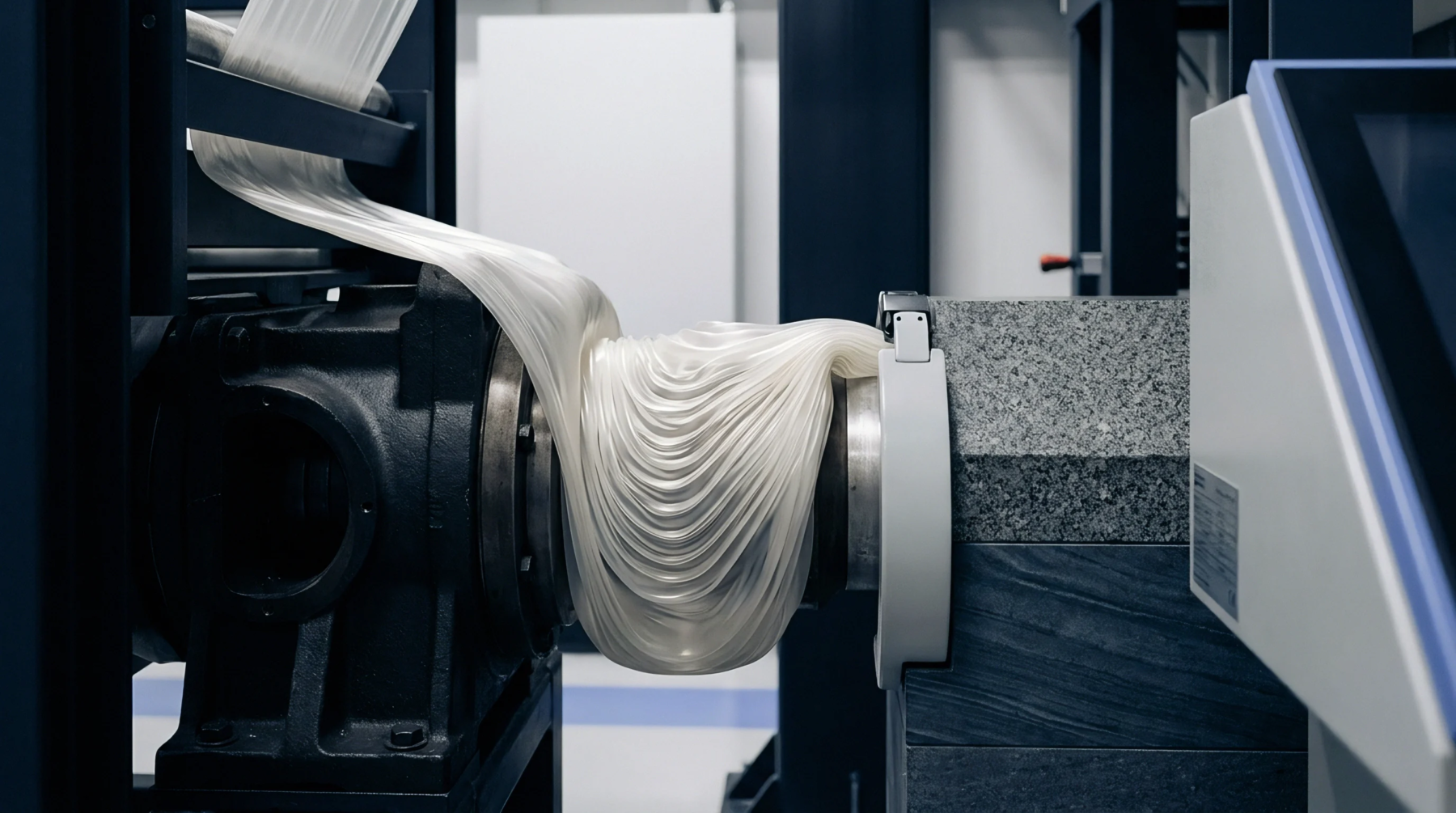
Chemical scission of polymer chains occurs during thermal degradation. This process happens when heat breaks covalent bonds within a resin structure, causing a decrease in molecular weight and shifts in physical properties. High processing temperatures or excessive residence time within a heated barrel trigger the breakdown.
The stability limit for a specific grade marks the boundary where chain scission outpaces stable processing. Extrusion and injection moulding rely on maintaining melt temperatures below this threshold to preserve structural integrity. When chains rupture, mechanical strength drops and volatile organic compounds evolve.
A plastic material maintains its design specifications until the energy input forces an irreversible reduction in chain length and molecular weight during the plasticisation stage of production.
Chemical Stability
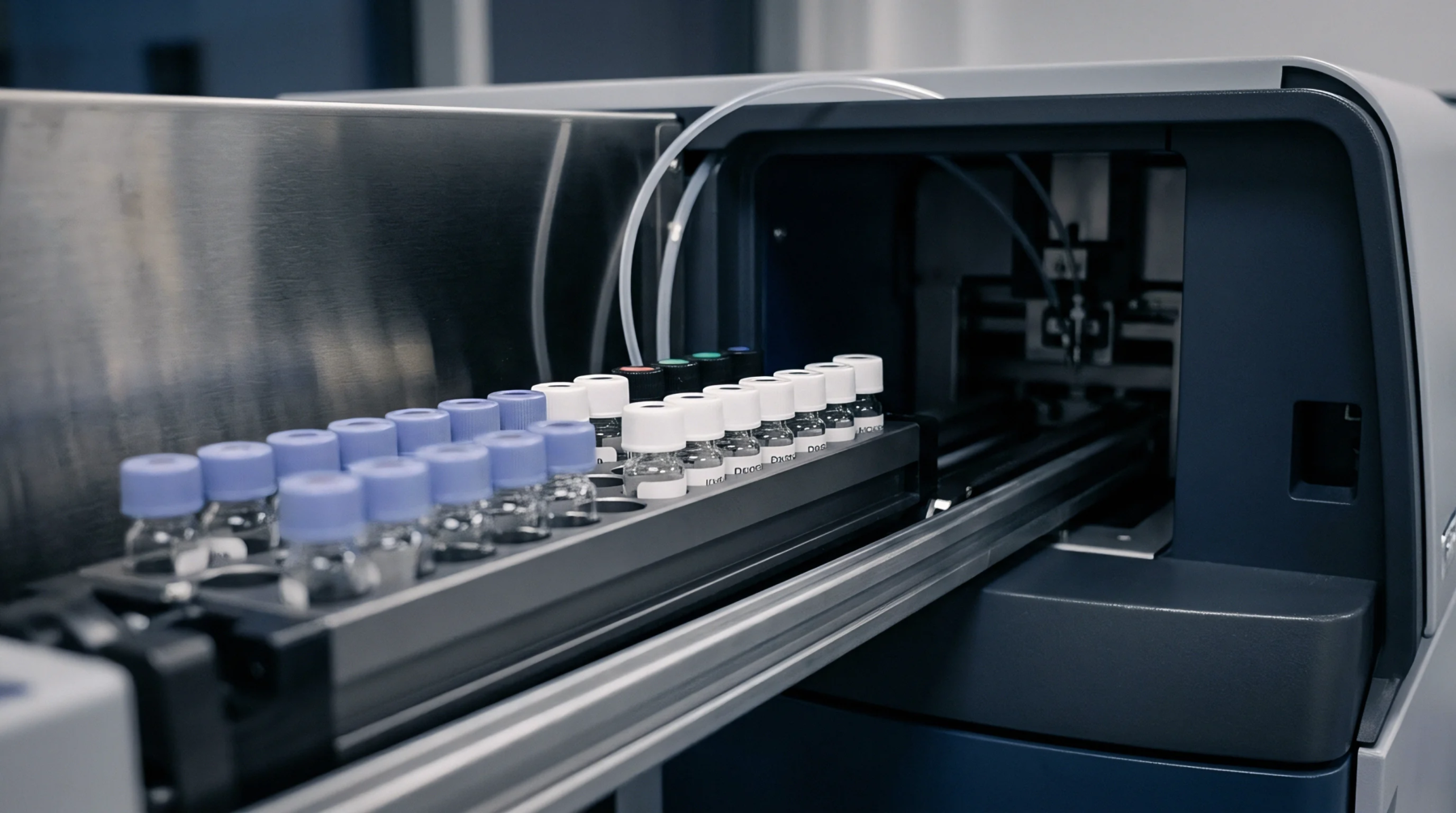
Stability analysis tracks how thermal degradation affects the structural composition of a resin during high temperature exposure. Manufacturers provide a technical datasheet with a maximum operating temperature, yet this value represents a laboratory baseline rather than a moulder’s reliable ceiling. A moulder encounters practical limits defined by the residence time in the screw and the shear heat generated during flow.
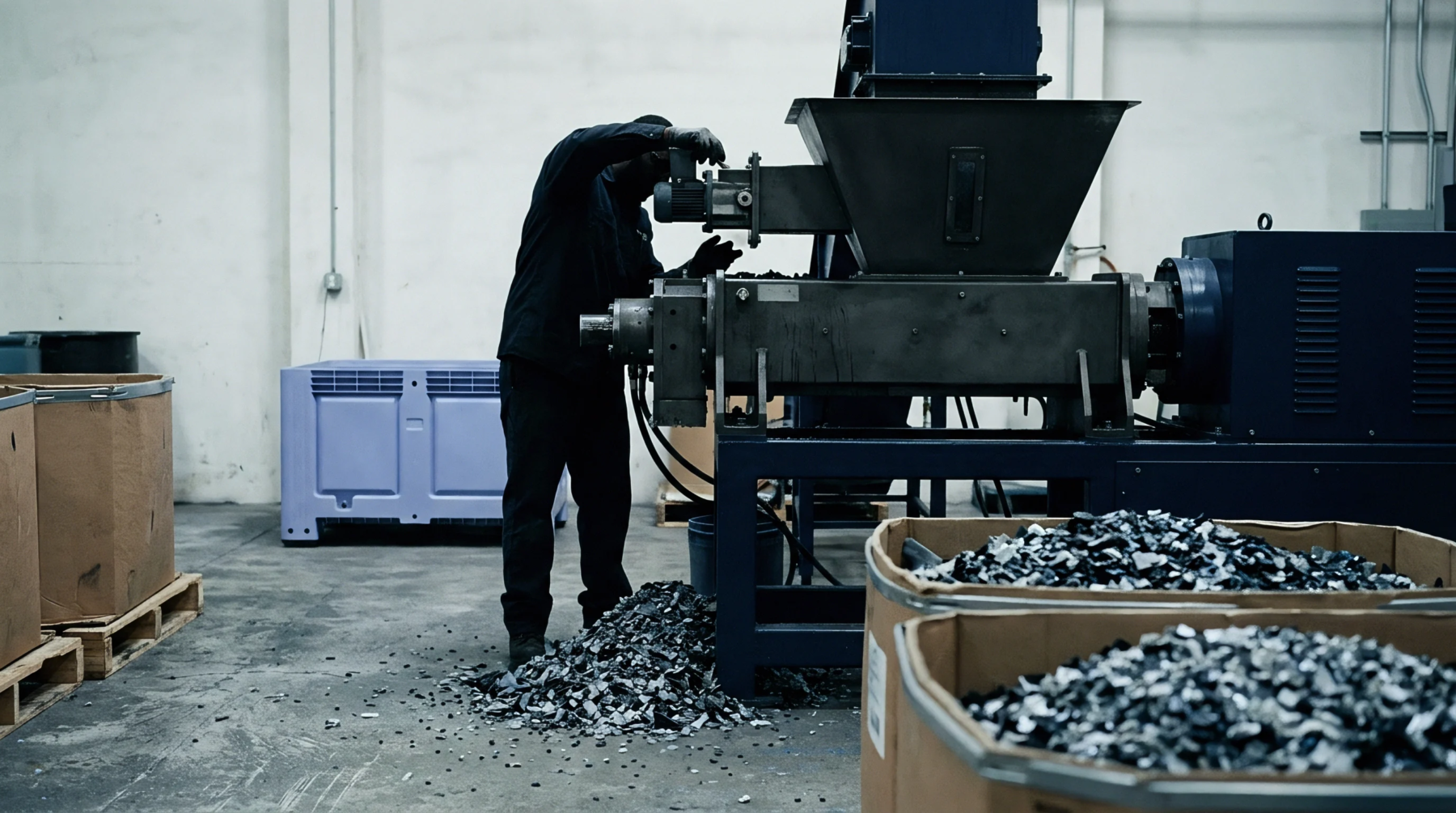
Virgin material resists initial breakdown well, whereas regrind shows higher sensitivity because heat history already exists in the chain structure. Each pass through a heated environment adds to the cumulative damage, leading to yellowing, loss of tensile strength, and brittleness in the moulded component. Material specifications verify molecular weight retention, while part specifications monitor the functional performance of the finished object under service loads.
Process Dynamics
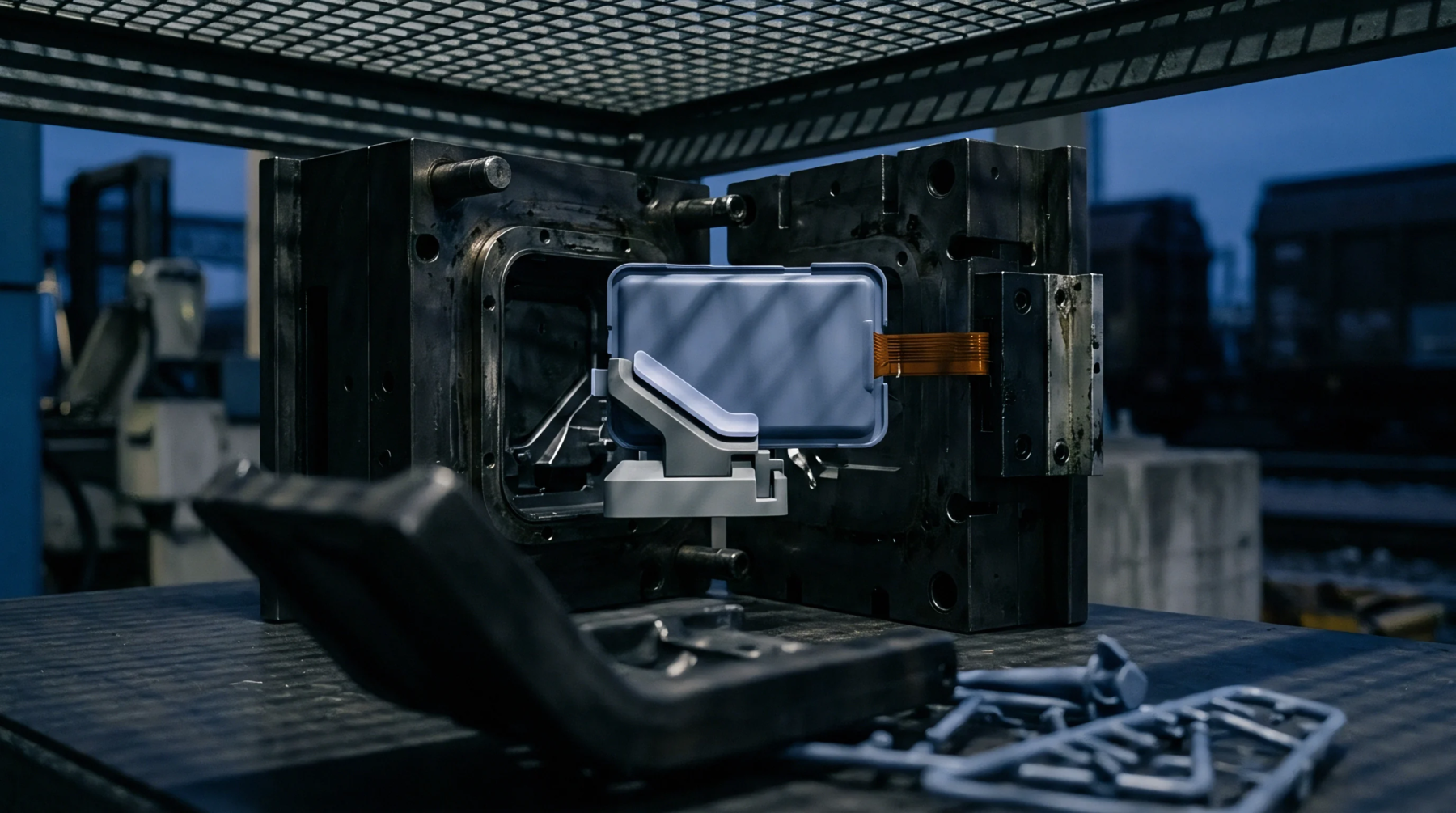
Injection moulding setups often produce thermal degradation if the screw geometry fails to move material at a consistent rate. Dead zones in the flight design trap resin against hot metal surfaces for too long. These spots allow polymer molecules to overheat even when the overall setpoint stays within a safe range.
Sensors show the bulk melt temperature, but local hotspots near the heater bands cause discrete chemical changes. Gas formation from these regions creates voids or surface streaks on the finished part. Pressure spikes inside the barrel indicate that high viscosity changes occurred, or that carbonised chunks of burned plastic obstruct the nozzle.
Effective heat control keeps the resin moving to ensure the thermal energy applied remains uniform throughout the entire cycle.
Economic Consequence
Operational costs rise when thermal degradation forces an adjustment in production parameters. Rejection rates for discoloured or brittle parts reduce the yield per hour, pushing up the unit cost of every salable item. Using a higher percentage of regrind increases the danger because the material already possesses a reduced processing window.
Processors pay more for additives like stabilisers to widen this window, yet additives cannot reverse the breakage of bonds once the chemical process starts. Scrapping parts due to poor mechanical test results represents a total loss of material and energy investment. Machine downtime required to purge degraded residue from the screw adds further expense to a production run.
Stable control over thermal variables prevents the excessive waste of raw material during conversion.