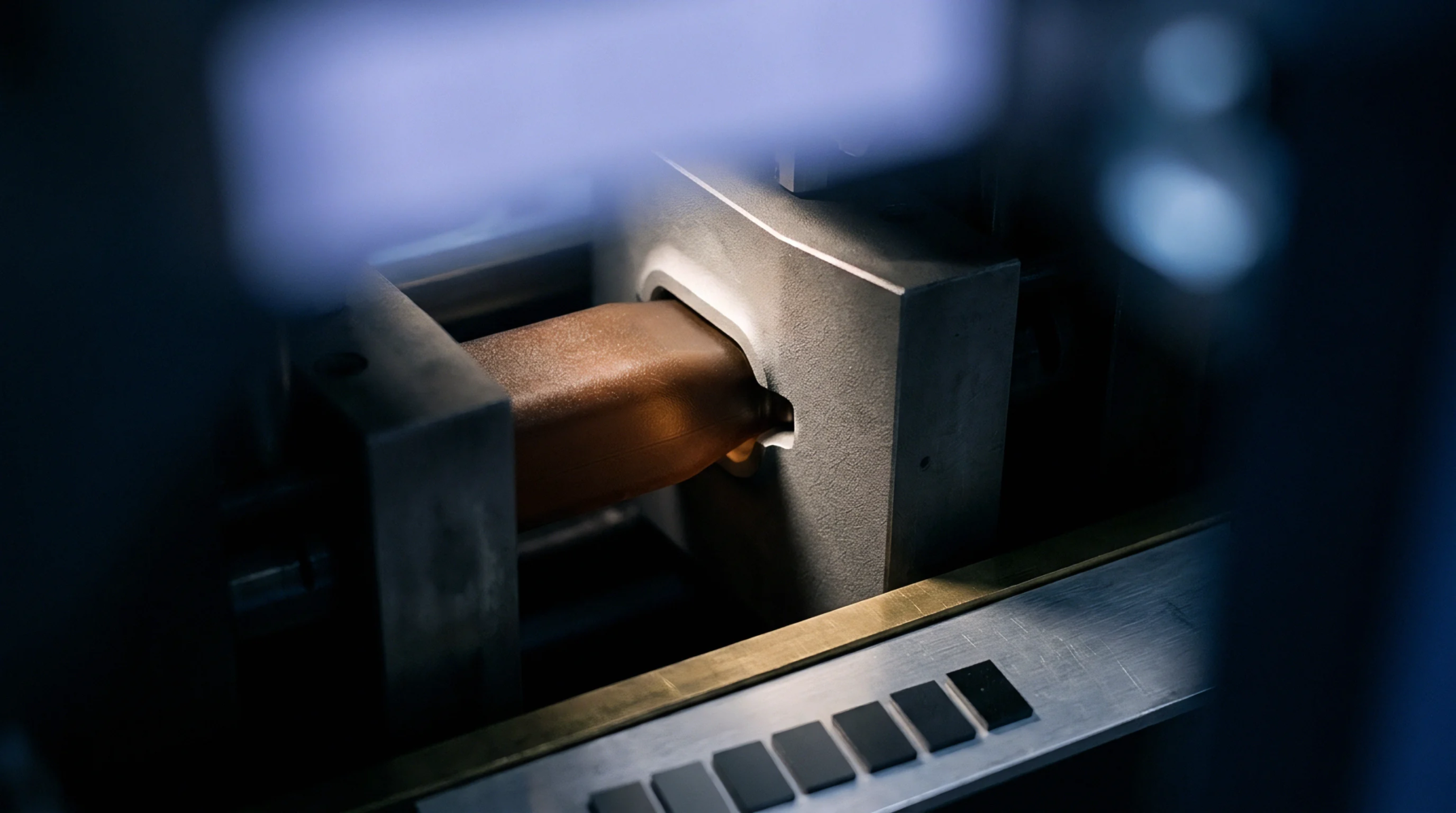
Calculating Thermal Expansion and Clamping Loads in High Cavitation Moulding
Calculated thermal expansion along tool plates dictates guide pin clearances and shut-height clamp adjustments required to prevent parting line damage.
Calculated thermal expansion along tool plates dictates guide pin clearances and shut-height clamp adjustments required to prevent parting line damage.
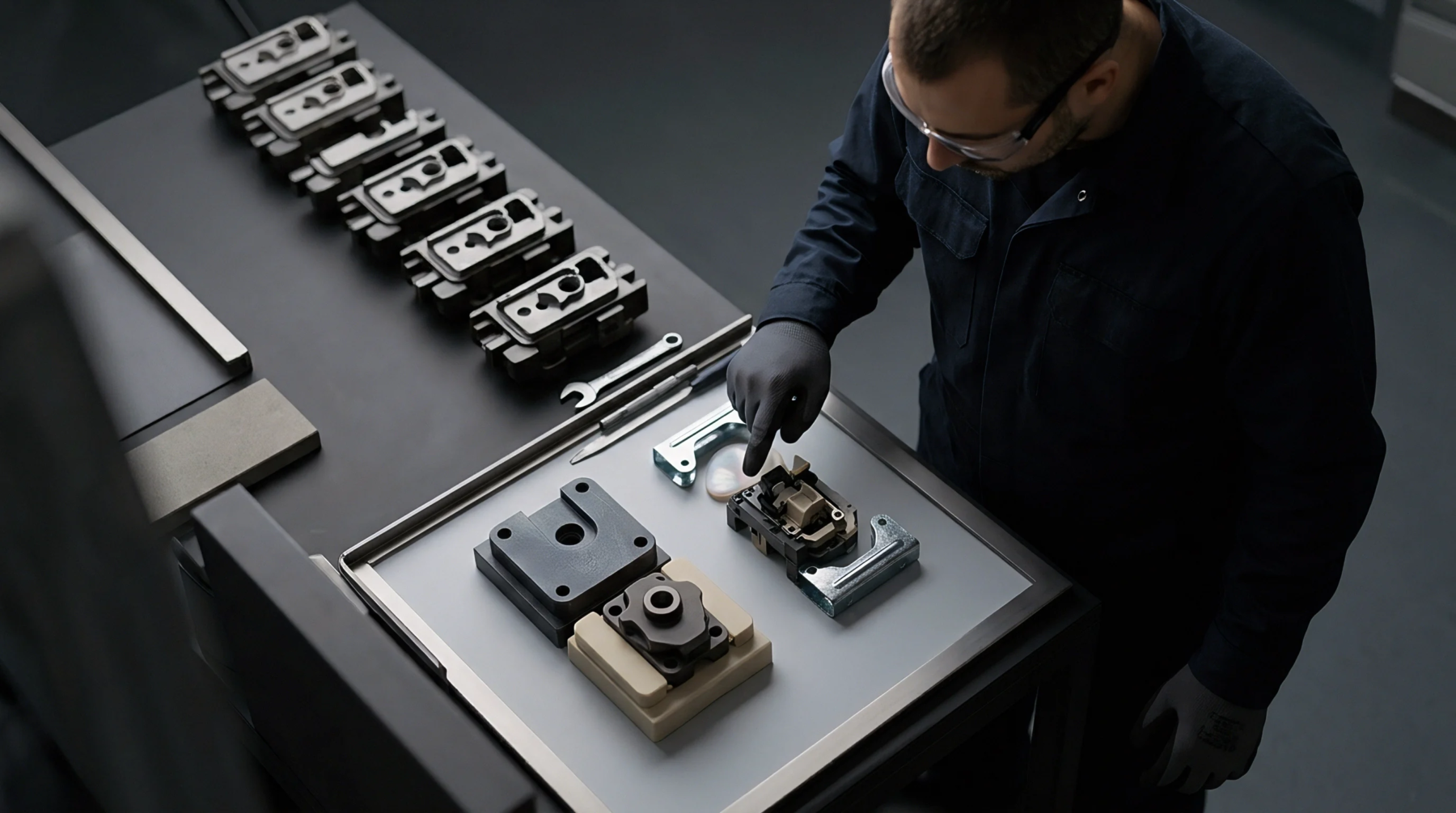
Dynamic micro-tooling expansion limits sit at 0.3 micrometers, bounded by transient core heat spikes, clamp flexure, and interferometer sensor housing drift.
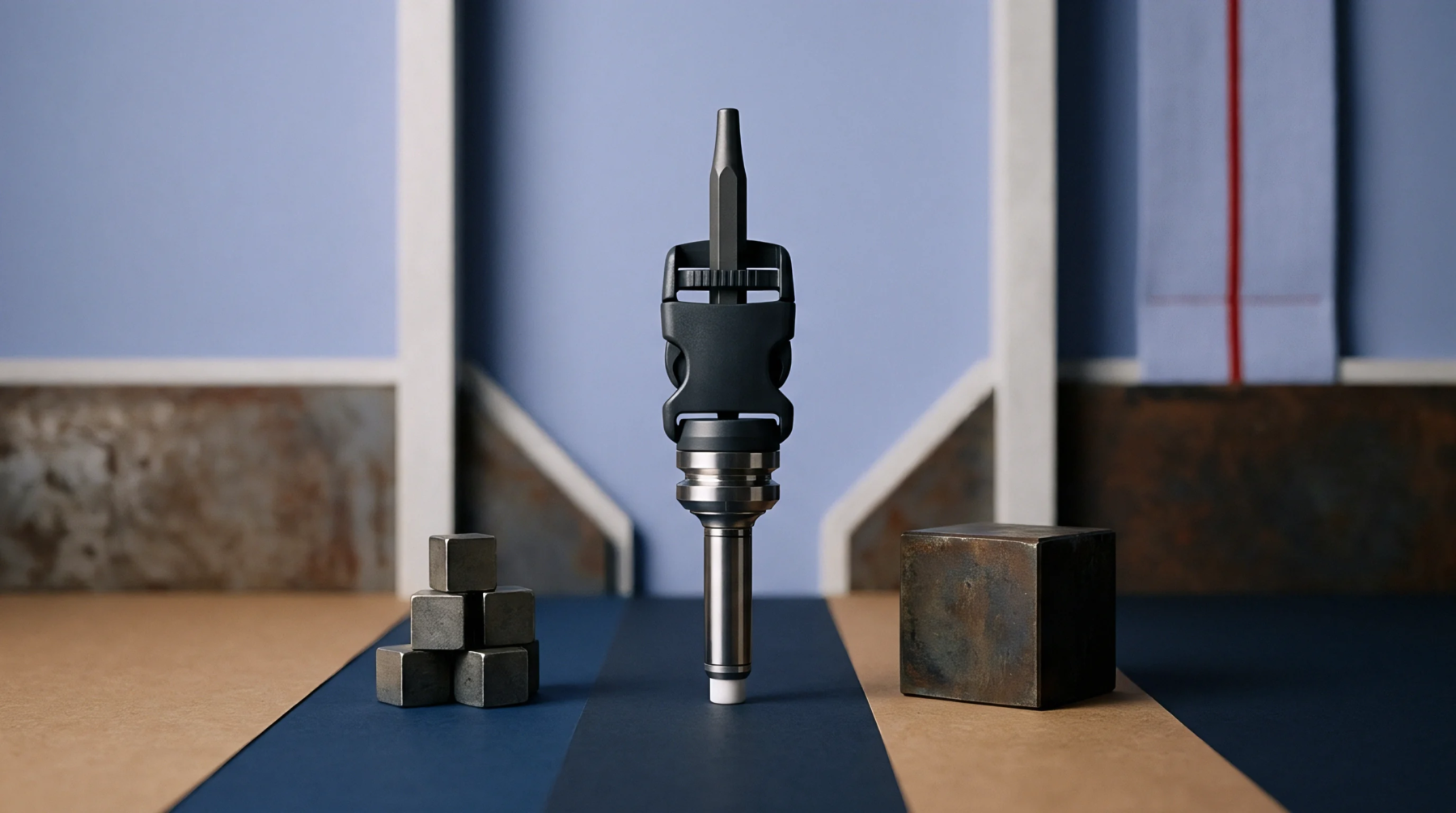
Engineered cold pitch offsets prevent valve tip shear, flash, and nozzle leakage in multi cavity manifolds operating at elevated molding temperatures.
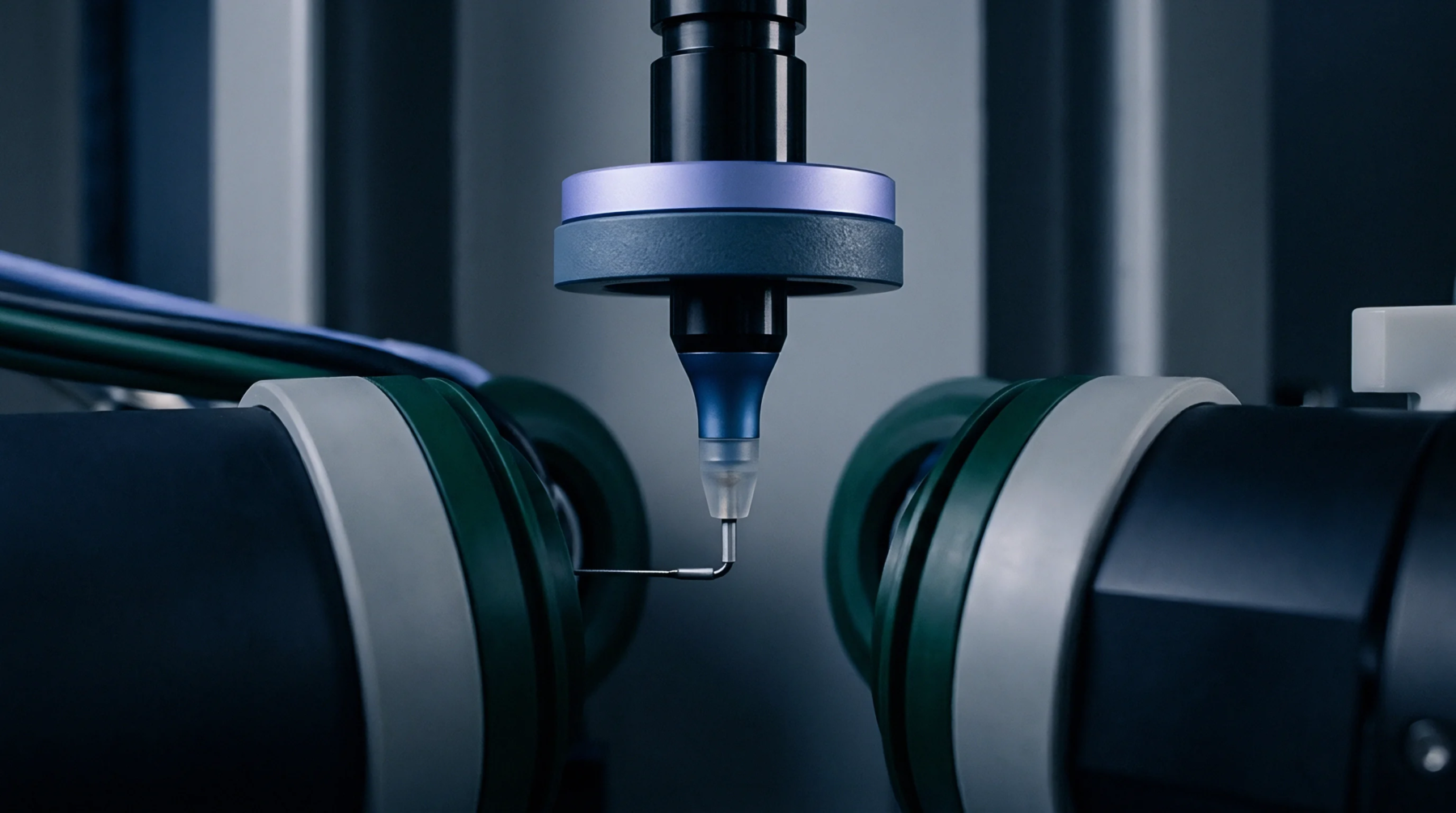
Sub-micron micro molding tooling requires preloaded rolling alignment, rigid pocket seating, and tight thermal regulation to hold sub-five-micrometer part tolerances.

Secondary tooling nests for glass-filled polyamide accommodate anisotropic shrinkage through floating datum pins aligned with transverse contraction vectors.
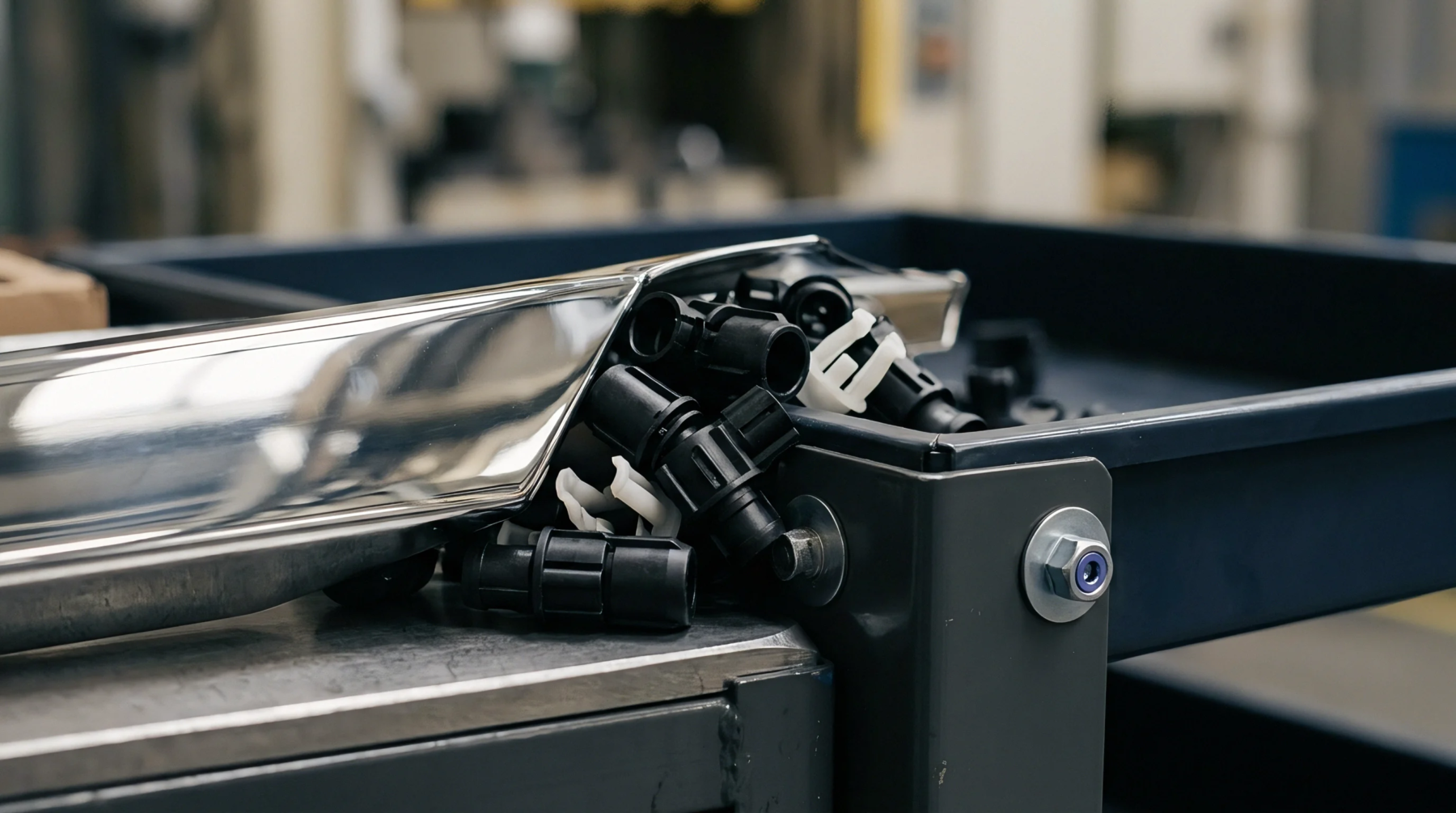
Differential thermal expansion on angled tool shut-offs demands precise cold-bench clearance relief to prevent parting line galling under clamp tonnage.

ISO 1183 density testing determines customs tariff lines under Chapter 39; accurate classification demands exact fluid temperature control and plaque molding.

Calculate multi cavity parting line preload by balancing machine clamp force against internal hydraulic separation force to maintain positive shut-off land sealing stress.
Expertise is a utility, not a secret. sentiention™ publishes its working knowledge as open reference: intelligence layer covering the materials it sources, the markets it enters, and the reference that serves both.