
Thermal Stability and Melt Processing Rules for Polyhydroxyalkanoate Resins
Polyhydroxyalkanoate processing demands strict moisture control below 200 ppm and residence times under three minutes to prevent cis-elimination chain scission.
Polyhydroxyalkanoate processing demands strict moisture control below 200 ppm and residence times under three minutes to prevent cis-elimination chain scission.
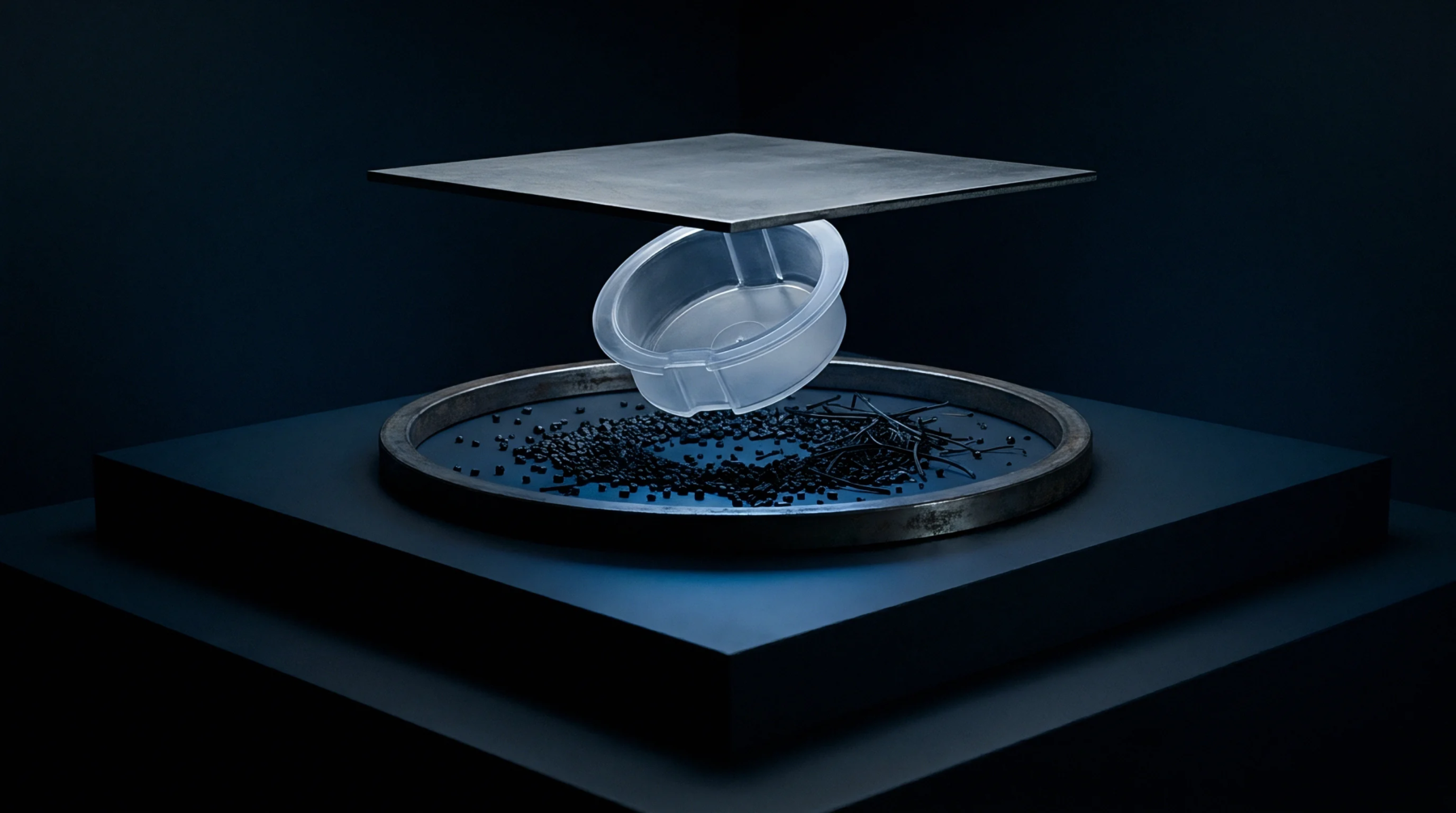
Residual moisture above 50 ppm hydrolyzes rPET melt within seconds, dropping intrinsic viscosity and causing brittle part failure that exceeds drying power costs.

Intrinsic viscosity loss in reprocessed PET flake is quantified by dilute solution viscometry using ASTM D4603 to prevent structural failure in preforms.
Hydrolytic degradation thresholds require drying virgin polyesters below 0.02 percent and polyamides below 0.10 percent water before melt processing.
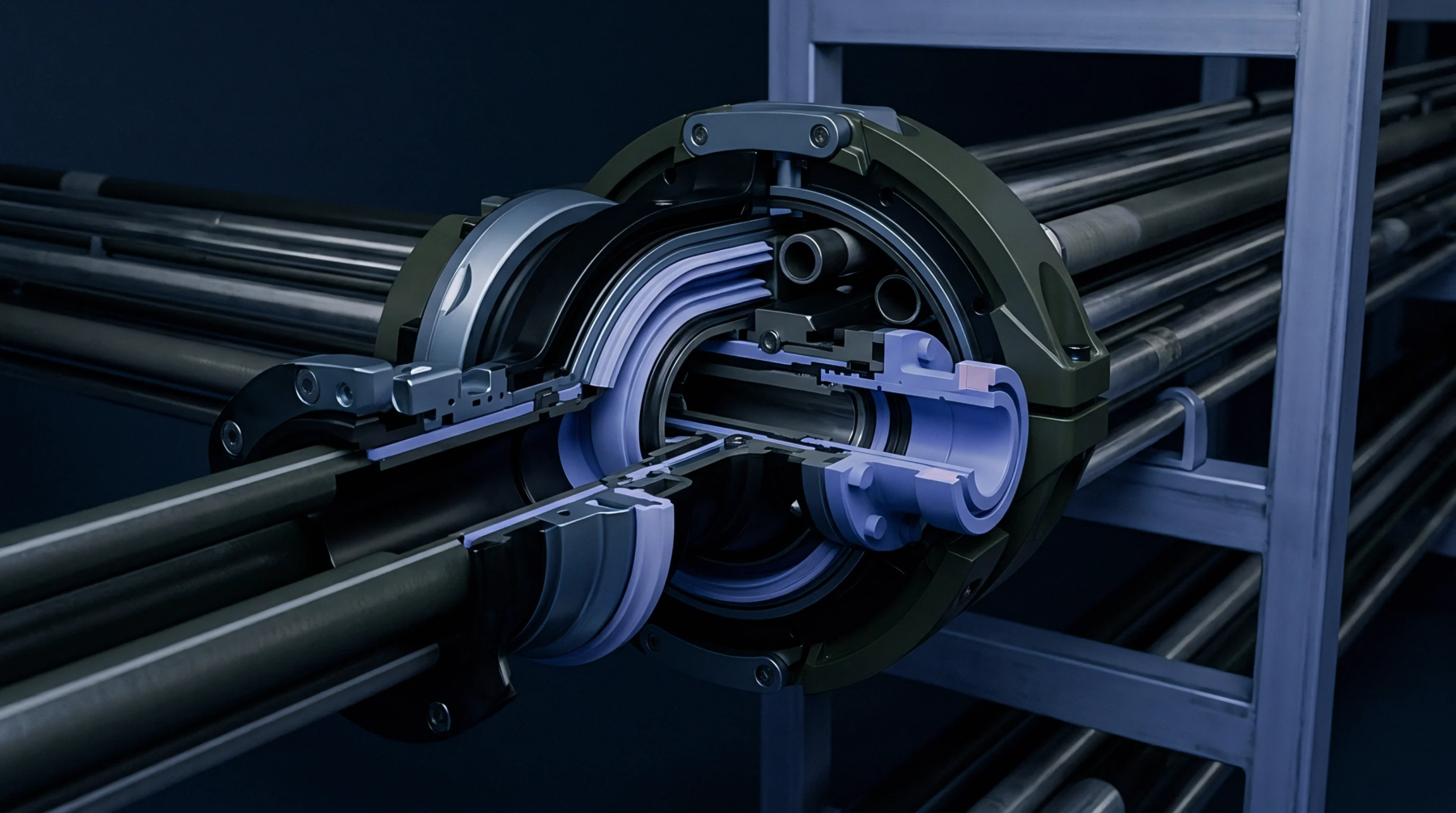
Controlling micro-zone hydrolytic degradation in PET extrusion requires suppressing boundary-layer moisture below 30 ppm and limiting local shear heating spikes.

Solid-state ester transesterification reaches absolute thermodynamic limits when glycol partial pressure matches local chemical potential in amorphous channels.
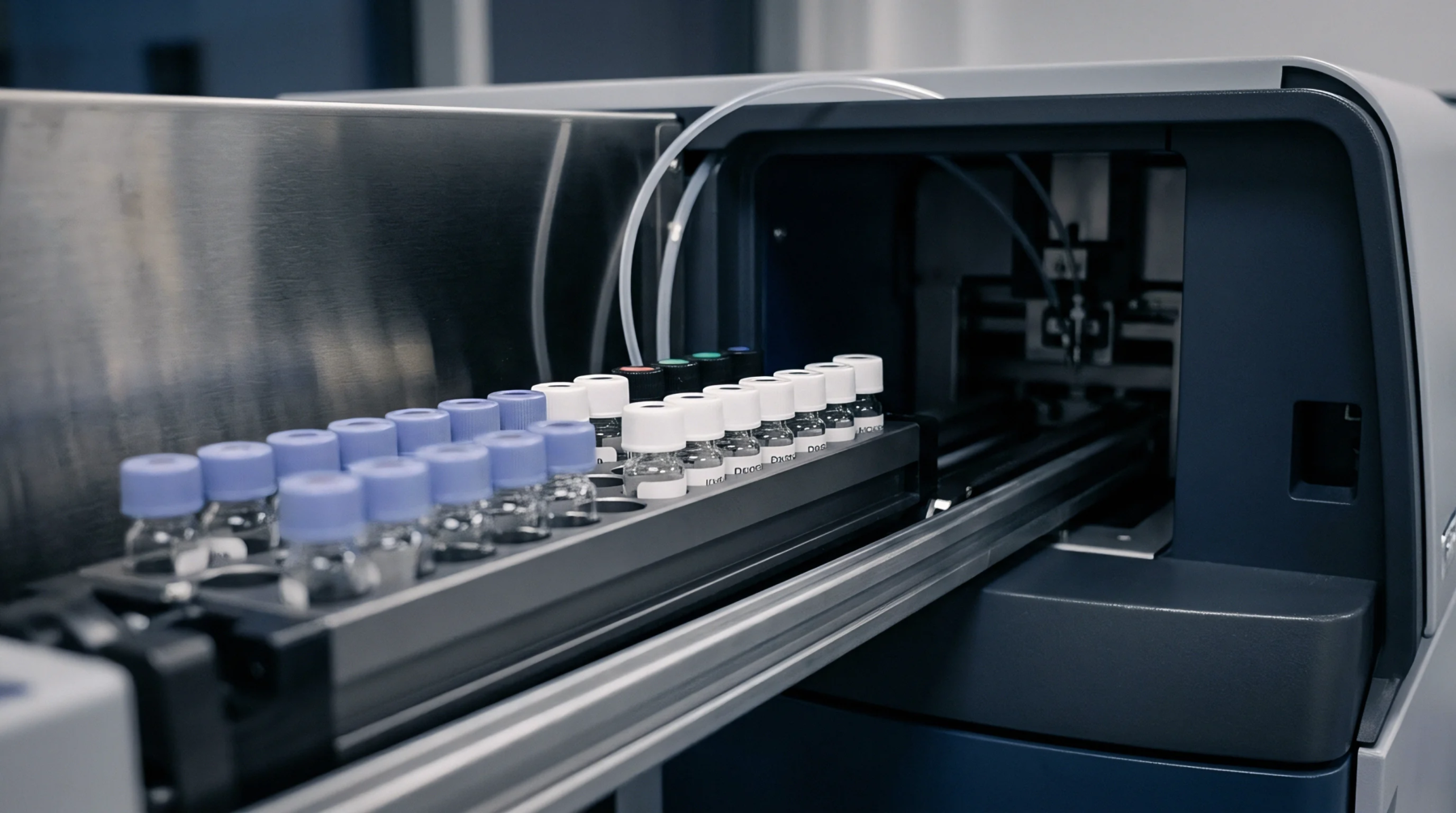
Cross-border recyclate contracts fail when test protocols omit equipment calibration, sample preparation, and moisture-proof sampling methods across jurisdictions.
Contractual risk allocation for reprocessed resin requires rigid specification bounds, quarantine controls, and clear price deduction mechanics.
Expertise is a utility, not a secret. sentiention™ publishes its working knowledge as open reference: intelligence layer covering the materials it sources, the markets it enters, and the reference that serves both.