
Determining Antioxidant Depletion Thresholds in Recycled Polypropylene Extrusion Processing
Oxidation induction time testing at 200 °C establishes true additive depletion in recycled polypropylene before melt processing causes chain scission.
Oxidation induction time testing at 200 °C establishes true additive depletion in recycled polypropylene before melt processing causes chain scission.

Thermal conditioning and standard thermal history resets eliminate density drift errors, securing accurate mold shrinkage during polyethylene resin converting.

Coulometric thermal desorption isolates bound water from organic volatiles in rPET flake, enabling precise incoming quality control and preventing hydrolytic degradation.

Temperature-stepped vaporization coulometry isolates physical water desorption from catalytic transesterification to ensure accurate low-ppm moisture determination.

Desorption testing above 160 C triggers solid phase transesterification, generating chemical water that falsifies polyester moisture readings and causes under-drying.
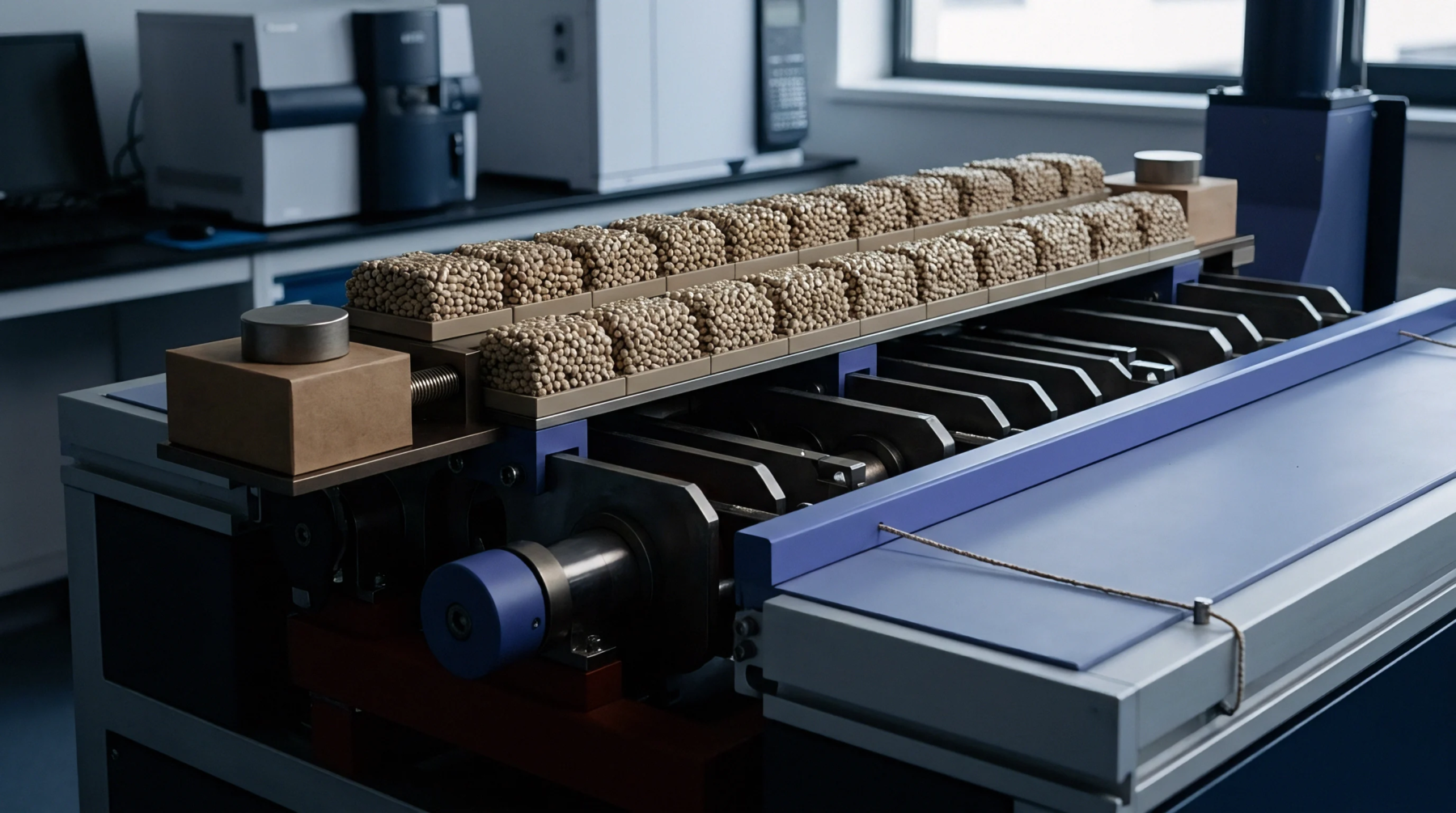
Infrared spectroscopy identifies contaminant chemistries while differential scanning calorimetry quantifies polymer blend fractions and thermal degradation state.

Melt flow rate fails to catch high-shear viscosity drift in dynamic feedstocks, requiring capillary rheology and inline pressure monitoring to control scrap.

Enforceable recyclate compliance claims demand silo quarantine protocols, ASTM D6866 chemical verification, and un-capped indemnity clauses offsetting regulatory fines.

Undeclared regrind degrades melt stability and impact strength; verify batch history using melt flow rate delta and oxidative induction time limits.

Delivered resin moisture guarantees require coulometric Karl Fischer verification under ISO 15512 Method B1 paired with machine downtime chargeback clauses.

Antidumping duties reorder polymer shortlists when cash deposits, scope rulings, and customs reclassifications destroy the landed cost advantage of imported resin.
Expertise is a utility, not a secret. sentiention™ publishes its working knowledge as open reference: intelligence layer covering the materials it sources, the markets it enters, and the reference that serves both.