Meaning
Industrial process that breaks down waste polymers into their constituent monomers or basic hydrocarbon feedstocks through thermal or chemical depolymerisation. Chemical recycling converts post consumer plastic waste back into a liquid or gaseous form that can be used to produce virgin quality resin. This approach differs from mechanical recycling because it removes impurities, additives and colourants that typically degrade the properties of the material.
The process effectively resets the lifecycle of the polymer, allowing it to be reused indefinitely without a loss in performance. It reaches its boundary when the energy required for the conversion exceeds the environmental benefit of recovering the material.
Polymer Depolymerisation
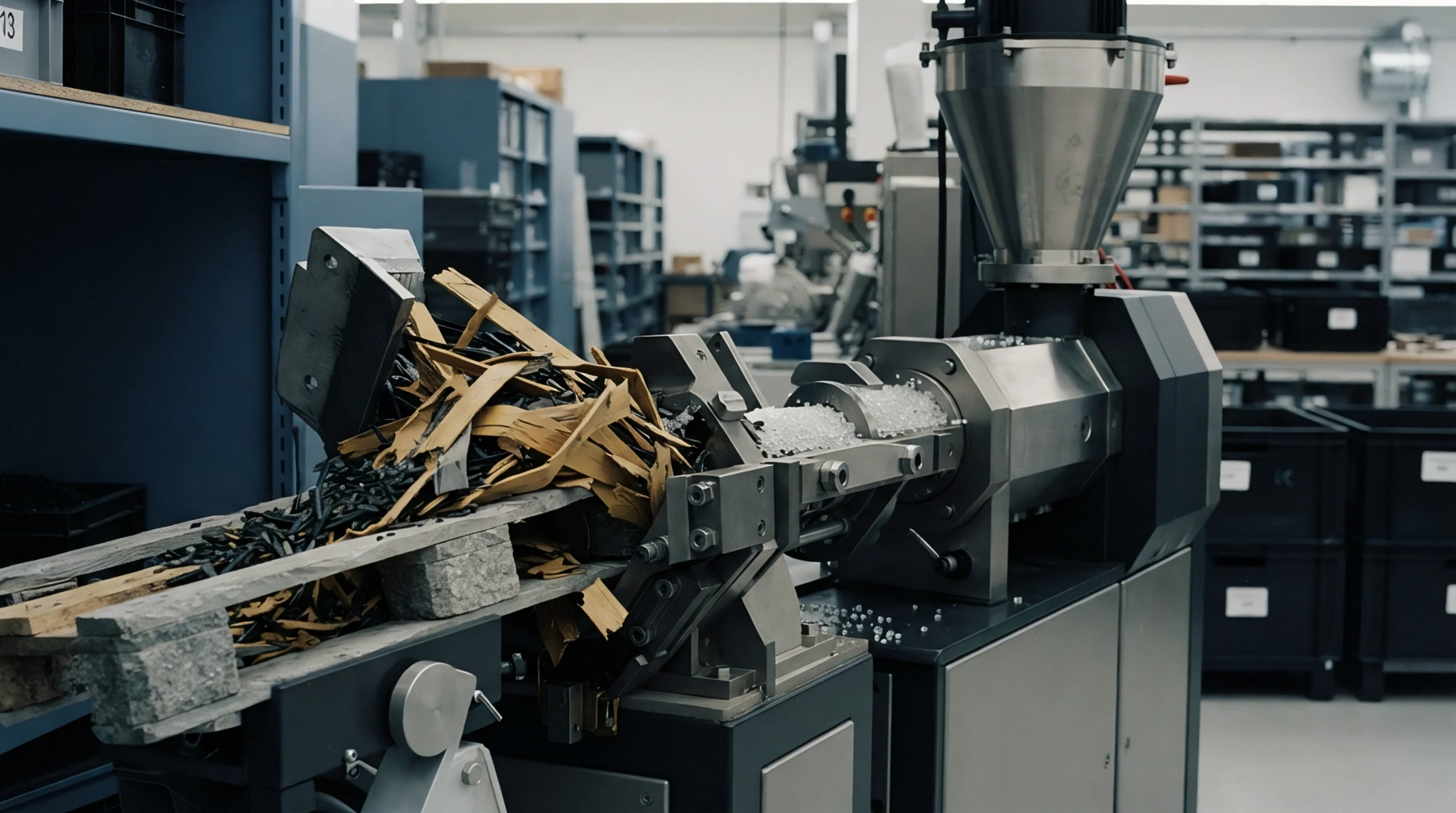
Heat and catalysts are used to break the long molecular chains of the polymer into smaller molecules. In a depolymerisation reactor, the bonds between the monomers are cleaved, returning the plastic to its original building blocks. This method is particularly effective for polyesters and polyamides, which can be easily broken down by hydrolysis or glycolysis.
The resulting monomers are then purified through distillation to remove any non polymer contaminants. Once the monomers reach a high degree of purity, they are repolymerised to create a new plastic resin. This resin is indistinguishable from material made from petroleum feedstocks and meets all the same food contact and medical certifications.
The ability to handle mixed or contaminated plastic streams makes this process an essential part of the circular economy.
Monomer Recovery
High yields of high quality feedstock are recovered from plastics that are traditionally difficult to recycle mechanically. While mechanical processes struggle with multi layer films or heavily pigmented parts, chemical recycling strips away everything but the base hydrocarbon. The recovered liquids can be fed directly into a steam cracker or a polymerisation reactor.
This flexibility allows for the creation of a closed loop system for complex packaging materials. Procurement teams value this process because it provides a source of recycled content that does not compromise the mechanical strength or clarity of the final moulded part. It also reduces the demand for virgin fossil fuels by substituting them with recovered molecules.
The economics of monomer recovery depend heavily on the scale of the facility and the cost of the waste collection.
Feedstock Purity
Refining the output of the recycling process ensures that the new resin contains no residues from the previous lifecycle of the plastic. Advanced filtration and separation techniques remove heavy metals, flame retardants and other hazardous additives that are often found in electronic waste or automotive parts. This high level of purity allows the recycled resin to be used in high performance applications like medical devices or thin wall packaging.
Standard mechanical recycling often leaves trace amounts of these substances, which limits the potential uses of the material. Chemical recycling provides a pathway for these difficult materials to remain in the production cycle. The final resin produced through this method carries a lower carbon footprint than its fossil based equivalent.
Every batch is tested to confirm that it meets the same stringent specifications as virgin polymer.