Meaning
Liquid hydrocarbon mixture produced by heating waste plastics in the absence of oxygen to serve as a substitute feedstock for the production of new resins. Pyrolysis oil is the primary output of chemical recycling and provides a way to recover value from plastic waste that is difficult to recycle mechanically. This oil can be refined and fed into a steam cracker to create virgin quality monomers for the production of new polymers.
By using this oil as a replacement for petroleum based naphtha, manufacturers can create a closed loop system for plastic materials. The process reduces the demand for fossil fuels and keeps plastic waste out of landfills and the environment. It is the key to achieving true circularity for complex multi layer packaging and contaminated plastic streams.
Thermal Conversion
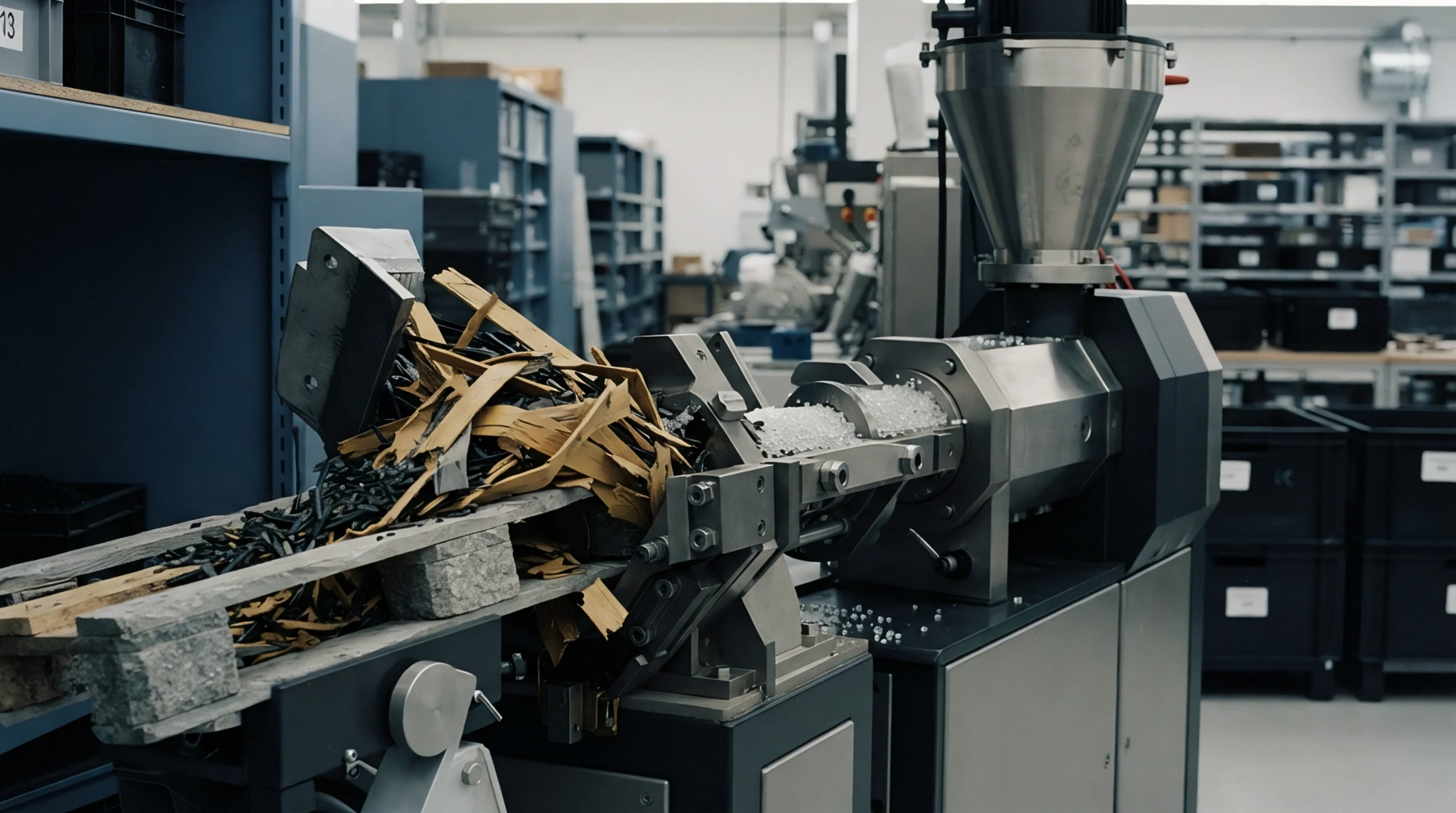
In the absence of oxygen, the polymer chains undergo thermal decomposition into smaller hydrocarbon molecules. The conversion of plastic waste into pyrolysis oil takes place in a reactor where the material is heated to high temperatures in a vacuum or an inert atmosphere. This process, known as thermal cracking, produces a mixture of gases, liquids and solid char.
The liquid fraction is then condensed to form the pyrolysis oil, which contains a wide range of hydrocarbons. The composition of the oil depends on the type of plastic being processed and the temperature of the reactor. Higher temperatures tend to produce lighter oils that are easier to refine into high value feedstocks.
This thermal conversion is a highly efficient way to turn waste into a valuable resource.
Impurity Management
One of the main challenges in using pyrolysis oil is the presence of impurities like chlorine, nitrogen and heavy metals that come from the original plastic waste. These substances can damage the equipment in a refinery or affect the quality of the final resin. To overcome this, the oil must undergo a series of purification steps, including filtration, distillation, hydrotreatment and chemical scrubbing.
These processes remove the unwanted contaminants and create a clean hydrocarbon stream that meets the strict specifications of a steam cracker. The level of purification required depends on the quality of the waste plastic and the requirements of the final application. Effective impurity management is essential for ensuring that the recycled resin is safe and performs as well as virgin material.
It also ensures the longevity of the processing equipment by preventing corrosion and fouling.
Resin Quality
The final plastic resin produced from pyrolysis oil is chemically identical to material made from fossil fuels. It possesses the same mechanical properties, thermal stability and chemical resistance as virgin polymer. This high level of quality allows the recycled material to be used in the most demanding applications, including food packaging and medical devices.
Moulders can use this resin in their existing machines without having to adjust their process parameters or worry about a loss in performance. This is a substantial advantage over mechanical recycling, where the quality of the material often degrades with each cycle. Every batch of resin made from pyrolysis oil is tested to ensure it meets the same high standards as traditional plastic.
The use of this material helps companies to meet their sustainability goals while still delivering high performance products to their customers.