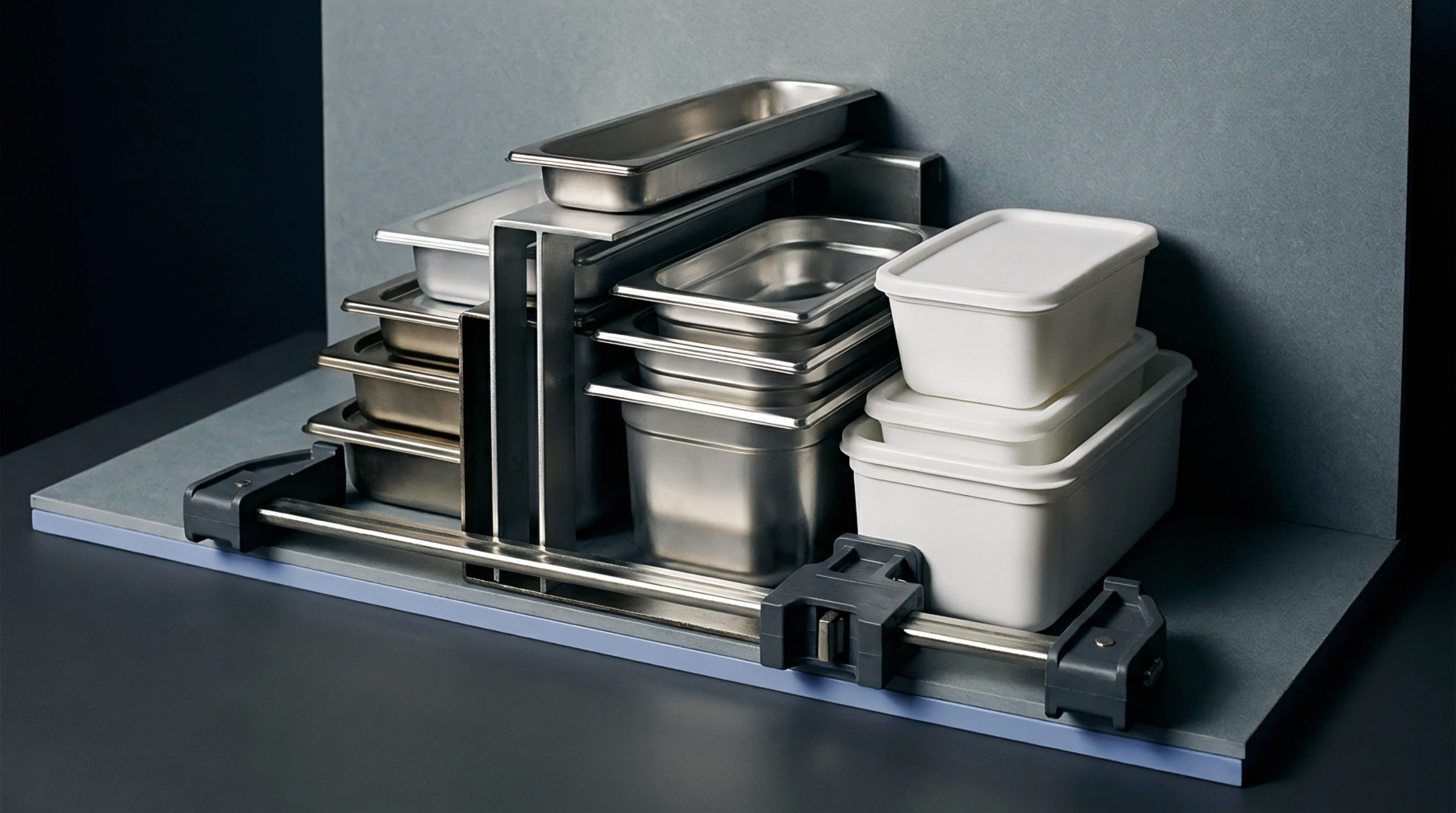
Polyolefin Resin Grade Verification via Attenuated Total Reflectance Spectroscopy
ATR-FTIR verifies polyolefin grades by measuring specific infrared absorbance ratios to quantify comonomer content, branching density, and copolymer structure.
ATR-FTIR verifies polyolefin grades by measuring specific infrared absorbance ratios to quantify comonomer content, branching density, and copolymer structure.

Controlled rheology visbreaking lowers sub-zero polypropylene drop toughness by removing high molecular weight tie chains, demanding elastomer modification to prevent brittle container shatter.

Polypropylene impact copolymers for frozen containers balance rubber content and viscosity matching to prevent cold brittle failure at minus twenty degrees.
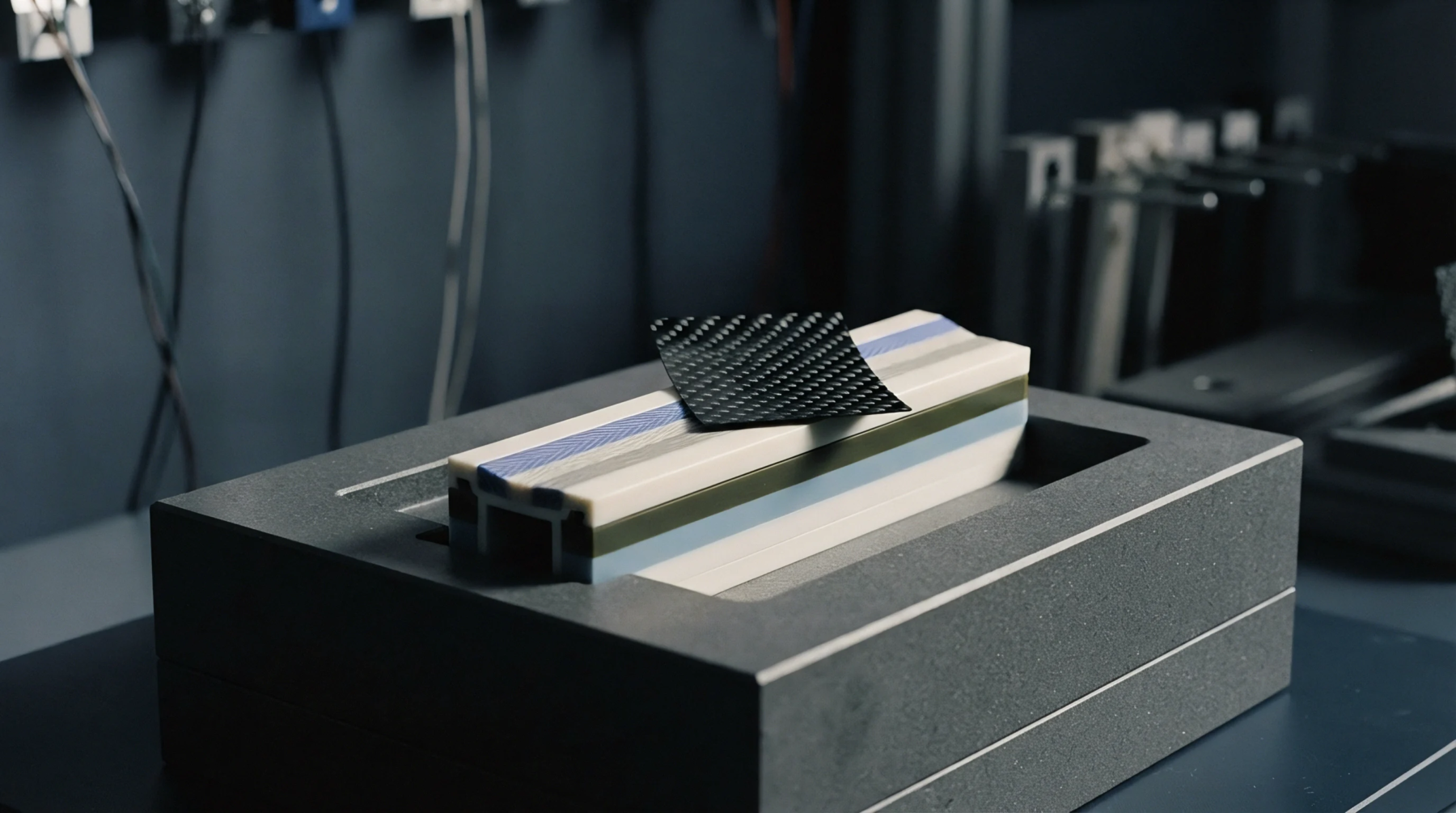
Selecting polypropylene block copolymers for cold automotive parts depends on balancing ethylene-propylene rubber phase dispersion with matrix melt flow rate.

Polypropylene impact copolymers sacrifice flexural modulus to gain sub-zero toughness through dispersed ethylene-propylene rubber domains in an isotactic matrix.

Reactor grade polypropylene copolymers absorb sub-zero impact energy through ethylene-propylene rubber domain crazing and interfacial cavitation down to minus forty.
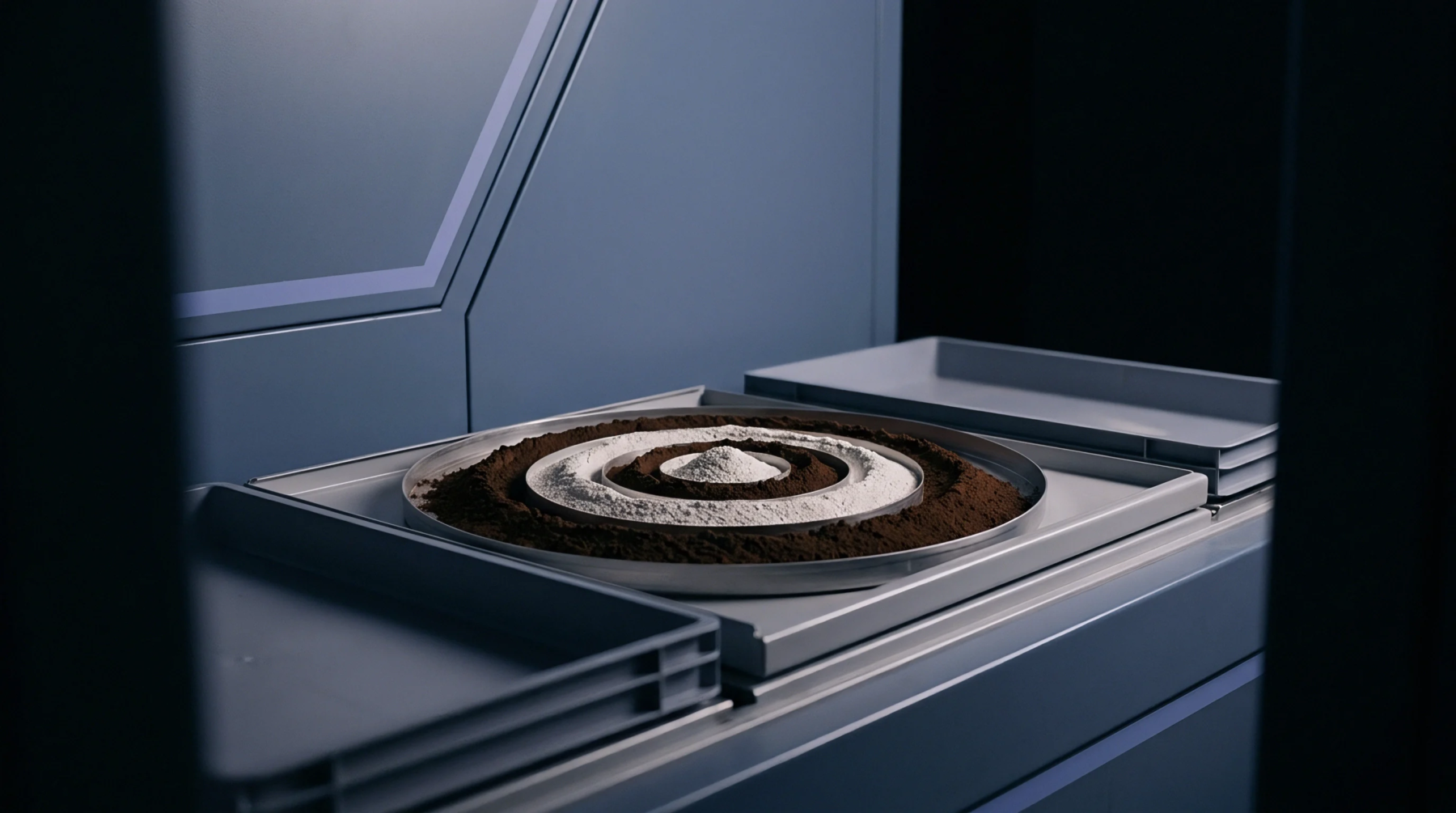
Heterophasic polypropylene copolymers with controlled rubber dispersion prevent brittle container shattering during sub-zero cold chain transport and drop impact.

Impact copolymers deliver superior notched and subzero impact resistance over homopolymers by incorporating a dispersed ethylene-propylene rubber phase.
Polypropylene impact copolymers containing disperse ethylene propylene rubber phases maintain cold drop impact strength down to minus 40 degrees Celsius where homopolymers shatter.
Expertise is a utility, not a secret. sentiention™ publishes its working knowledge as open reference: intelligence layer covering the materials it sources, the markets it enters, and the reference that serves both.