Meaning
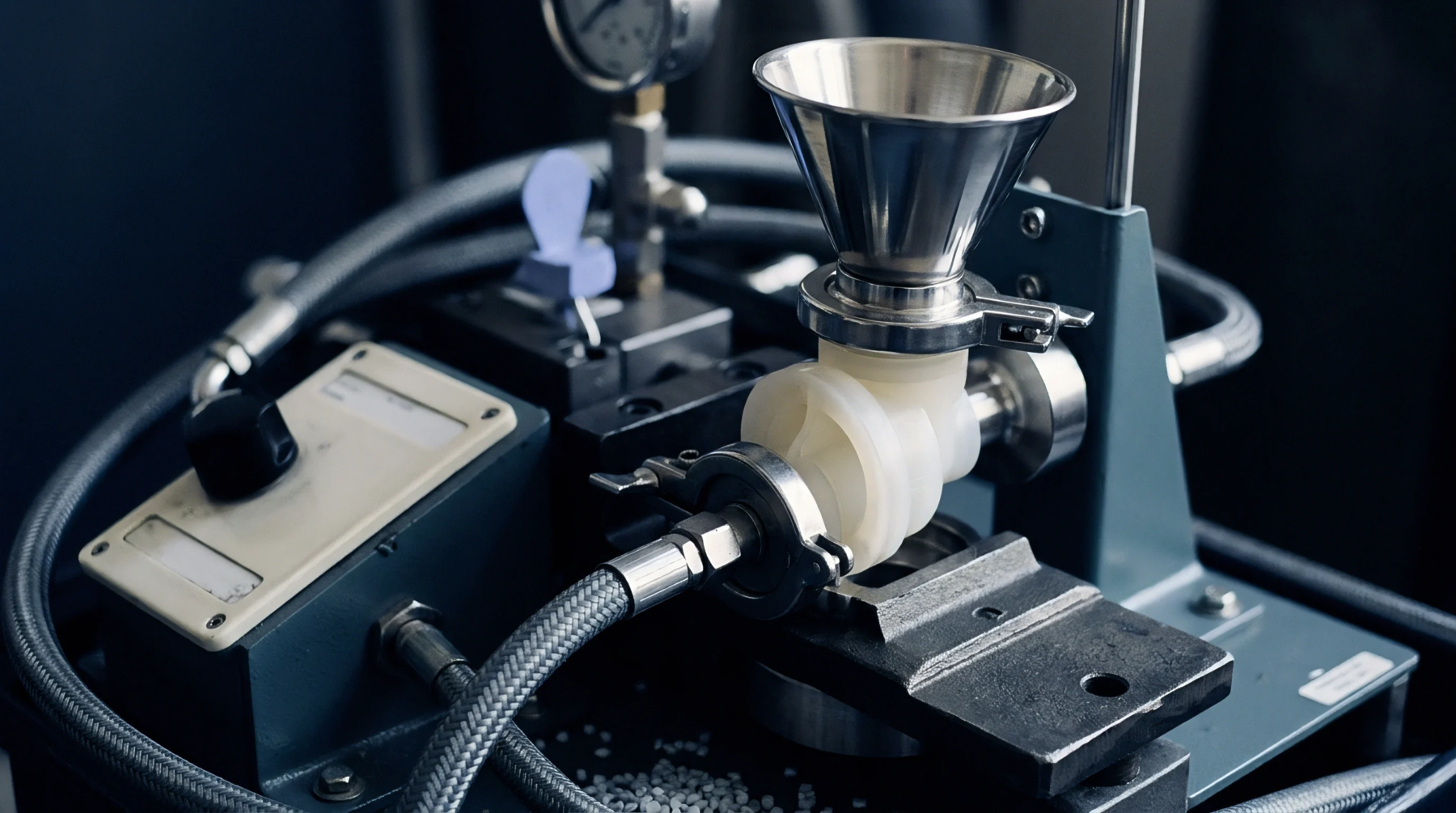
Measurement of the melt mass-flow rate and melt volume-flow rate of thermoplastic materials identifies the viscosity characteristics of polymers undergoing shear at specific temperatures and loads. This standard iso 1133 establishes the methodology for determining the fluidity of molten resins within an extrusion plastometer. The procedure provides a numerical result expressed in grams per ten minutes or cubic centimeters per ten minutes based on the quantity of material forced through a calibrated die.
Applicability ends where the melt becomes too fluid to contain or so viscous that the instrument exceeds safe pressure limits during testing.
Flow Characterisation
Laboratory personnel use iso 1133 to correlate polymer structure with processing behavior during injection moulding or extrusion stages. Operators charge the cylinder with a weighed amount of resin pellets or regrind particles to begin the cycle. Heat saturates the material for a fixed interval to ensure uniform viscosity before the weighted piston exerts force upon the melt.
Gravity and force push the molten mass through a small orifice while a timer tracks the flow interval. Variations in the resulting mass or volume identify batches that might cause short shots or flash during high speed production cycles. Resin suppliers provide these values on certificates of analysis to verify consistent molecular weight across different production lots.
Production Boundaries
Moulders compare the datasheet limits against the rheological behavior observed during shop floor cycles to prevent scrap. High values indicate low viscosity while low values point toward stiff melts that require higher injection pressures. Regrind percentages affect these flow metrics significantly because thermal history degrades chains and alters polymer chain length.
A material specification represents the target range established by the manufacturer to ensure batch repeatability. Part specifications require the moulder to maintain pressure profiles that account for the actual flow characteristics of the specific lot in the machine hopper. Discrepancies between the laboratory test and the physical flow in the barrel signal that the material has undergone unexpected changes due to moisture or thermal abuse during transport.
Measurement Integrity
Precision depends on strict adherence to the heating duration and the accuracy of the weight applied to the piston assembly. Thermal stability represents the primary variable that influences the repeatability of the test results across different testing facilities. Variations in the orifice geometry or internal cylinder diameter introduce systematic errors that misrepresent the true fluidity of the polymer sample.
Instrument calibration requires periodic inspection of the die wear and the alignment of the weight system to prevent friction from biasing the mass flow. Maintaining a consistent temperature gradient along the entire barrel length eliminates localized viscosity differences that otherwise skew the data. Iso 1133 defines the limits of acceptable variability for equipment design to ensure that different laboratories produce comparable data for the same material grade.
The method remains the standard for validating the flow potential of thermoplastic raw materials before processing begins.