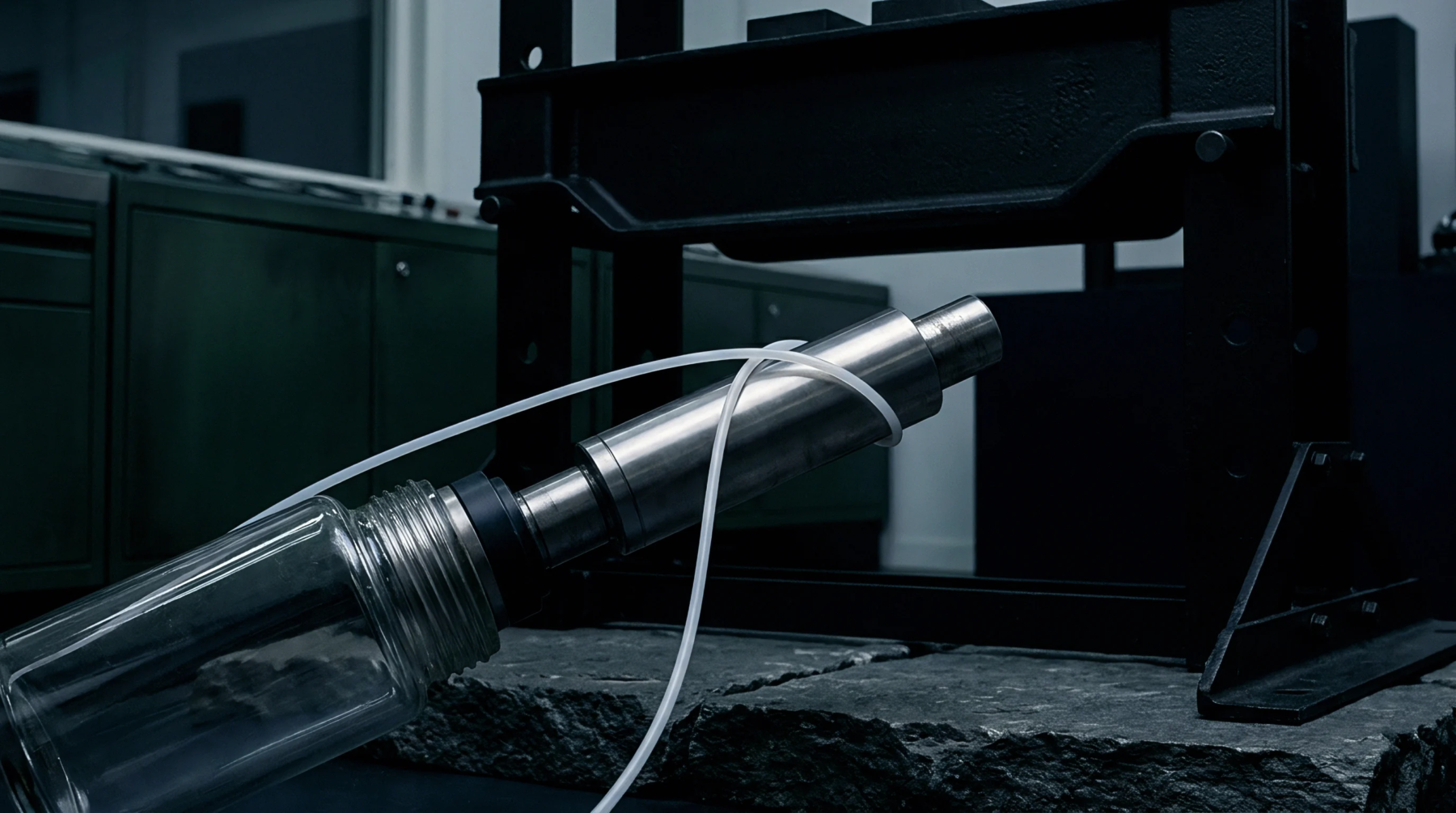
Effect of Peak Cavity Pressure on Unreinforced Polyamide Linear Shrinkage Rates
Elevating peak cavity pressure compresses unreinforced polyamide melt, suppressing specific volume and reducing post-moulding linear shrinkage rates.
Elevating peak cavity pressure compresses unreinforced polyamide melt, suppressing specific volume and reducing post-moulding linear shrinkage rates.
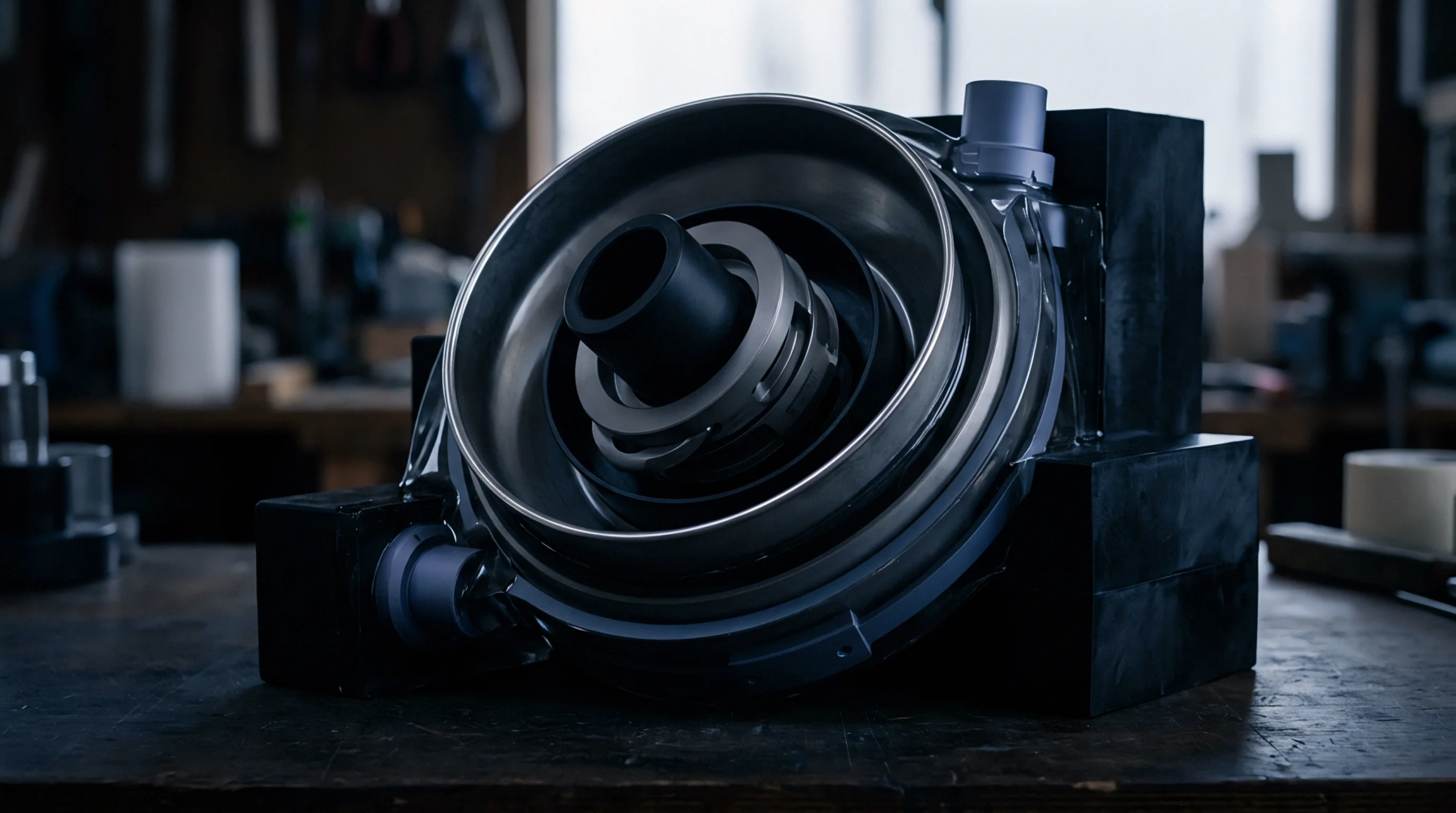
Real-time cavity pressure transducer feedback corrects shear-thinning thermal imbalances in multi-cavity tools by adjusting dynamic V/P crossover points.
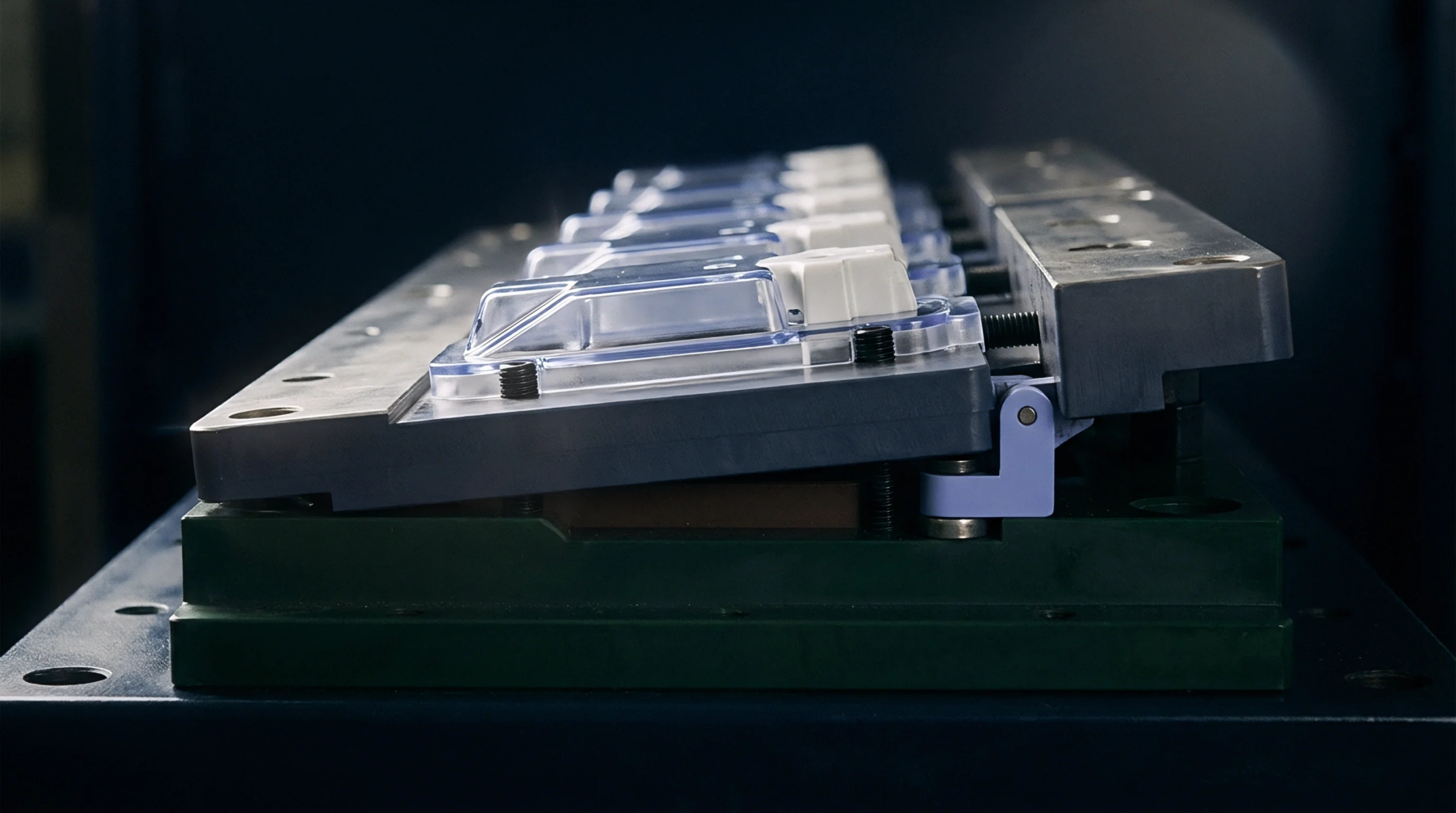
Direct piezoelectric cavity pressure sensing in micro injection moulding requires sub-micron bore tolerances, rigid preloading, and active thermal drift compensation.
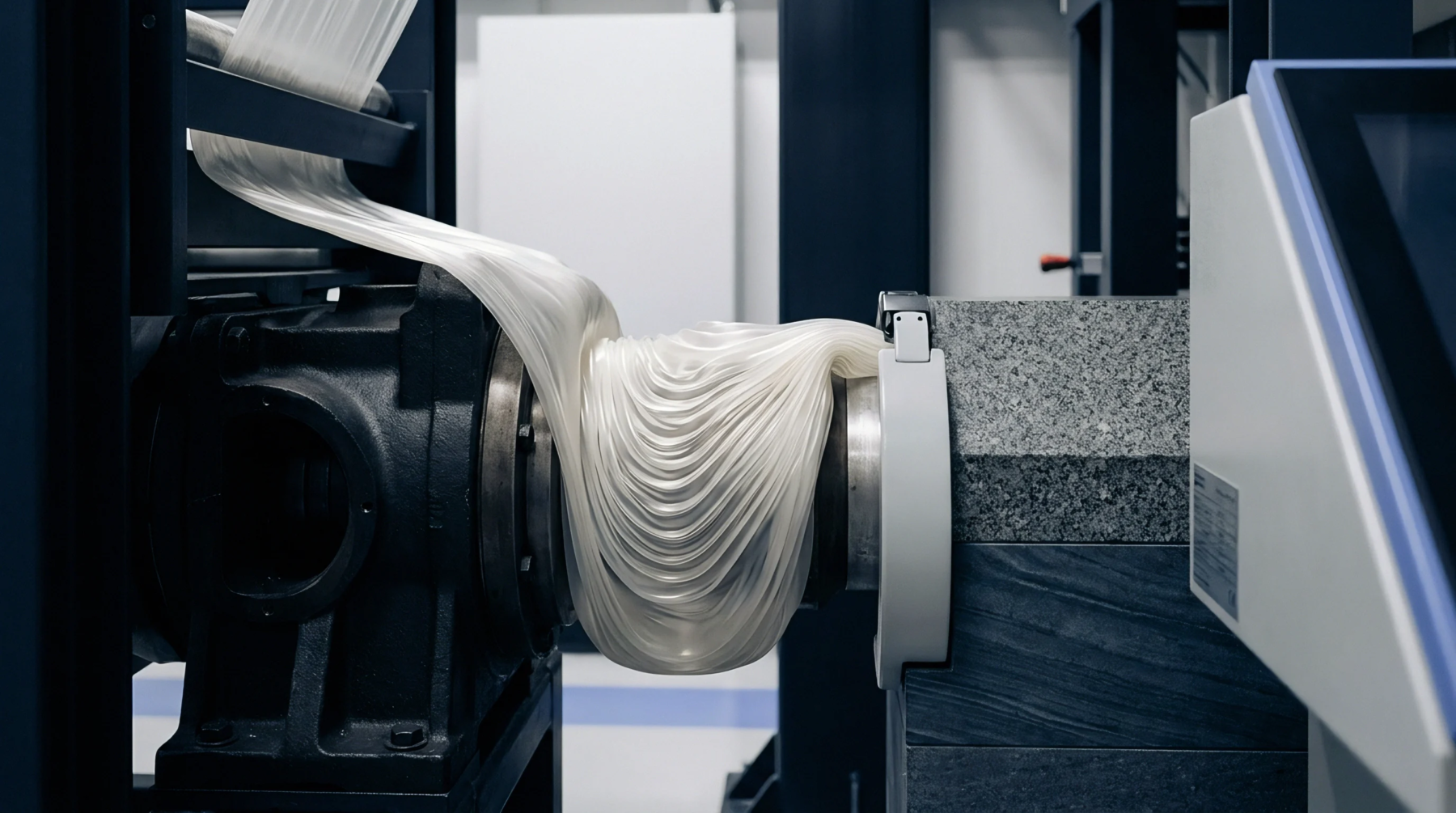
Calibrating transfer points via press-side viscosity curves optimizes fill pressure, cuts part mass variation, and locks in DIN 16742 tolerance bands.

Managing shear imbalance across high-density cavities depends on rotating channel boundary layers at runner splits to equalize melt viscosity before gating.

In-cavity piezoelectric pressure sensing setups in multi-cavity tools decouple fill control from hydraulic drift to minimize scrap and verify part density.

Real-time mold cavity pressure telemetry triggers automated mechanical part rejection, ensuring sub-gram defective melt profiles never enter production inventory.
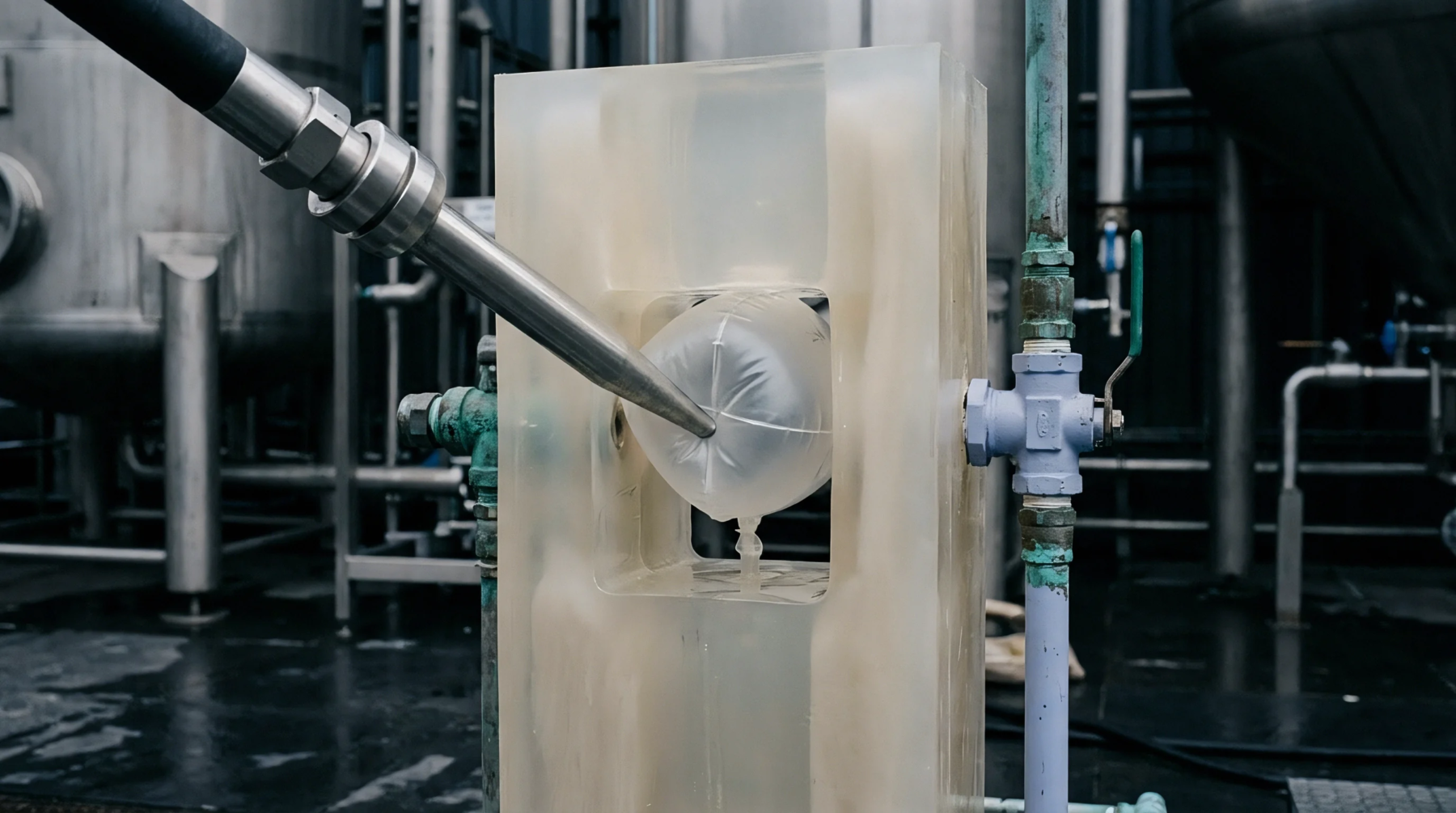
Sub-millimetre cavity pressure sensor placement requires sub-two-micron pin clearances and end-of-fill installation to decouple micro-melt viscosity from V/P switchover.

Cavity pressure telemetry decouples polymer melt behavior from machine hydraulics, locking peak pressure to eliminate scrap and stabilize part dimensions.

In-mold cavity pressure telemetry directly measures melt compression dynamics to lock down scientific moulding qualification and stabilize piece tolerances.

Cavity pressure telemetry decouples moulding qualification from machine variability by tracking internal melt pressure signatures to sort parts in real time.
Expertise is a utility, not a secret. sentiention™ publishes its working knowledge as open reference: intelligence layer covering the materials it sources, the markets it enters, and the reference that serves both.