Meaning
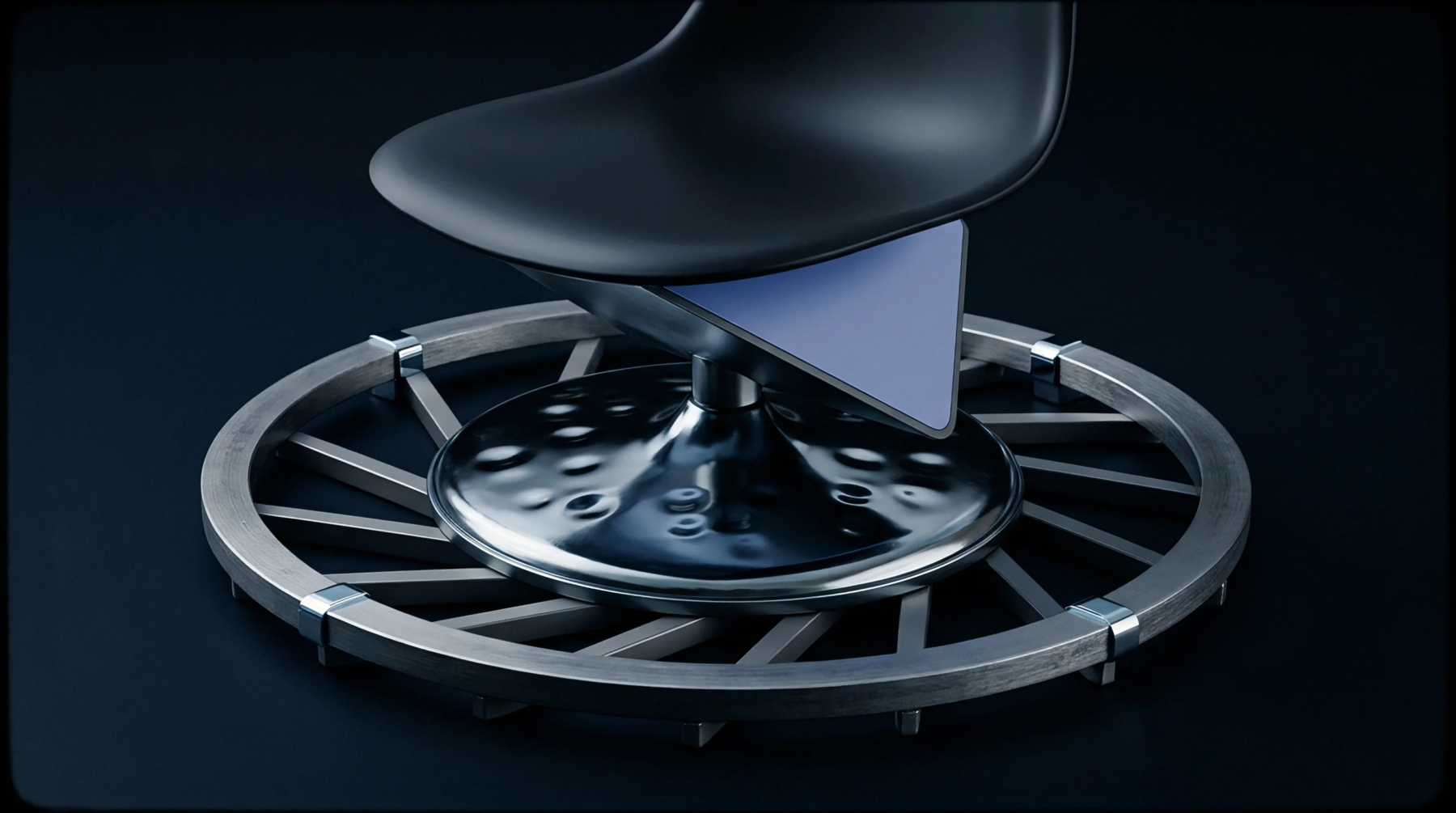
Fluid velocity gradient across a polymer melt flow path measures shear rate within an injection moulding runner or extrusion die. Flow resistance drops as polymer chains align under high velocity gradients, changing apparent viscosity during mould filling. Processing parameters such as screw speed and injection velocity set this value inside the barrel and manifold.
Excessive values generate molecular chain scission and thermal degradation, while insufficient values cause incomplete cavity packing and severe part distortion. Material specifications define acceptable melt flow behavior under standardized conditions, whereas part specifications dictate final mechanical performance in structural applications. Virgin resin maintains predictable molecular weight distribution, whereas repeated regrind processing shifts melt viscosity through thermal history accumulation.
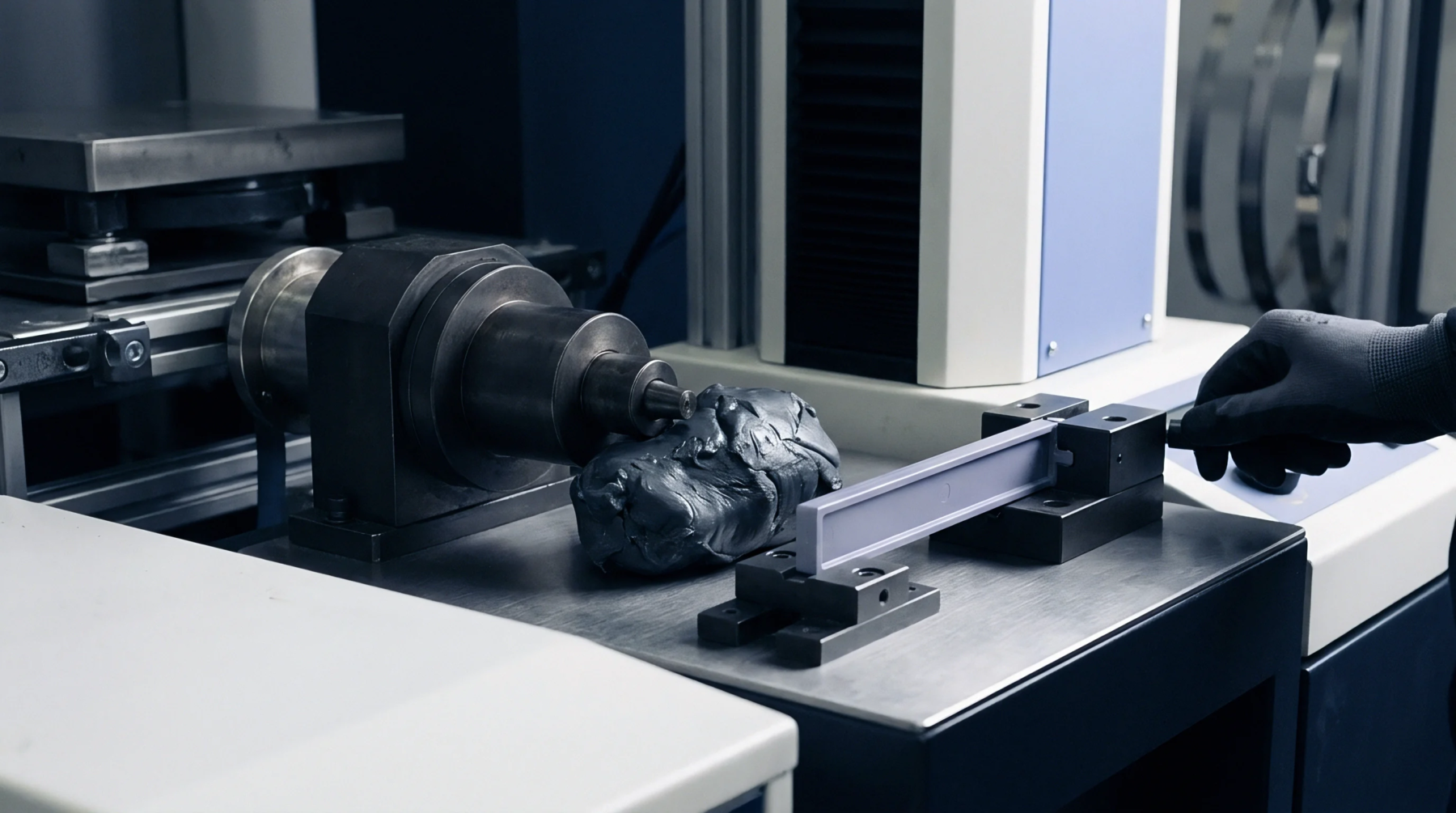
Datasheet values represent laboratory capillary measurements, while moulders must control actual cavity conditions across production runs to prevent dimensional variance and flash formation.
Melt Behavior
Polymer chains uncoil and slide past neighbouring segments when subjected to strong velocity fields inside processing equipment. Viscosity decreases non-Newtonian fluids during rapid flow stages, lowering injection pressure requirements. Molecular weight distribution governs how severely a polymer reacts to changing velocity fields.
High molecular weight grades experience greater flow resistance reduction than low molecular weight equivalents. Temperature interacts directly with velocity gradients, lowering the energy required for chain disentanglement.
Thermal Degradation
Excessive mechanical working generates frictional heat within the polymer melt stream. Molecular bonds break apart when localized thermal energy exceeds polymer stability thresholds. Degradation products alter shrinkage rates and reduce impact strength in finished mouldings.
Uncontrolled barrel temperatures combine with high velocity fields to scorch sensitive engineering resins. Process technicians adjust injection profiles to keep mechanical working below thermal damage limits.
Economic Control
Virgin material costs demand precise processing window management to avoid scrap generation during continuous production. Regrind incorporation narrows the allowable velocity window because degraded polymer chains tolerate less mechanical stress before breaking down. Laboratory melt index tests fail to predict how a resin behaves under high-speed manufacturing conditions.
Moulders establish processing limits through trial runs rather than relying solely on supplier documentation. Finished part rejects decrease when operators monitor machine feedback loops instead of assuming stable material behaviour.