Meaning
Polymer expansion describes the physical phenomenon occurring when a thermoplastic melt exits a constrained extrusion nozzle or injection gate and expands in cross-sectional area. The effect arises because polymer chains recover their coiled conformation after undergoing shear-induced orientation within the flow channel. Molecular weight distribution, long-chain branching, and processing temperature directly control the extent of this recovery.
The behavior stops when the extrudate stabilizes or undergoes solidification by cooling, limiting the deformation to the region between the die exit and the take-off unit.
Extrusion Mechanics
This phenomenon creates a fundamental challenge in dimension control for profile and pipe production. Increased shear rates during transit through the tool intensify the elastic memory of the material. Molecules aligned under pressure snap back toward a random coil state as soon as the lateral restriction from the die wall vanishes.
A high-viscosity resin often displays an amplified version of this growth compared to low-viscosity alternatives. Operators adjust tool dimensions to compensate for the anticipated expansion so the final solid product meets the required tolerance. Cooling rates regulate how quickly these chains freeze in place, preventing further size shifts after the part leaves the sizing equipment.
Flow Distortion
Incorrect management of this swelling force produces uneven surface textures and wall thickness variations. Rapid expansion forces the melt to stretch, which creates internal residual stress inside the finished part. Excessive stress leads to warping after the plastic exits the line because the internal tension forces the geometry to pull toward the highest concentration of molecular alignment.
Moulders select materials with specific rheological profiles to minimize these post-production shifts. Regrind usage alters the behavior because shredded fragments contain shortened chain lengths that exhibit less elastic recovery than virgin resin. Variations in melt temperature change the relaxation time of the polymer, meaning a stable process requires tight thermal control to keep the dimensions consistent.
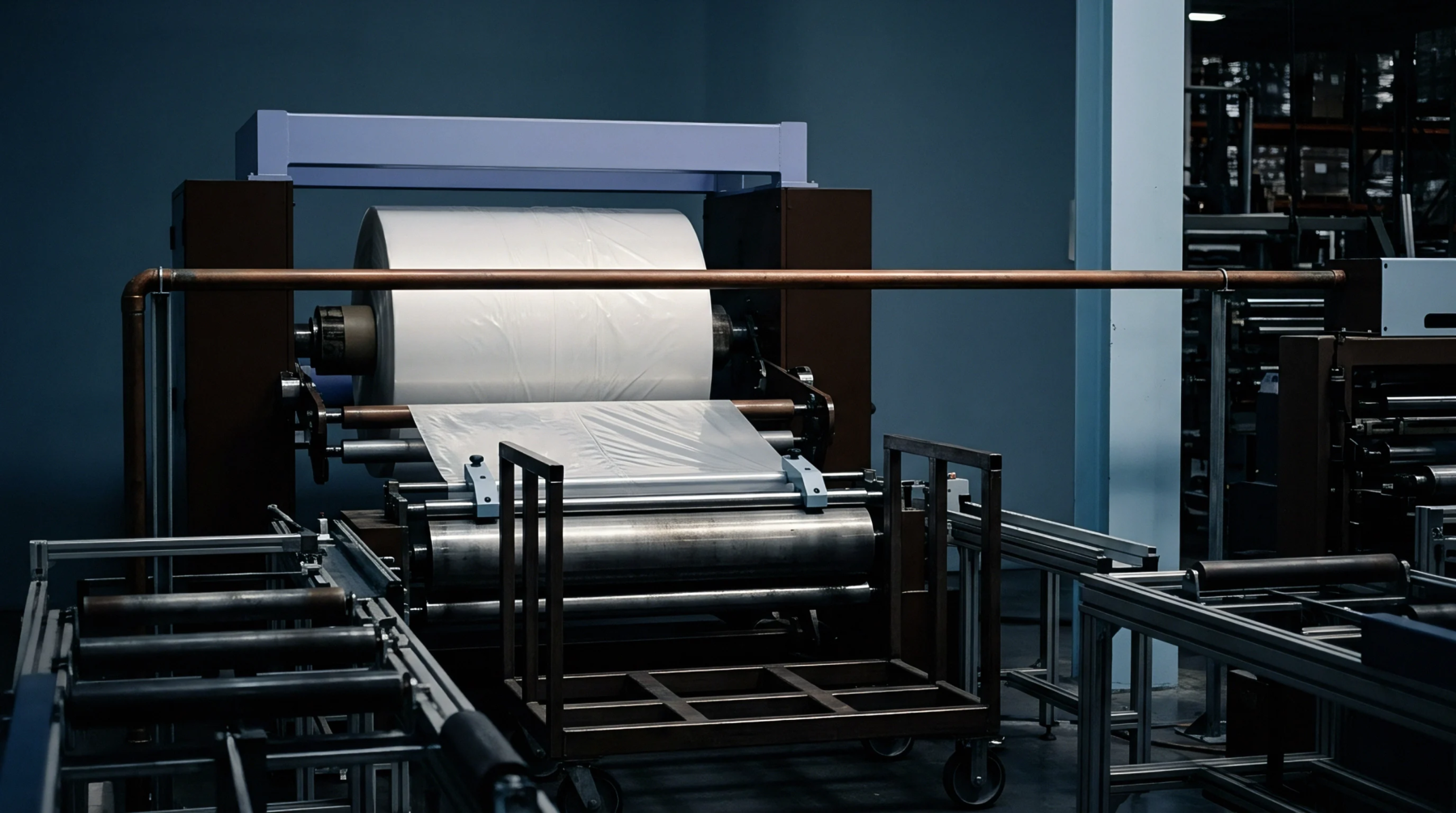
Production lines use laser sensors to monitor the outer diameter continuously and adjust the puller speed to maintain the target cross-section.
Tooling Calibration
The design of the die land determines how much pressure builds before the exit. A longer land allows the polymer chains to relax partially inside the tool, which reduces the magnitude of the expansion once the melt enters the open atmosphere. Designers modify the die entry angles to reduce shear intensity at the edges of the orifice.
A streamlined flow path prevents localized overheating that causes uneven viscosity across the melt front. Proper tool geometry translates into predictable part sizing that matches the production intent. Each specific resin grade requires a unique set of sizing tolerances because the elastic behavior is a property of the material chemistry.
Accurate estimation of this recovery ensures that the final component matches the master drawing specifications despite the inherent flow instability at the nozzle.