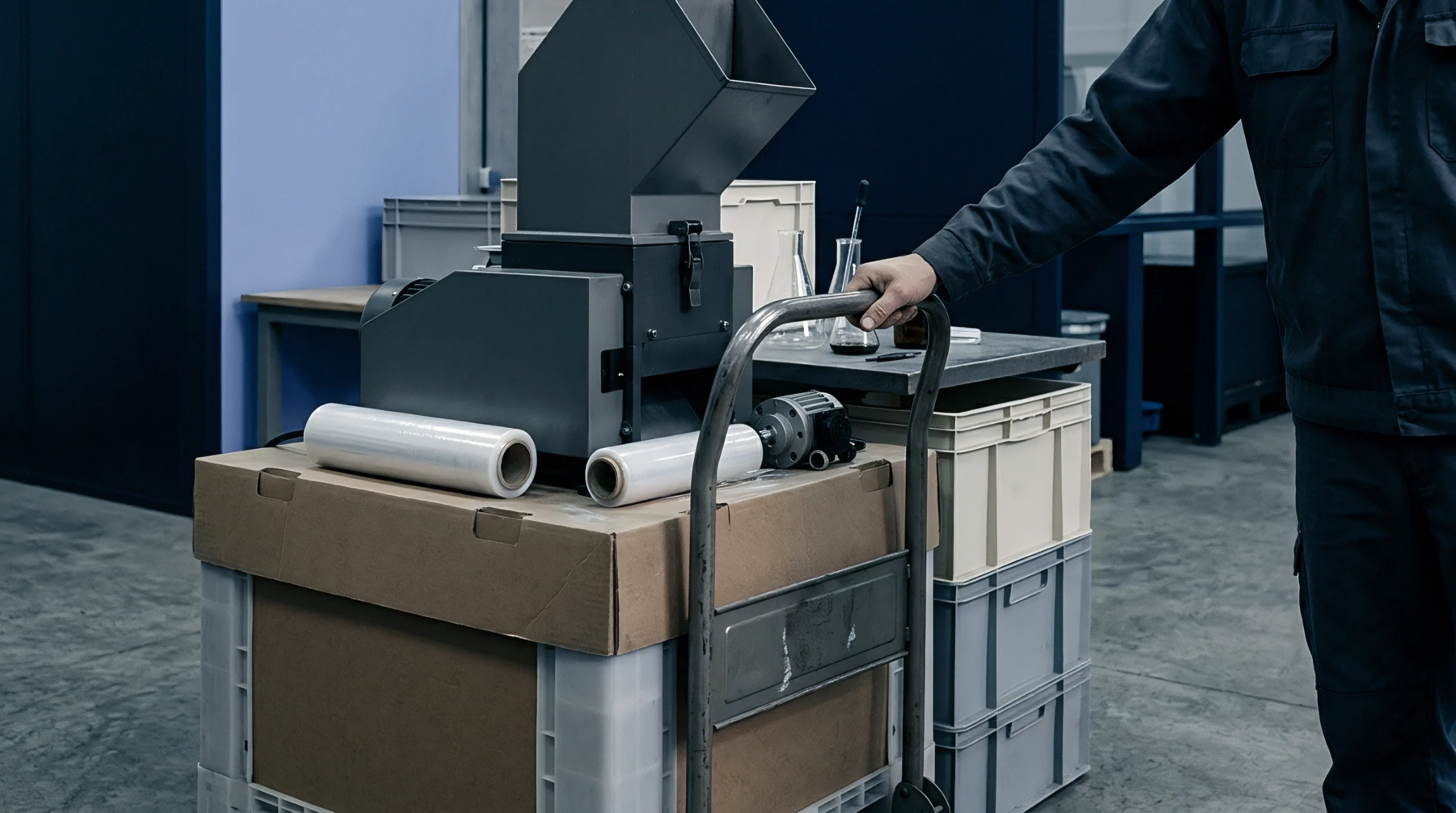
Understanding Polyethylene Specific Gravity Testing and Plaque Preparation
Polyethylene specific gravity testing requires standardized 15 K/min plaque cooling and 24-hour conditioning to prevent thermal history errors exceeding 0.003 g/cm³.
Polyethylene specific gravity testing requires standardized 15 K/min plaque cooling and 24-hour conditioning to prevent thermal history errors exceeding 0.003 g/cm³.

Reactor copolymer cold chain impact resistance relies on sub-micron ethylene-propylene rubber interfacial cavitation triggering matrix shear bands at low temperatures.

Controlling ethylene-propylene rubber dispersion below one micron preserves crate drop impact at minus thirty while retaining stack rigidity.
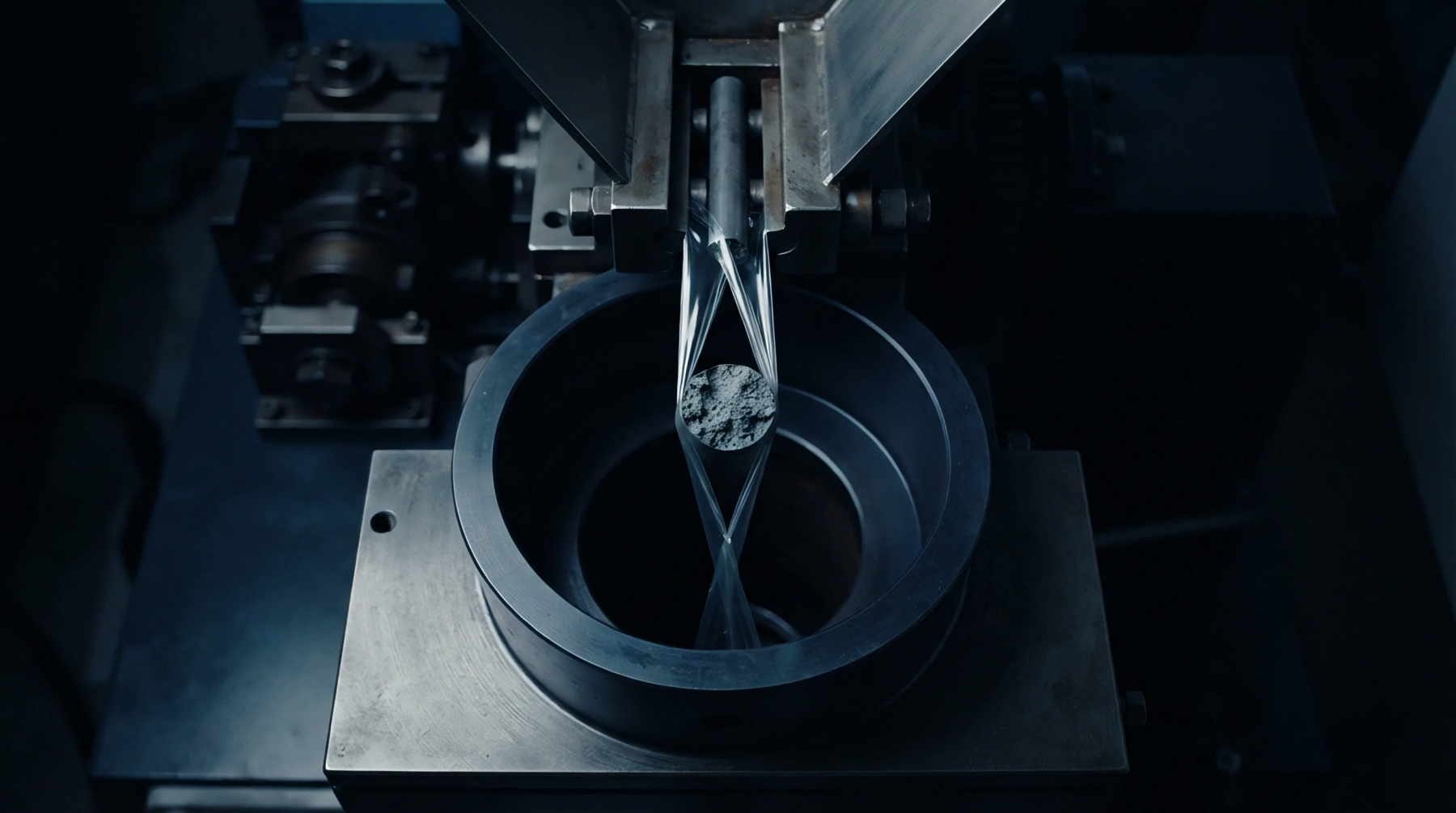
Subzero impact resistance requires low glass transition rubber domains dispersed under 0.5 microns to trigger matrix shear yielding under high strain rates.
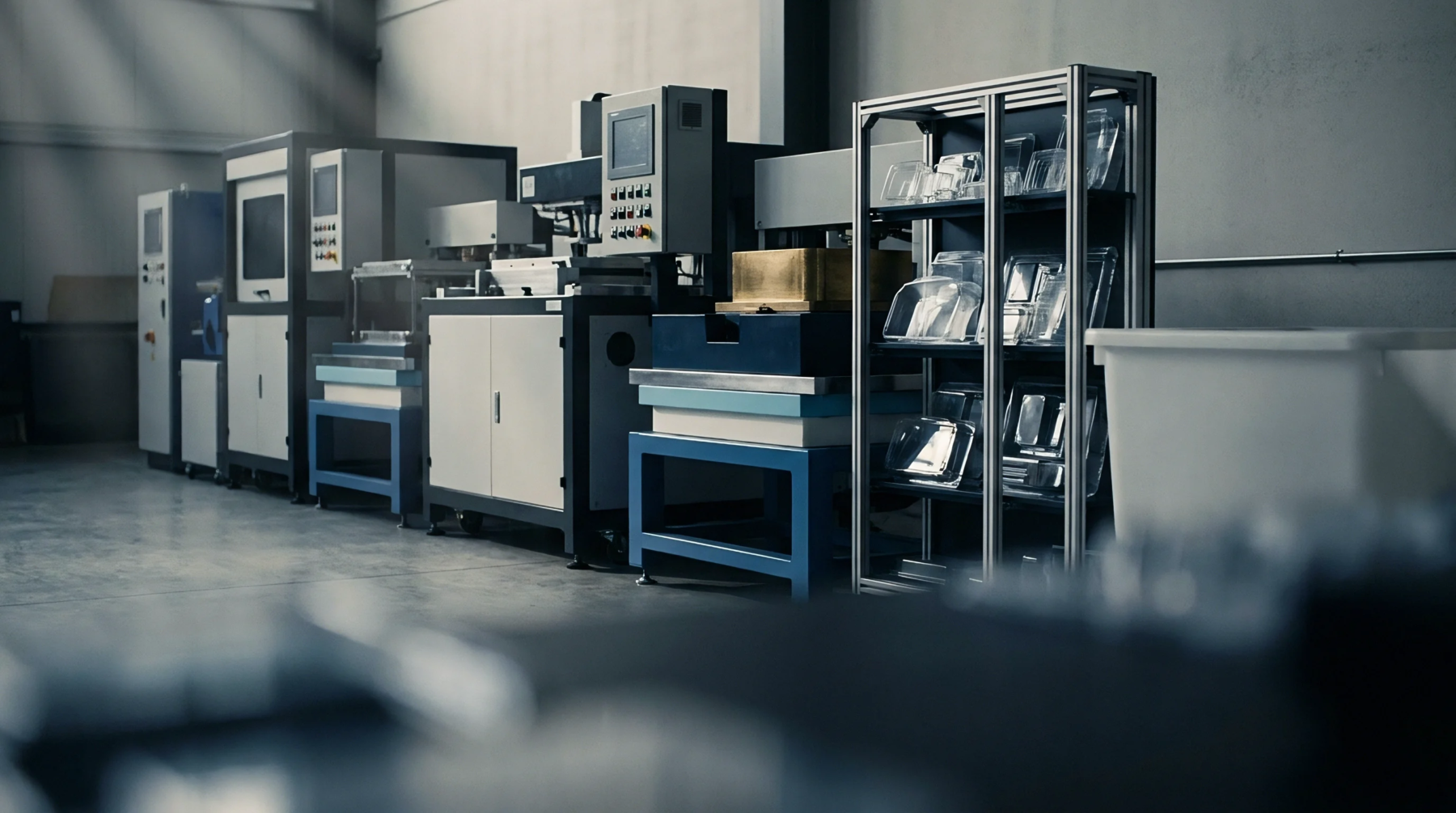
Chromatographic screening couples cryogenic extraction, orthogonal GC and LC separation, and high-resolution MS to quantify NIAS against toxicological limits.
Expertise is a utility, not a secret. sentiention™ publishes its working knowledge as open reference: intelligence layer covering the materials it sources, the markets it enters, and the reference that serves both.