
Multiple Headspace Extraction Mathematics for Resolving Recycled Resin Matrix Effects
Multiple headspace extraction eliminates recycled polymer matrix bias by mathematically extrapolating total volatile mass from linear logarithmic depletion decay.
Multiple headspace extraction eliminates recycled polymer matrix bias by mathematically extrapolating total volatile mass from linear logarithmic depletion decay.
Equilibrating recycled polyolefin pellets at 120 C for 45 minutes isolates volatile organic compounds while avoiding polymer matrix thermal degradation.

Polyolefin recyclates require extensional viscosity verification to prevent gate blush and severe entrance pressure drop during high-speed cavity filling.

Capillary rheometry requires Bagley and Rabinowitsch-Weissenberg corrections alongside Mooney wall slip analysis to prevent polyolefin blend die miscalculations.

Standard melt flow index testing fails recycled polyolefins due to low-shear limits, thermal breakdown, and unmeasured pseudoplastic behavior.
Ultra high vacuum decontamination of heavy organic surrogates from PET melts is governed by molecular diffusion within viscous films rather than equilibrium pressure.

Residual monomer extraction in twin screw extruders relies on rapid mechanical film renewal rather than residence time to overcome diffusion limits in polymer melts.
Volatile desorption in recycled PET melt is governed by thermodynamic phase equilibria and diffusion limits, requiring deep vacuum and rapid surface renewal.
Melt stability discrepancies in gas pipe PE100 compounding are resolved by mandating ISO 18488 strain hardening modulus tests alongside standard melt index.
Polymer shear thinning across pipe die shear rates controls wall pressure, extrudate swell, and sag resistance, requiring multi-point viscosity validation.
Bimodal PE decouples strength from processability by pairing low MW matrix lubricant with branched high MW tie chains for high ESCR and low extrusion pressure.

Standard single-load melt index tests mischaracterize high molecular weight polyethylene by ignoring shear thinning, requiring multi-load flow ratio verification.

Dual load testing at 2.16 kg and 21.6 kg enforces molecular weight distribution limits, preventing off-spec bimodal resin from entering extrusion lines.

Polyethylene melt flow testing requires 190 °C with load selection matched to resin flow: 2.16 kg for standard grades and 21.6 kg for high-density resins.

Uncontrolled transesterification and end-group drift in PHA extrusion alloys lower melt viscosity and alter phase morphology, requiring carboxyl capping.

Carboxyl scavenging arrests autocatalytic acid scission while multifunctional epoxy chain extenders restore melt viscosity and enable stable PHA processing.

Polyhydroxyalkanoate processing demands strict moisture control below 200 ppm and residence times under three minutes to prevent cis-elimination chain scission.

Multi-tier polyolefin silo homogenization induces viscoelastic drift via thermal compaction and micro-shear, altering melt elasticity and wall thickness.

Isolating metal-mediated degradation in recycled polyolefins requires microwave acid digestion with ICP-MS and chelation stabilization to stop chain scission.
Polyolefin melt flow shifts reveal chain scission or crosslinking under repeated shear, requiring strict multi-point viscosity and antioxidant monitoring.
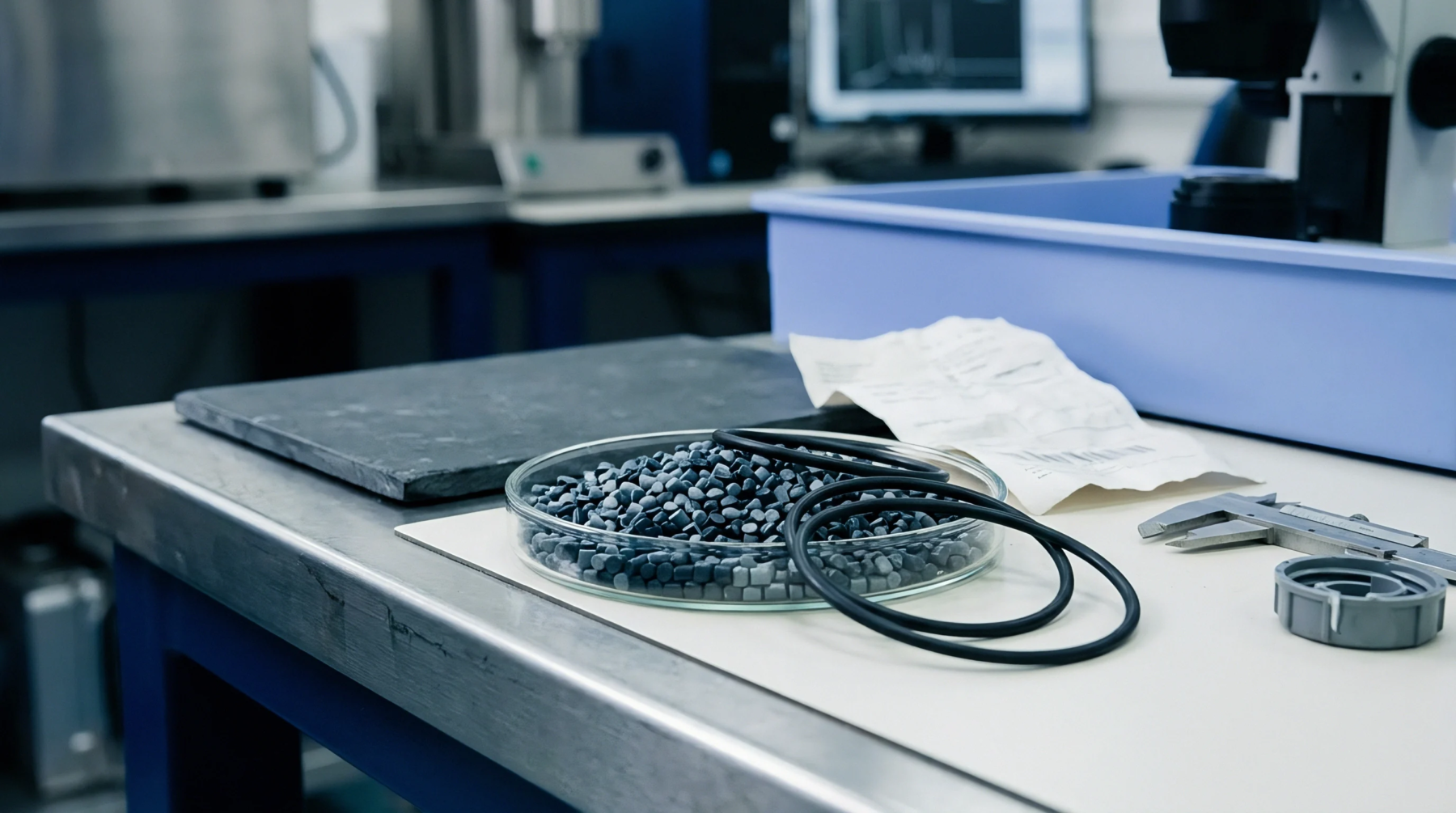
Phase inversion boundaries in recycled olefin fractions shift with shear rate, necessitating combined dynamic rheology and thermal analysis for domain sizing.

Deconvolution of DSC melt crystallization peaks isolates PE and PP fractions in recyclates to verify composition before compounding.

ATR-FTIR verifies polyolefin grades by measuring specific infrared absorbance ratios to quantify comonomer content, branching density, and copolymer structure.

Residual moisture above 50 ppm hydrolyzes rPET melt within seconds, dropping intrinsic viscosity and causing brittle part failure that exceeds drying power costs.

Dew point drift above minus forty degrees Celsius triggers rapid hydrolytic polymer degradation, demanding structured bed adsorption and crush testing.

Hopper airflow rates of 0.8 to 1.2 m3/hr per kg/hr combined with a dew point below -40 C prevent hydrolytic degradation and guarantee uniform drying.

Decouple scission from thermal degradation by tracking high-frequency acoustic attenuation drop against broadband sound velocity dispersion across the melt stream.
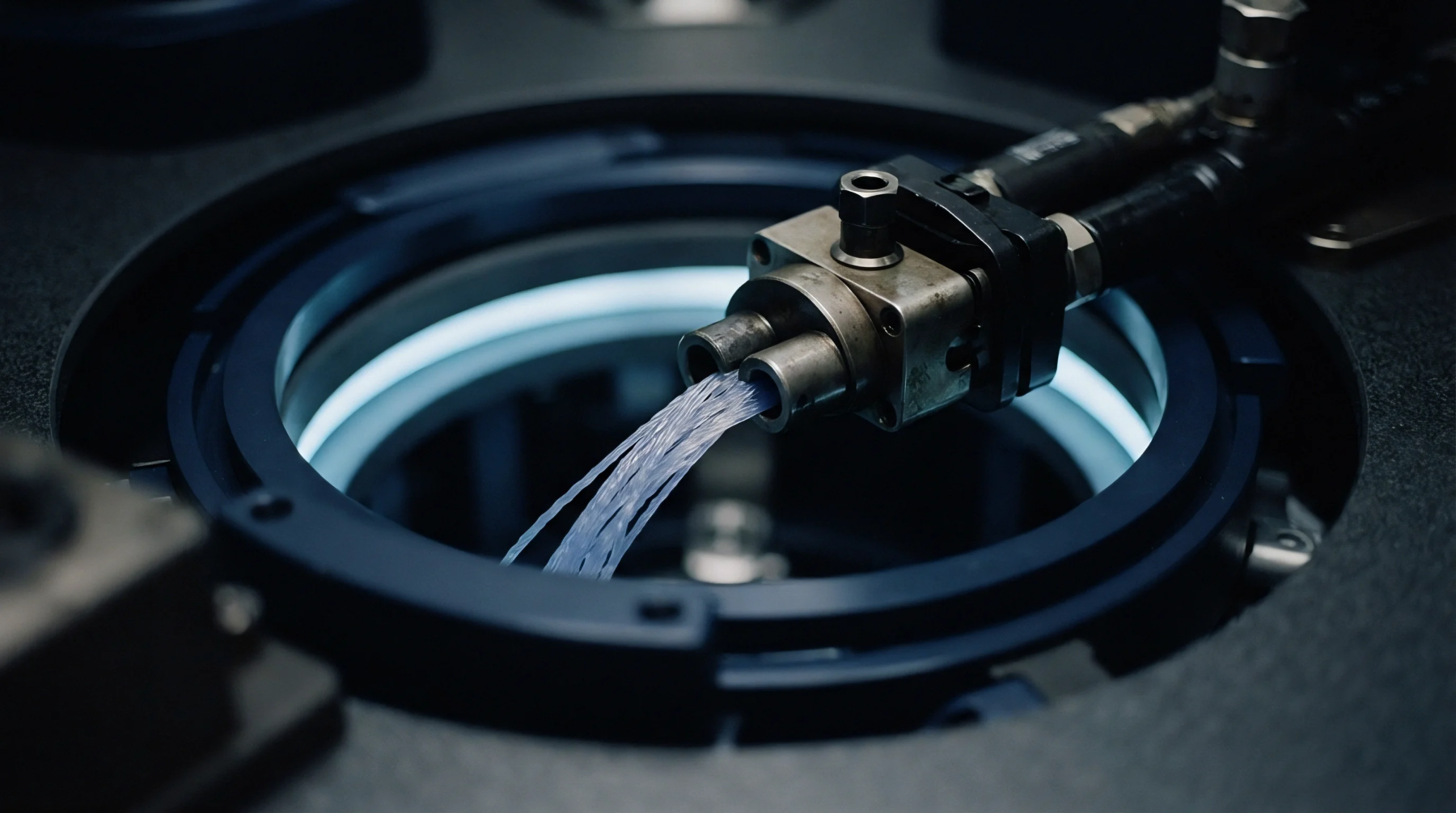
Twin-bore capillary testing at 1,000 to 10,000 s⁻¹ qualifies high-strain regrind by isolating entrance losses, true wall slip, and elastic die swell shifts.
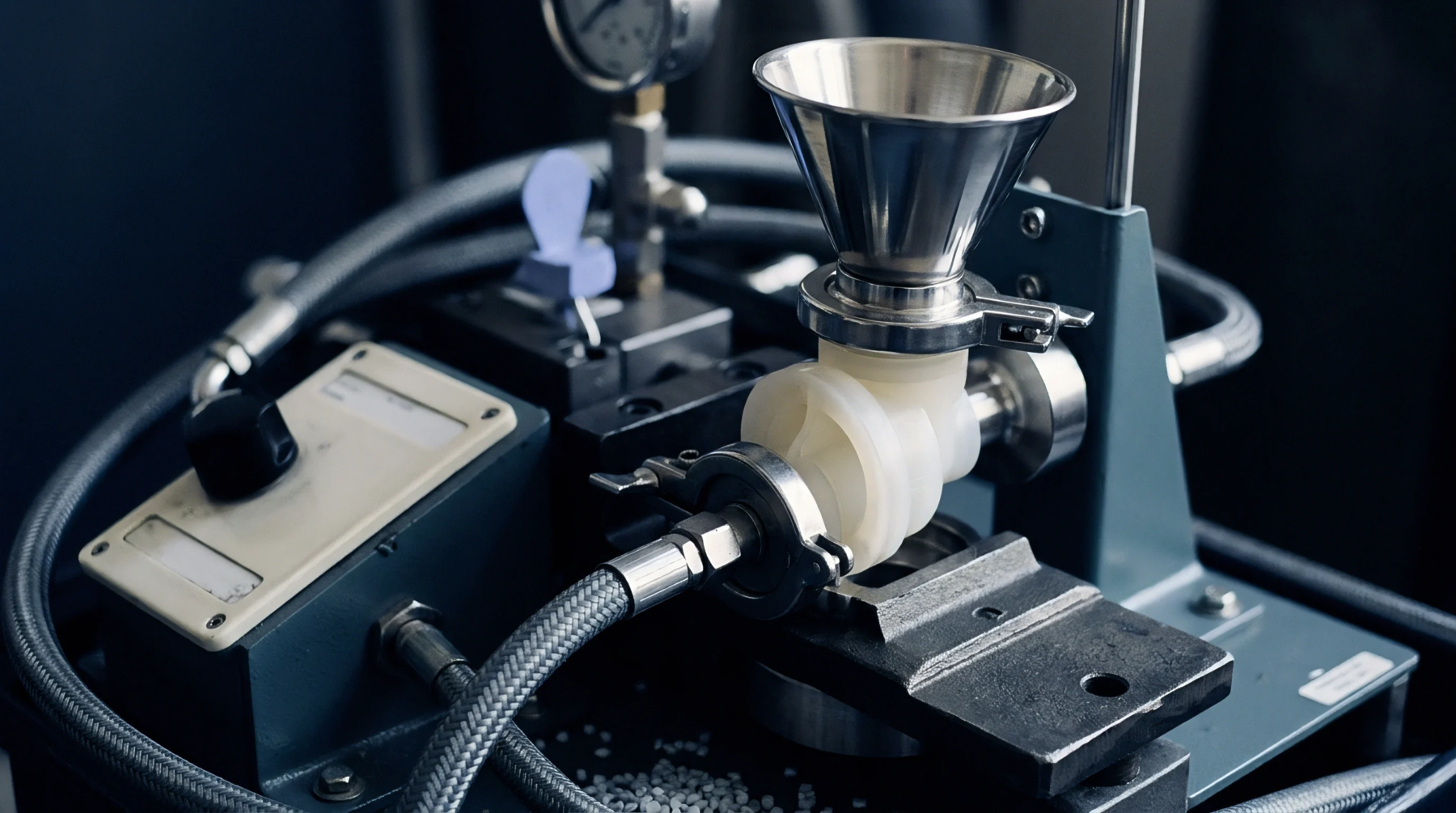
Melt flow rate thresholds for recycled polyolefin blends must be set using multi-load shear testing to bound contamination and prevent processing scrap.

Oxidation induction time testing at 200 °C establishes true additive depletion in recycled polypropylene before melt processing causes chain scission.
Expertise is a utility, not a secret. sentiention™ publishes its working knowledge as open reference: intelligence layer covering the materials it sources, the markets it enters, and the reference that serves both.