
Analyzing Shear Thinning Variability across Pipe Die Shear Rates
Polymer shear thinning across pipe die shear rates controls wall pressure, extrudate swell, and sag resistance, requiring multi-point viscosity validation.
Polymer shear thinning across pipe die shear rates controls wall pressure, extrudate swell, and sag resistance, requiring multi-point viscosity validation.

Bimodal PE decouples strength from processability by pairing low MW matrix lubricant with branched high MW tie chains for high ESCR and low extrusion pressure.

Twin-bore capillary testing at 1,000 to 10,000 s⁻¹ qualifies high-strain regrind by isolating entrance losses, true wall slip, and elastic die swell shifts.

Thermal and oxidative degradation alters polyolefin flake viscosity and residual stability, demanding MFR, OIT, and Carbonyl Index verification before processing.
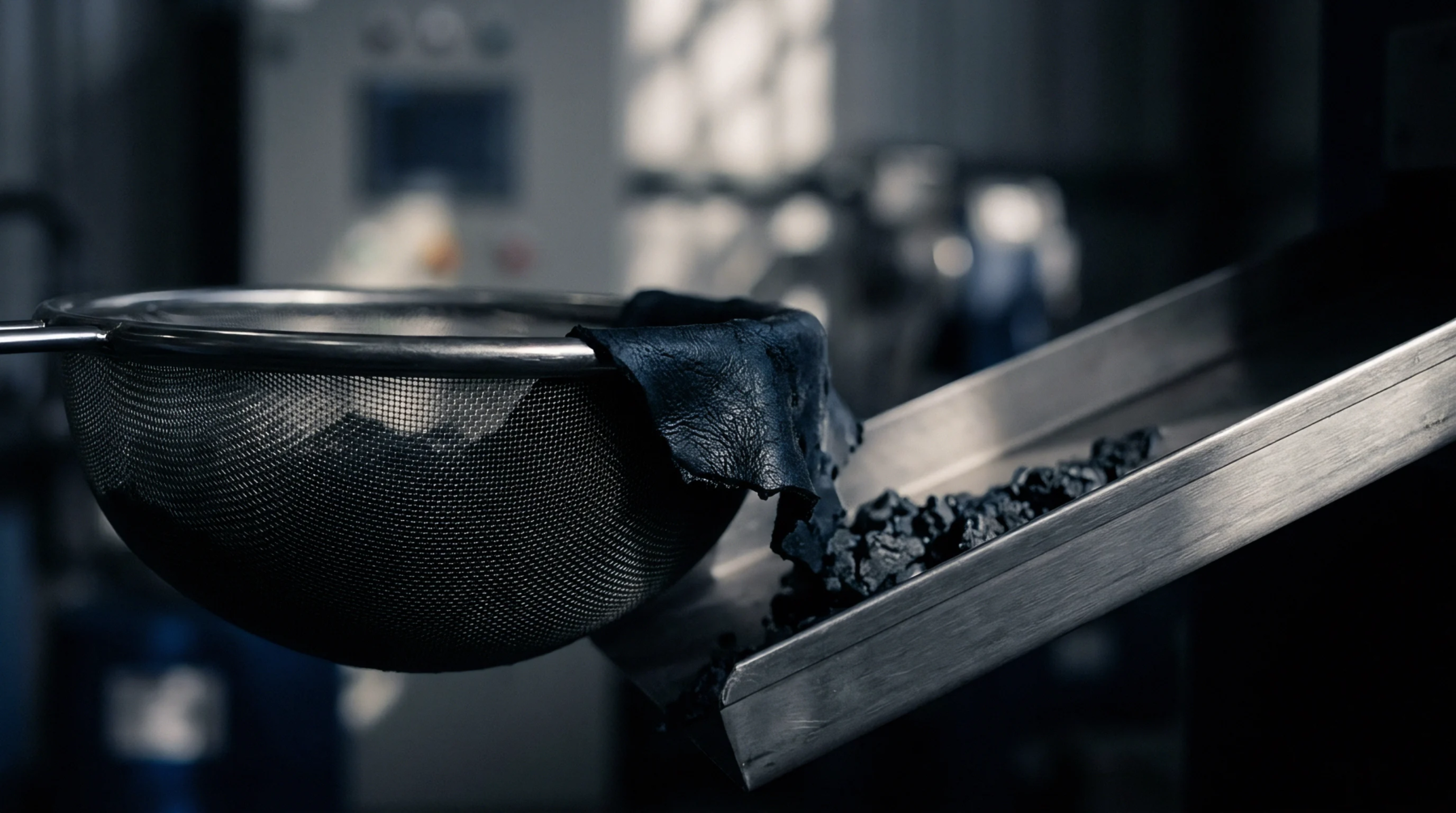
Low frequency storage modulus G prime below 0.1 rad/s isolates high molecular weight elastic recovery to predict bimodal pipe swell and prevent over-extrusion.

Calculating polyolefin landed arbitrage viability demands evaluating cracker co-product yield spreads against comonomer properties and freight tariffs.

House blending recycled resins causes melt viscosity drift and crosslinked gel contamination that disrupts mold filling and degrades part mechanical strength.

Dynamic shear lowers thermal degradation thresholds in recycled polyolefins, demanding intake screening of residual stabilizer levels and dynamic viscosity.
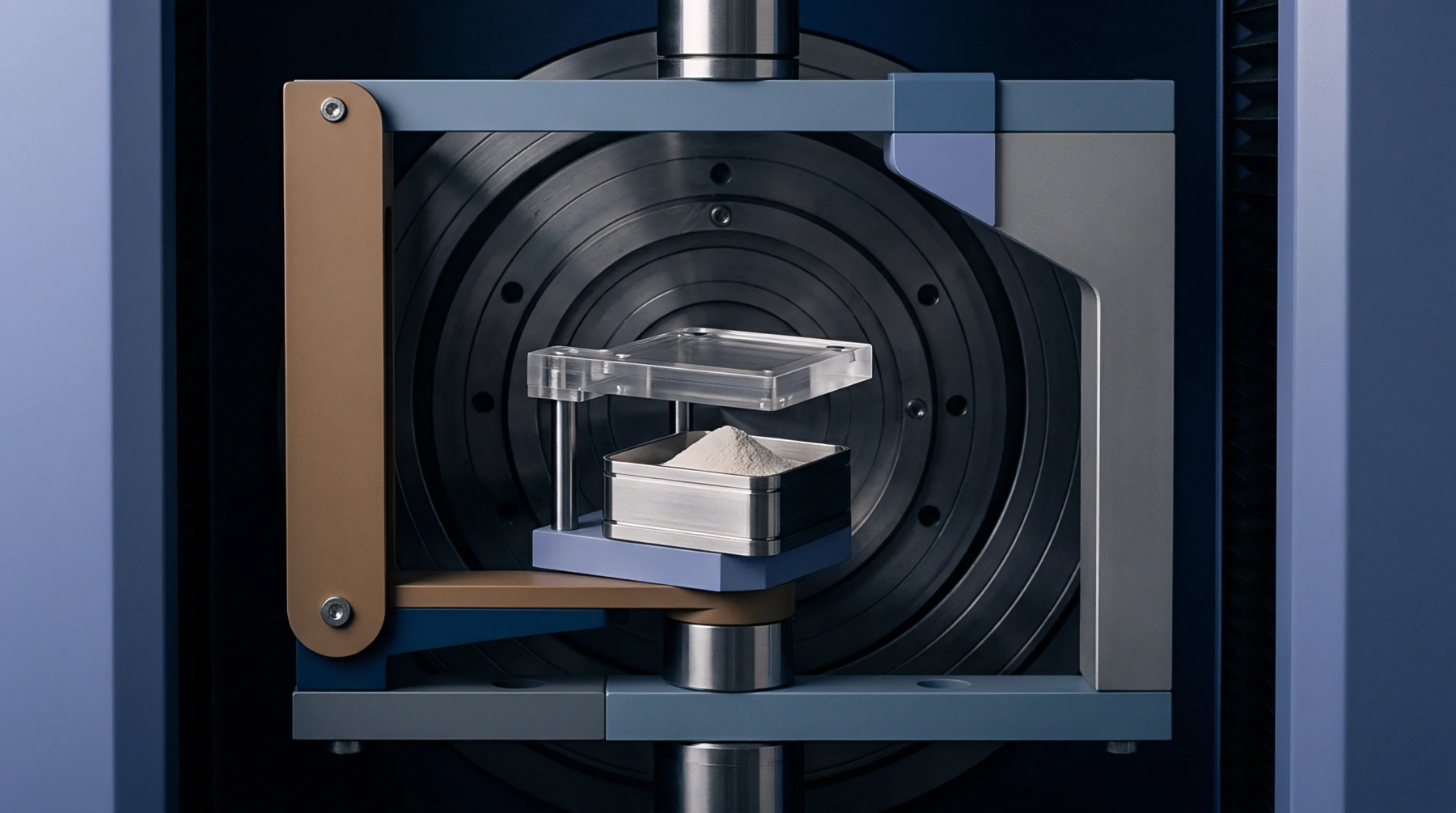
Calibrating high-shear capillary rheology via Bagley and Weissenberg-Rabinowitsch corrections prevents off-spec polyolefin lot processing failures.

Low-frequency storage modulus and creep recovery accurately quantify ultra-high molecular weight tails in bimodal resins, ensuring stress crack resistance.
Expertise is a utility, not a secret. sentiention™ publishes its working knowledge as open reference: intelligence layer covering the materials it sources, the markets it enters, and the reference that serves both.