
Recycled Polyolefin Non Target Screening Screening Limit Derivation Methods
Non-target screening limits derive from toxicological exposure caps adjusted for packaging contact geometry, simulant transfer, and detector response factor variance.
Non-target screening limits derive from toxicological exposure caps adjusted for packaging contact geometry, simulant transfer, and detector response factor variance.
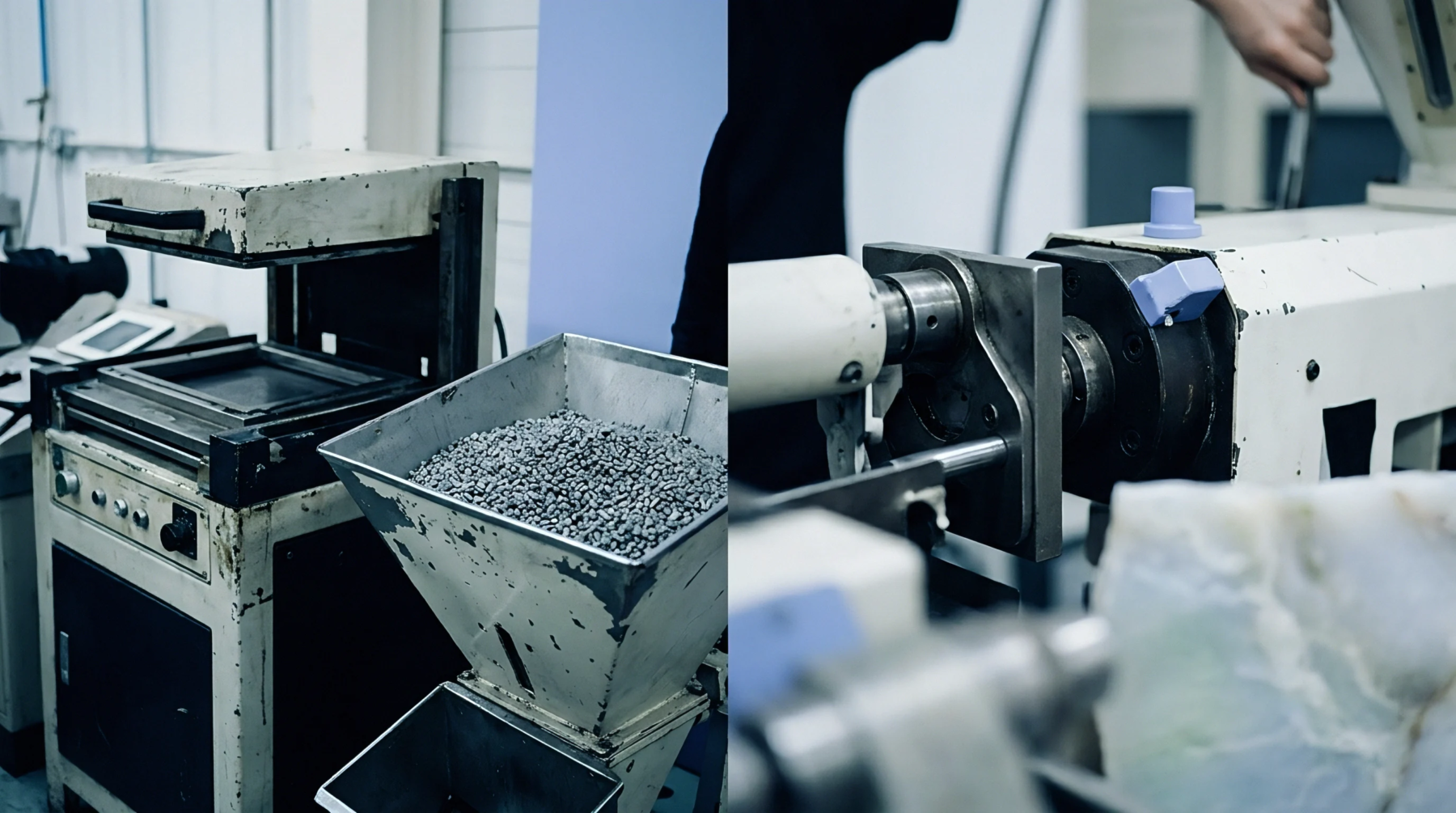
Certified mass balance allocation requires site-specific physical yield reconciliation, strict energy-stream deductions, and twelve-month credit expiry enforcement.

Verifying functional barrier integrity in recycled polymers requires surrogate challenge testing, Fickian transport modeling, and precise lag time calculation.

Quantifying NIAS in chemically recycled polyolefins requires high-resolution mass spectrometry screening against TTC thresholds and verified migration data per batch.

Validating GC-MS workflows for postconsumer polyolefin migrants requires matrix-matched calibration, accurate mass deconvolution, and response-factor adjusted screening.

Screening benzophenone in recycled polyolefin resins requires solvent extraction, GC-MS/MS quantification, and diffusion modeling to prove migration safety.

Decontaminated HDPE migration compliance relies on temperature-dependent Fickian diffusion models parameterized by matrix density and surrogate mass.

Validating post-consumer polyolefin decontamination requires LC-HRMS screening of non-volatile oligomers paired with high-molecular-weight surrogate challenge testing.

Analytical identification thresholds for polyolefin NIAS must be set to 10 ppb in simulants to prevent uncharacterized genotoxins from voiding food contact dossiers.

Recycled polymer traceability relies on strict mass balance boundaries, physical yield reconciliations, and verified custody transfers across conversion steps.

Non-targeted high-resolution mass spectrometry validates recycled polyolefin food contact compliance by identifying unknown migrants below ten ppb safety limits.

Non-Fickian swelling in post-consumer polyolefins accelerates NIAS release under fatty simulant contact, requiring substitute extraction verification.

HRMS decontamination audits require response factor bias corrections to prevent underestimating non-target migrants against food-contact safety thresholds.

High-resolution mass spectrometry screening paired with surrogate semi-quantification establishes food-contact compliance for post-consumer polyolefins.

Decontamination challenge tests establish fixed operational envelopes; process drift outside validated temperature and vacuum limits voids compliance.
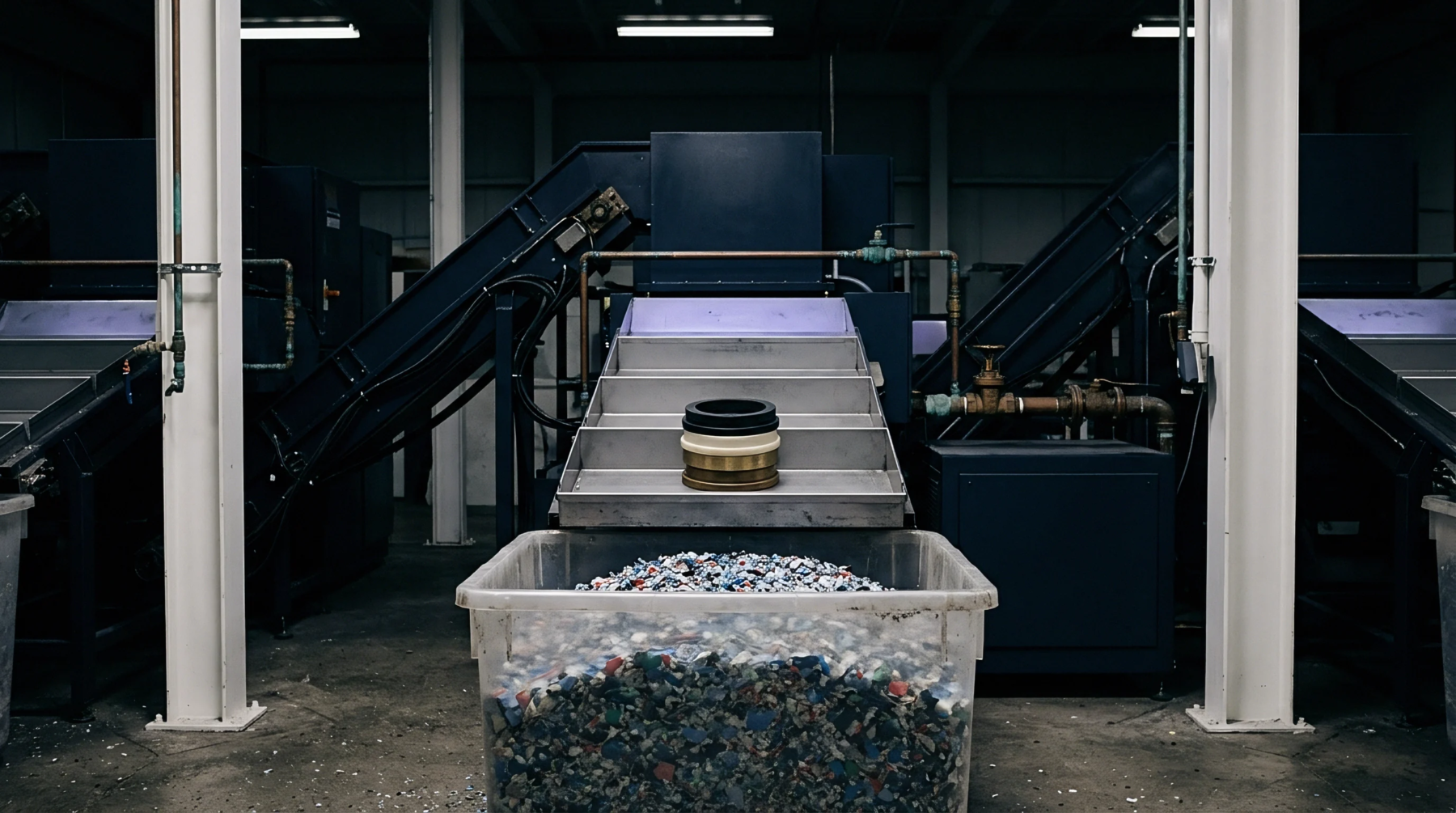
Post-consumer resin dossiers require dual GC-HRMS and LC-HRMS screening with response-factor modeling to establish NIAS toxicological thresholds below 10 ppb.

Chromatographic mass transfer characterization couples LC-GC-FID extraction with Fickian diffusion modeling to verify sub-1000 Dalton oligomers stay below 0.5 mg/kg.

In vitro gastrointestinal bioaccessibility bioassays measure micellar oligomer solubilization to establish true systemic intake limits for recycled polyolefin packaging.

High molecular weight unsaturated polyolefin oligomers between C20 and C50 require dual-dimensional gas chromatography to ensure migration remains below 0.6 mg/kg.

Clearing recycled polyolefins for food contact demands HPLC-GC-FID and GCxGC-MS identification of oligomeric fractions evaluated against TTC thresholds.

Polyolefin scrap contaminant baseline screening relies on rapid spectroscopic triage, solvent extraction, and GC-MS profiling to verify food contact safety.

Recycled plastic food contact compliance requires rigorous surrogate challenge testing, non-target NIAS screening, and lot-traced migration verification.

Untargeted screening by GC-MS and LC-HRMS combined with Threshold of Toxicological Concern metrics establishes legal food-contact safety for recycled polyolefins.

Quantitation of UV ink breakdown fragments in recycled films demands target GC-MS/LC-MS extraction paired with non-target screening for degradation products.
Post consumer resin compliance requires analytical screening of migrants paired with toxicological evaluation using threshold of toxicological concern models.

Non-targeted GC-QTOF and LC-Orbitrap screening workflows isolate and structurally identify unknown migrants in recycled plastics to ensure food contact regulatory compliance.

Dynamic transport thermal stress drives volatile non-intentionally added substance migration to polyolefin pellet surfaces, invalidating static 40°C compliance declarations at import borders.
Expertise is a utility, not a secret. sentiention™ publishes its working knowledge as open reference: intelligence layer covering the materials it sources, the markets it enters, and the reference that serves both.