
Standard Melt Flow Index Testing Deficiencies in Recovered Polyolefin Processing
Standard melt flow index testing fails recycled polyolefins due to low-shear limits, thermal breakdown, and unmeasured pseudoplastic behavior.
Standard melt flow index testing fails recycled polyolefins due to low-shear limits, thermal breakdown, and unmeasured pseudoplastic behavior.

Standard single-load melt index tests mischaracterize high molecular weight polyethylene by ignoring shear thinning, requiring multi-load flow ratio verification.

Dual load testing at 2.16 kg and 21.6 kg enforces molecular weight distribution limits, preventing off-spec bimodal resin from entering extrusion lines.

Polyethylene melt flow testing requires 190 °C with load selection matched to resin flow: 2.16 kg for standard grades and 21.6 kg for high-density resins.

Polyhydroxyalkanoate processing demands strict moisture control below 200 ppm and residence times under three minutes to prevent cis-elimination chain scission.

Multi-tier polyolefin silo homogenization induces viscoelastic drift via thermal compaction and micro-shear, altering melt elasticity and wall thickness.

Isolating metal-mediated degradation in recycled polyolefins requires microwave acid digestion with ICP-MS and chelation stabilization to stop chain scission.
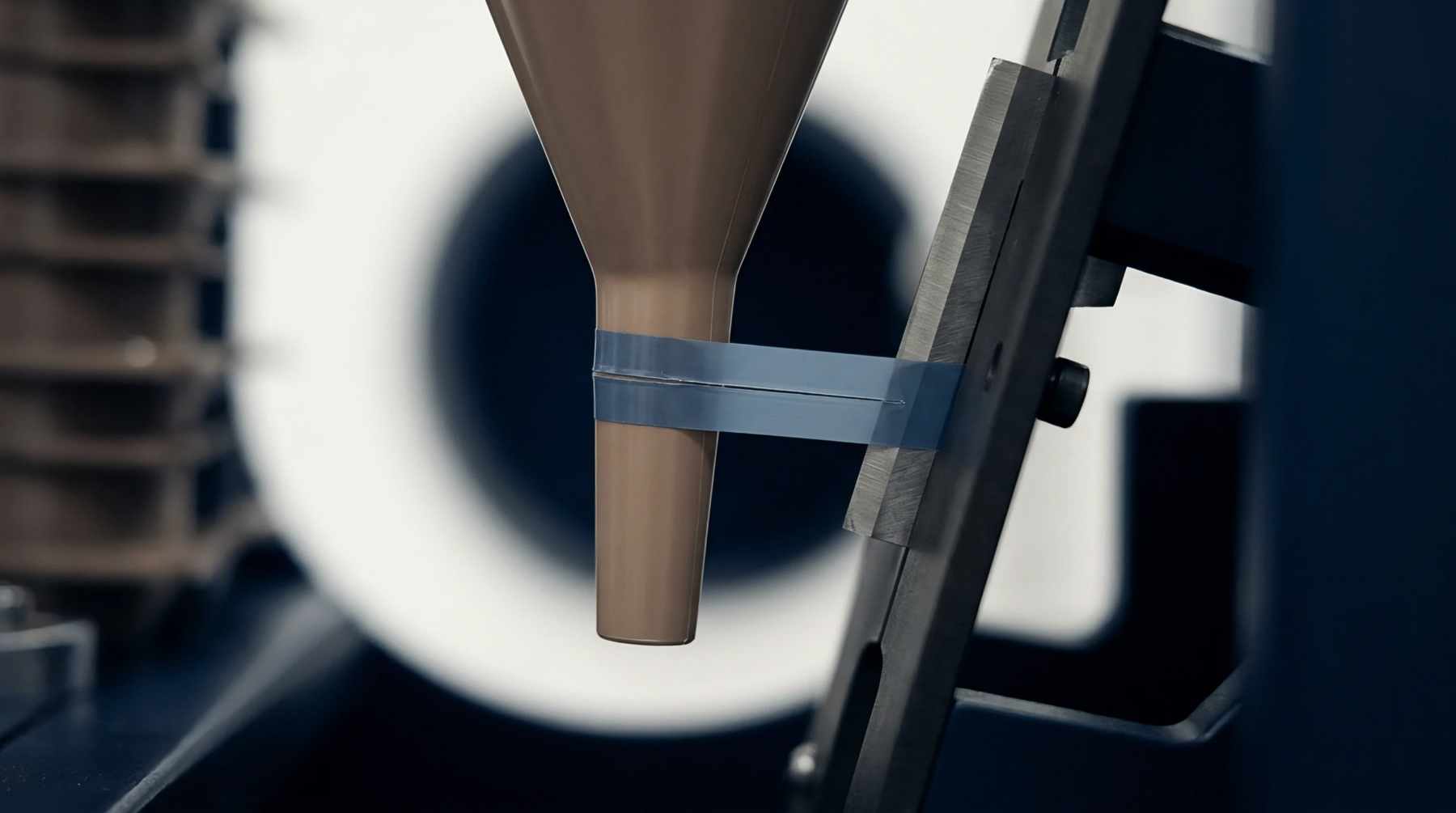
Polyolefin melt flow shifts reveal chain scission or crosslinking under repeated shear, requiring strict multi-point viscosity and antioxidant monitoring.
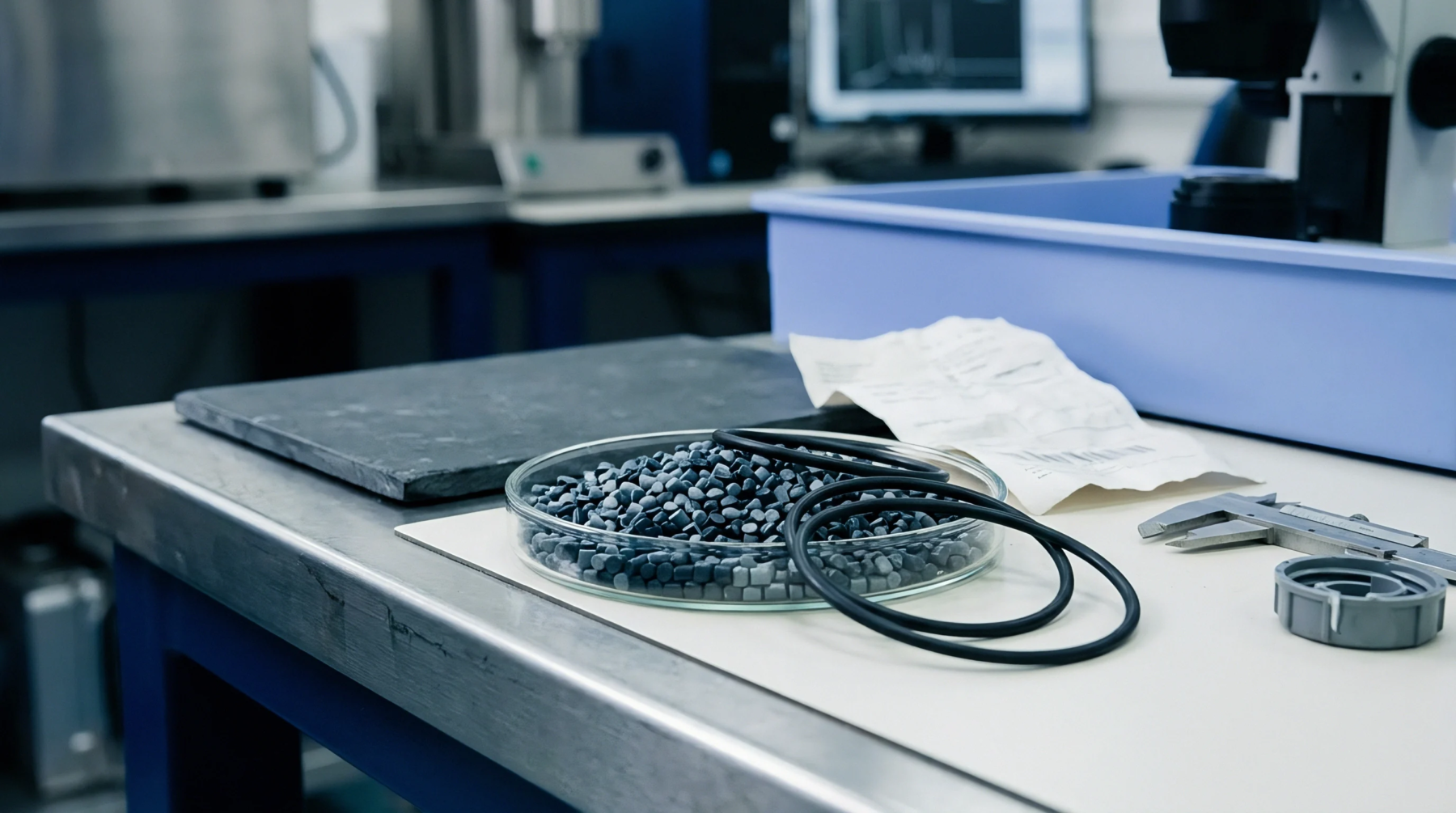
Phase inversion boundaries in recycled olefin fractions shift with shear rate, necessitating combined dynamic rheology and thermal analysis for domain sizing.

Decouple scission from thermal degradation by tracking high-frequency acoustic attenuation drop against broadband sound velocity dispersion across the melt stream.
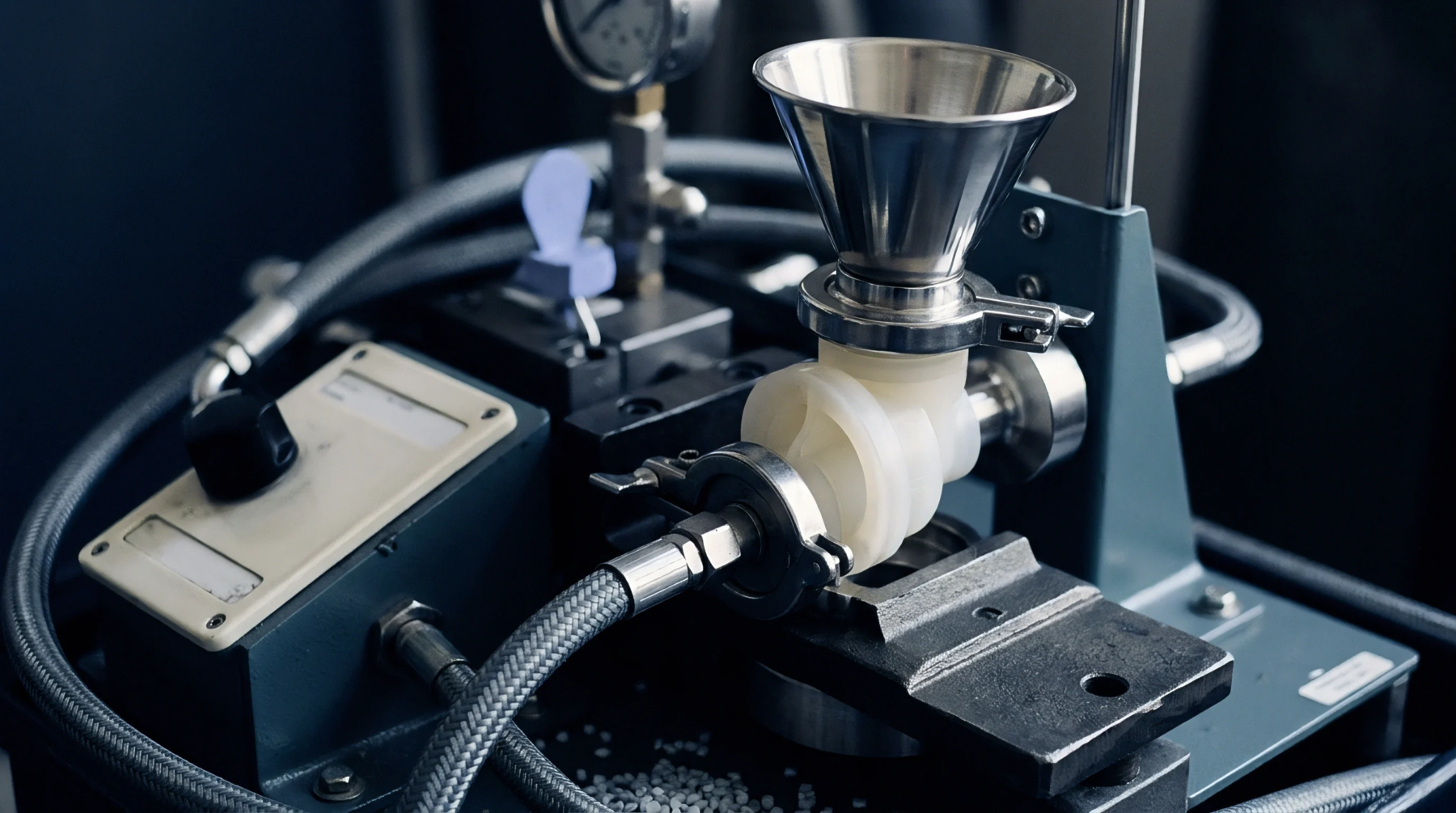
Melt flow rate thresholds for recycled polyolefin blends must be set using multi-load shear testing to bound contamination and prevent processing scrap.
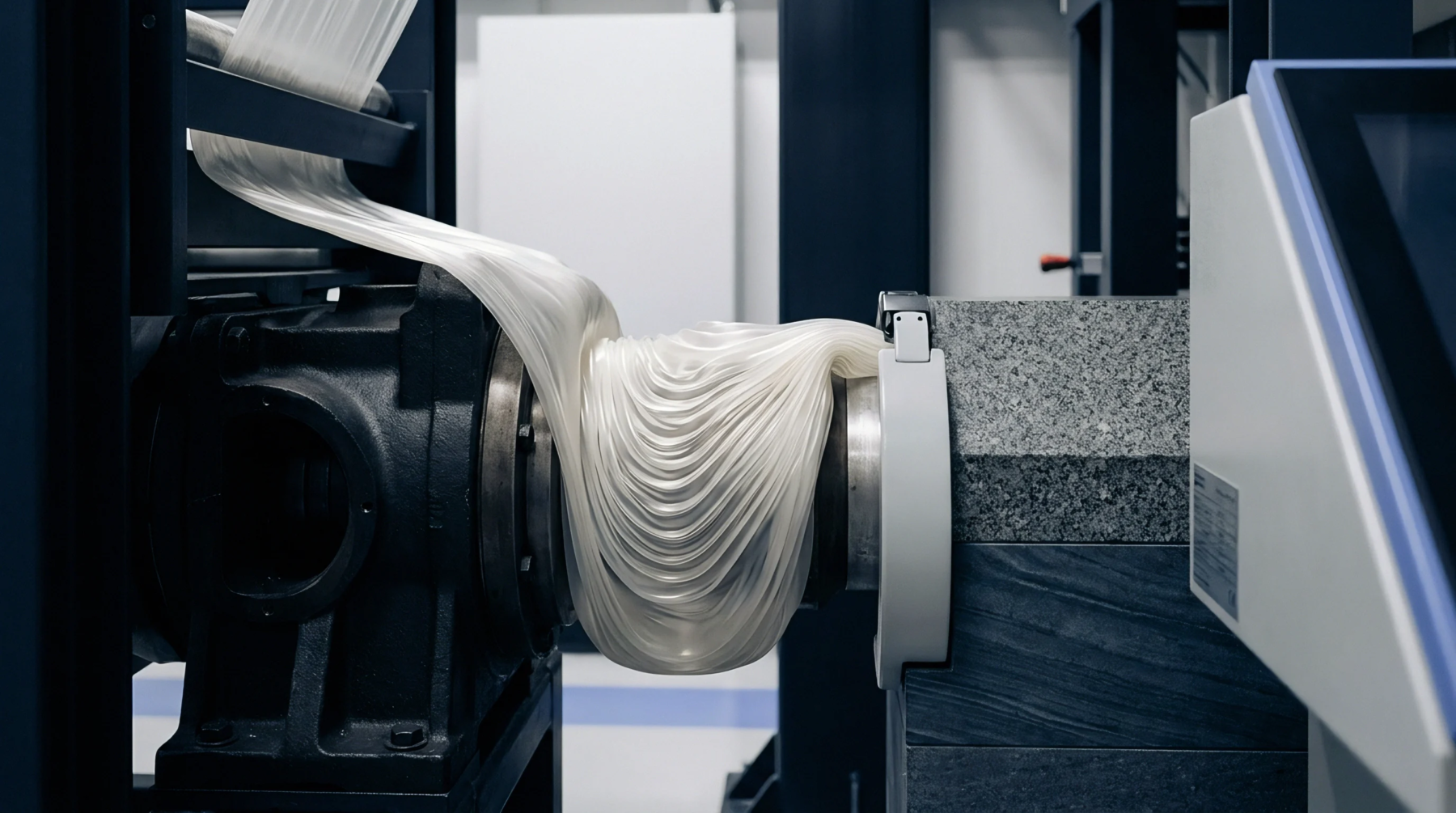
Single point melt flow index testing fails to predict recycled polypropylene processing behavior due to shear thinning and contaminant induced melt instability.

Thermal and oxidative degradation alters polyolefin flake viscosity and residual stability, demanding MFR, OIT, and Carbonyl Index verification before processing.

Capillary rheometry establishes binding high-shear viscosity limits that prevent multicavity tool imbalance and part weight variance in post-consumer resins.

High shear molding relies on pseudoplastic shear thinning, requiring capillary rheometry over melt flow index to control viscous heating and pressure losses.

Select high flow polypropylene homopolymers by balancing melt flow rate against impact loss, verifying narrow molecular weight distribution and peroxide residues.

Compressive jaw pressure forces secondary amides to co-crystallize with metallocene polyethylene, locking slip additives and elevating post-seal friction.

Interfacial viscous fingering during melt fractionation is controlled by tuning temperature gradients and limiting viscosity ratios across polymer phase boundaries.
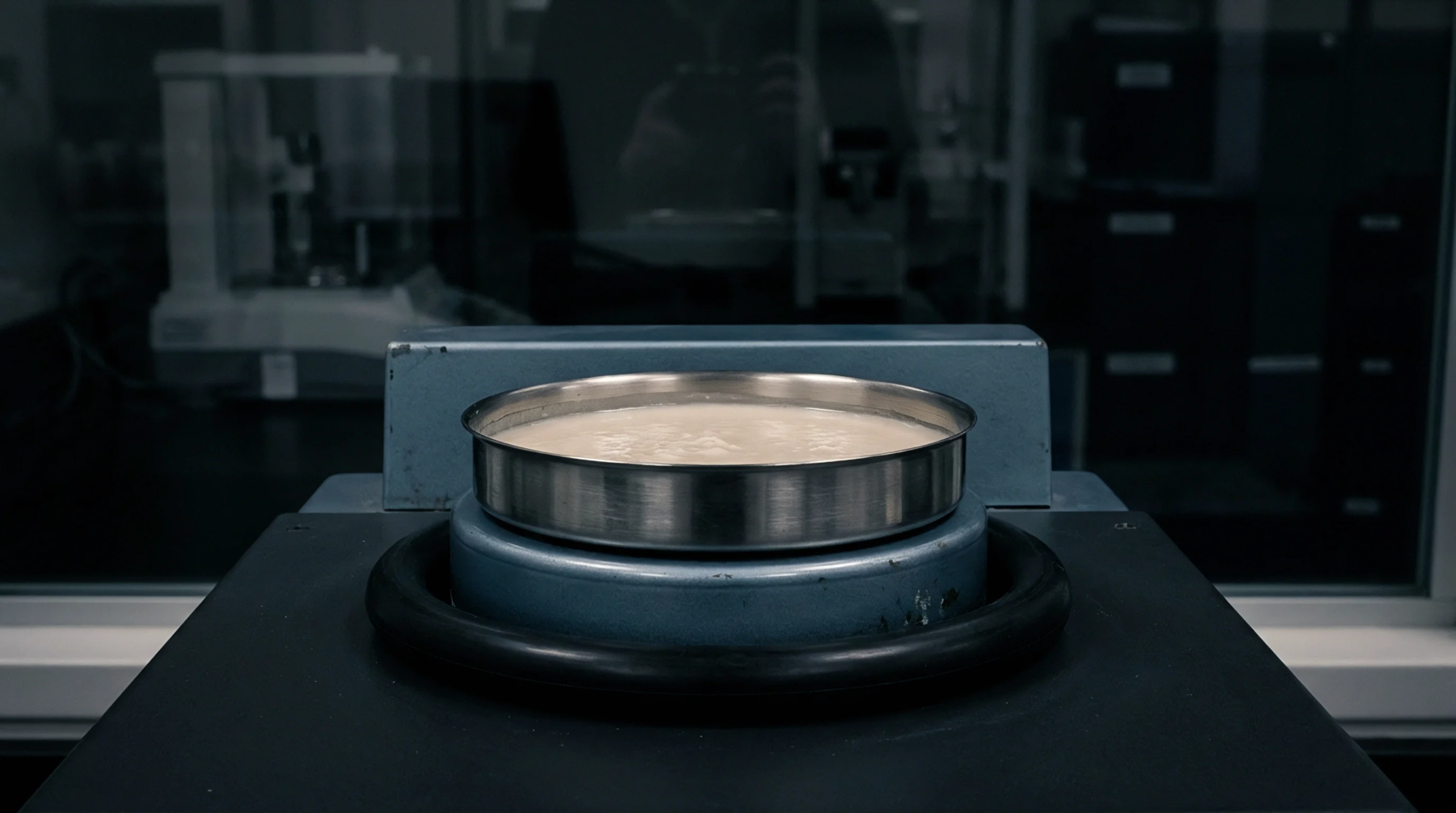
Low frequency oscillatory rheology unmask hydrolyzed resin fractions by measuring zero-shear viscosity drop and storage modulus slope collapse near zero frequency.
Thermal conditioning and standard thermal history resets eliminate density drift errors, securing accurate mold shrinkage during polyethylene resin converting.

Selecting polypropylene block copolymers for cold automotive parts depends on balancing ethylene-propylene rubber phase dispersion with matrix melt flow rate.

Polypropylene impact copolymers sacrifice flexural modulus to gain sub-zero toughness through dispersed ethylene-propylene rubber domains in an isotactic matrix.

Dual-reactor polyolefin non-linear viscoelasticity relies on pom-pom tube models to map long-chain branching distributions to melt strength and die swell.

Detecting subtle virgin polypropylene contamination requires dual-load melt flow indexing and extended thermal dwell testing to expose shear and stability shifts.
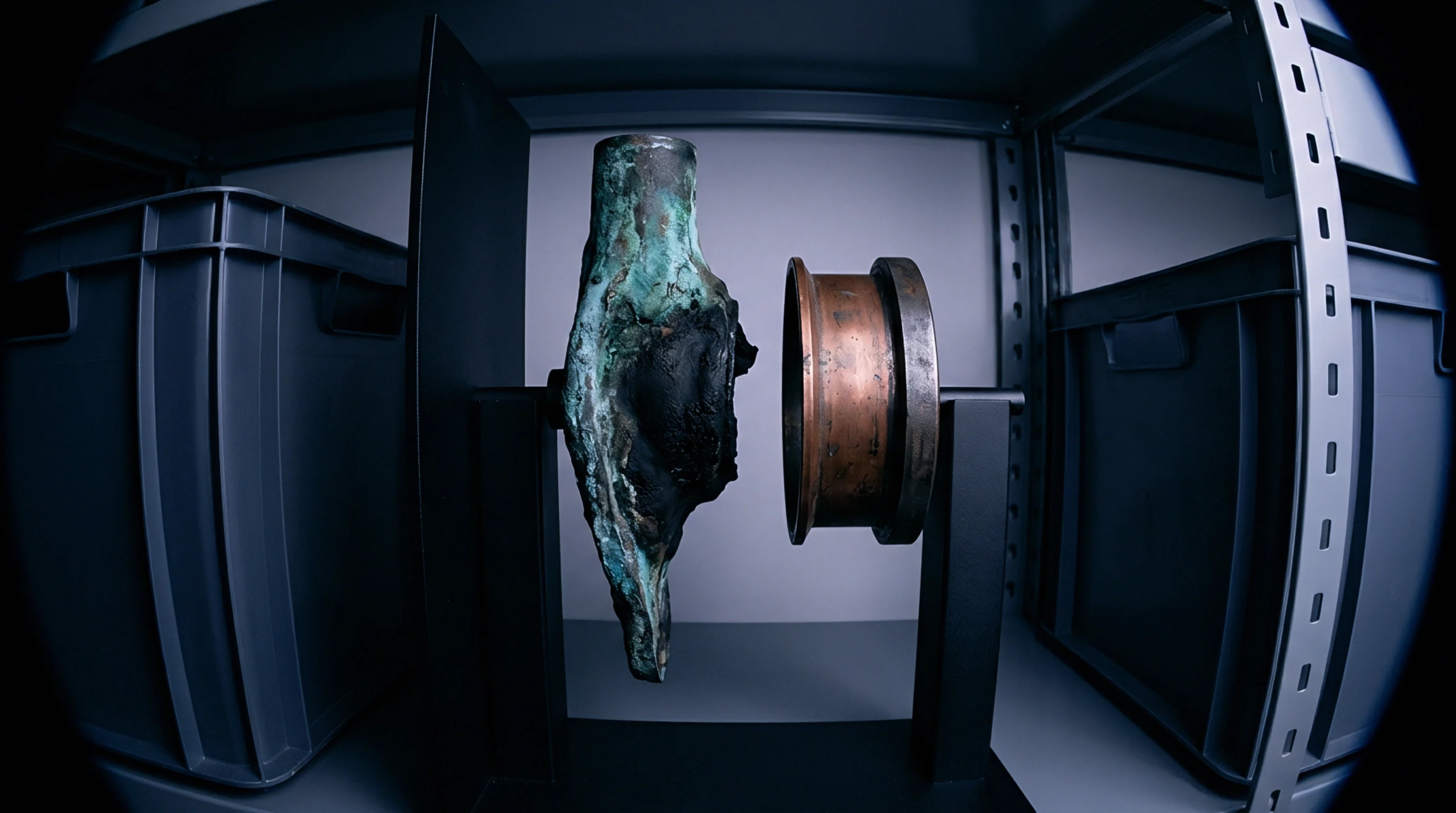
Melt viscosity loss in bio-polyesters stems from moisture hydrolysis and shear; maintaining under 200 ppm moisture and tight processing thermal windows prevents severe scrap penalties.
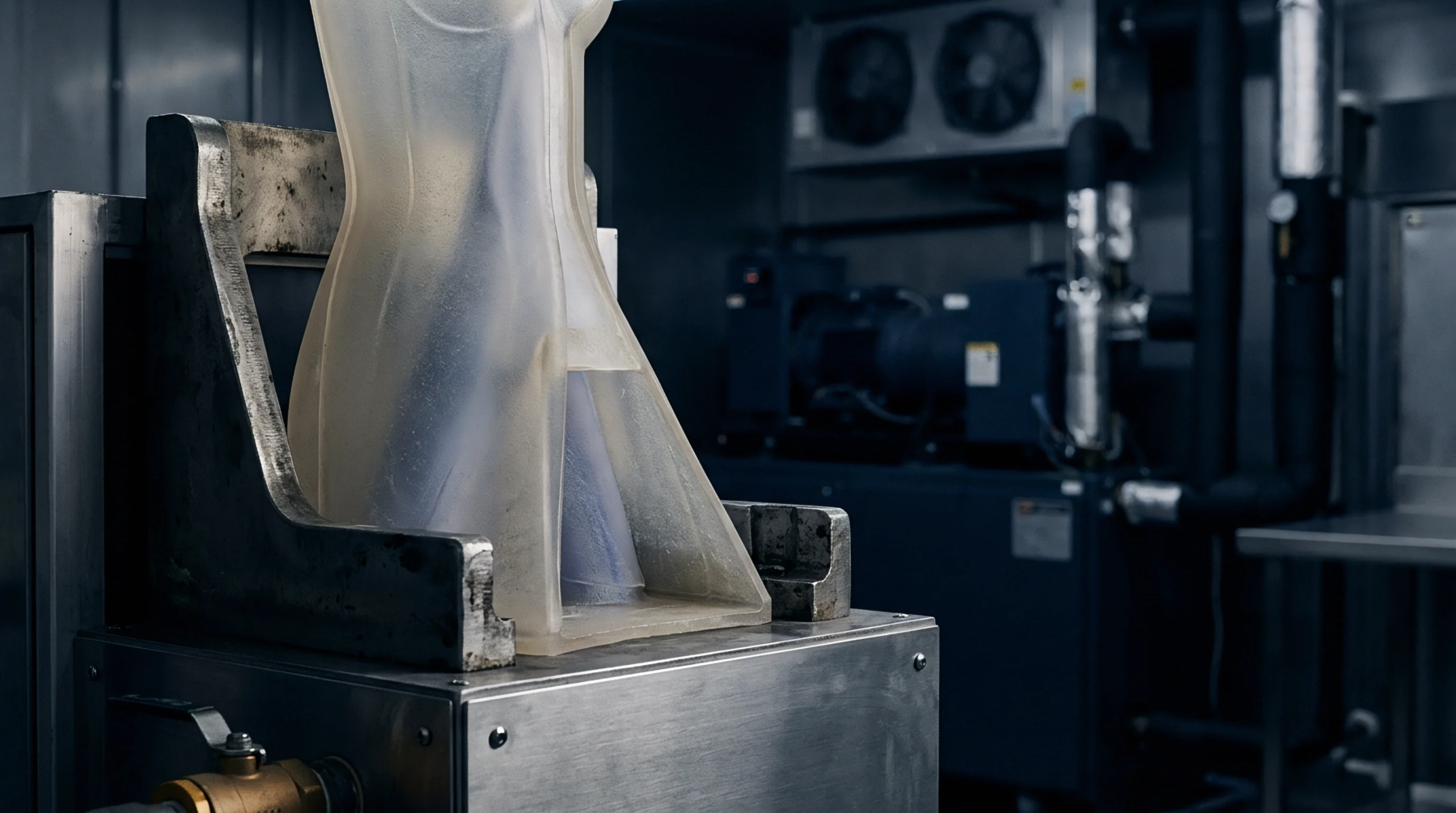
High temperature non-aqueous titration strips volatile carboxylic acids from hot PE melt into organic media to quantify corrosion risks and thermal stability.

Determining masterbatch letdown ratios for recycled polyethylene requires MFR matching, antioxidant depletion testing, and gravimetric dosing adjustments.
Expertise is a utility, not a secret. sentiention™ publishes its working knowledge as open reference: intelligence layer covering the materials it sources, the markets it enters, and the reference that serves both.